
Cannabis‑Induced Psychosis: What Loved Ones Need to Know
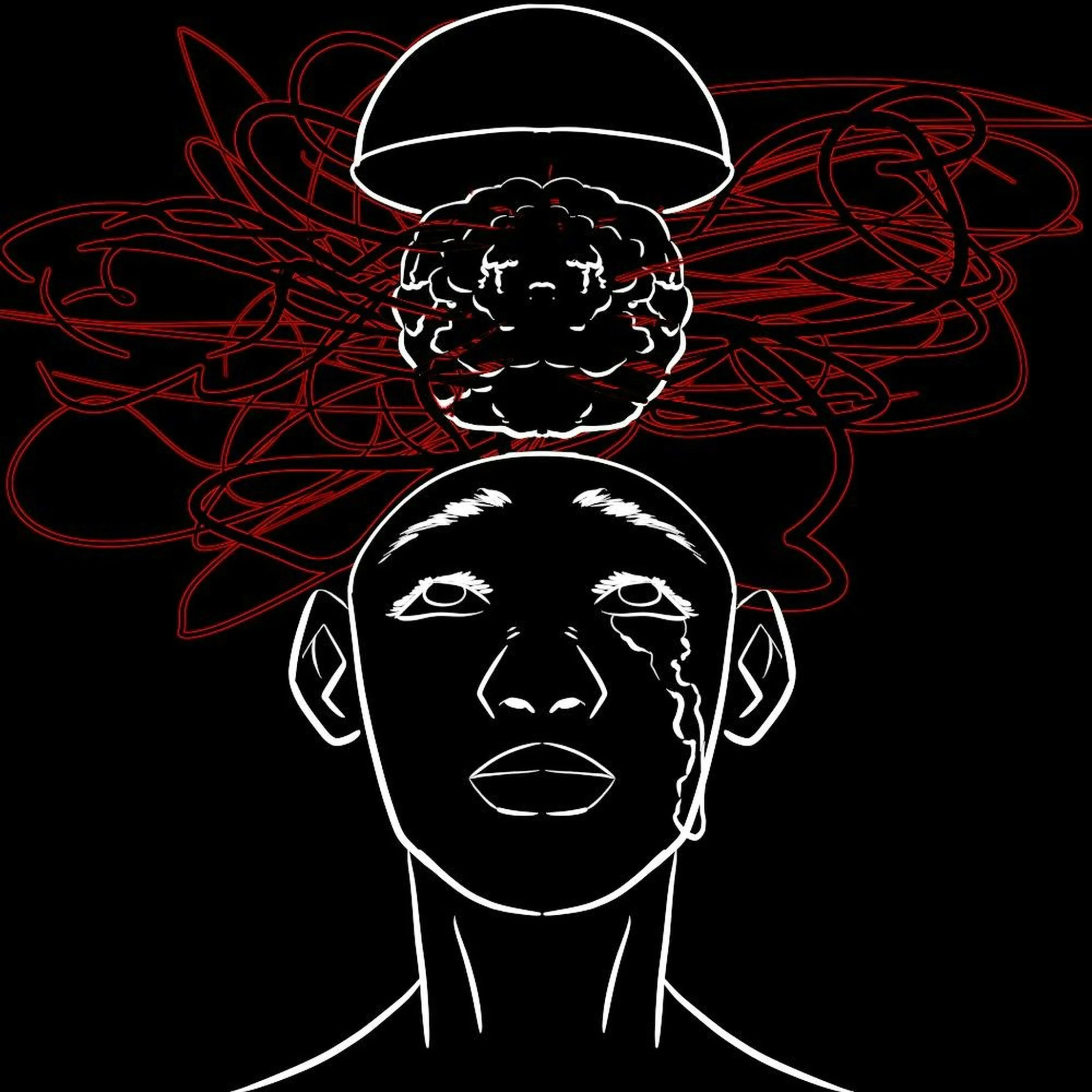
Cannabis is often marketed as harmless, natural, even therapeutic. But for a subset of people—especially those with genetic vulnerability, trauma histories, or heavy daily use—cannabis can trigger something far more serious: psychosis.
Cannabis‑induced psychosis (CIP) is real, destabilizing, and deeply frightening for both the person experiencing it and the people who love them. I see it in clinical practice far more often than most people realize.
This is a short, clear look at what CIP is, how it affects families, and what can be done to prevent and treat it.
What Is Cannabis‑Induced Psychosis?
Cannabis‑induced psychosis occurs when THC overwhelms the brain’s dopamine system, leading to symptoms such as:
Paranoia
Delusions
Hallucinations
Disorganized thinking
Extreme anxiety or agitation
Loss of touch with reality
For some people, this lasts hours.
For others, days or weeks.
And for a small percentage, it becomes the first episode of a lifelong psychotic disorder.
This isn’t about moral judgment. It’s about neurobiology. High‑potency cannabis today is not the same substance people used decades ago. Concentrates, vapes, and edibles can contain 10–30 times the THC levels of traditional flower.
The brain simply isn’t built for that level of stimulation.
The Impact on Loved Ones
When someone slips into cannabis‑induced psychosis, the people around them often experience:
1. Fear and Helplessness
Watching a loved one lose their grip on reality is terrifying. Families often describe feeling powerless, unsure whether to call emergency services, and afraid of making things worse.
2. Emotional Exhaustion
Psychosis can involve sleepless nights, unpredictable behaviour, and constant crisis management. Loved ones burn out quickly.
3. Relationship Strain
Trust erodes. Communication breaks down. Family members may feel blamed, shut out, or pushed away.
4. Guilt and Self‑Blame
Parents, partners, and friends often ask:
“Did I miss the signs”
“Could I have prevented this”
“Is this my fault”
It’s not. Psychosis is a medical event, not a parenting failure.
Consequences for the User
Cannabis‑induced psychosis can derail a person’s life in ways they never expected.
1. Cognitive Impairment
Memory, focus, and decision‑making can remain impaired long after the episode ends.
2. Increased Risk of Future Psychosis
Each episode raises the likelihood of another. For some, CIP becomes the doorway to chronic psychotic disorders.
3. Social and Occupational Damage
People may lose jobs, drop out of school, or withdraw from relationships.
4. Emotional Trauma
Psychosis is frightening from the inside. Many describe it as:
“Losing myself”
“Being trapped in my own mind”
“Feeling like I was dying”
These experiences can leave lasting emotional scars.
Why It Happens
Cannabis doesn’t cause psychosis in everyone. But it can trigger it in people who have:
A family history of psychosis
High stress or trauma
Heavy or daily cannabis use
Use of high‑potency THC products
Early age of first use (especially under 25)
The younger the brain, the higher the risk.
Solutions: What Actually Helps
1. Immediate Safety First
If someone is actively psychotic:
Reduce stimulation
Stay calm and grounded
Avoid arguing with delusions
Seek medical help if there is risk of harm
Psychosis is a medical emergency, not a behavioural issue.
2. Stop Cannabis Use Completely
For people who have experienced CIP, even small amounts of THC can trigger another episode.
Abstinence isn’t punishment—it’s protection.
3. Professional Treatment
A combination of:
Psychiatric care
Medication (short‑term or long‑term depending on severity)
Addiction counselling
Trauma‑informed therapy
Family support
This is not something people “snap out of.” They need structured care.
4. Education for Loved Ones
Families do better when they understand:
What psychosis is
What triggers it
How to communicate during episodes
How to set boundaries
How to support recovery without enabling
Knowledge reduces fear.
5. Long‑Term Recovery Plan
This may include:
Relapse prevention
Sleep stabilization
Stress management
Social support
Monitoring for early warning signs
Recovery is absolutely possible—but it requires consistency.
Final Thoughts
Cannabis‑induced psychosis is not rare, not harmless, and not something to ignore. But it is treatable, and people can recover fully with the right support.
If you love someone who is struggling, remember:
You didn’t cause this
You can’t cure it alone
You can be part of their healing
And if you’re the one who experienced psychosis, know this:
Your brain is not broken. It’s overwhelmed. With the right care, it can heal.