
Blog

When a Loved One Leaves Rehab: What Families Can Expect, What to Watch For, and How to Support Long‑Term Recovery
When someone you love completes a 30‑day or longer residential treatment program, it is natural to feel hopeful — even relieved. Rehab is a powerful intervention. It provides structure, safety, detox support, therapy, and distance from triggers. But as an addiction specialist, I remind families of a difficult truth:
Rehab is the beginning of recovery, not the completion of it.
The real work begins the moment your loved one walks out the door and re‑enters the world that fueled their addiction. Understanding what to expect — and how to support them — can make the difference between sustained recovery and relapse.
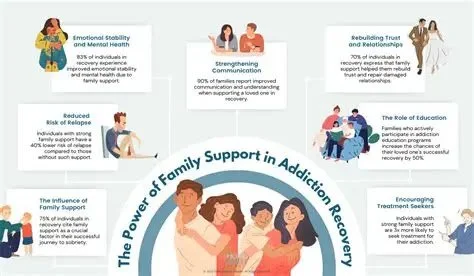
The Power of Family Support in Addition Recovery
Loved ones cope best when they shift from trying to control the addicted person to trying to care for themselves and influence recovery through healthy boundaries.

The Devastating Reality of Addiction in Young People — And Why There Is Still Hope
There is a particular kind of heartbreak that comes when someone under the age of 21 is struggling with addiction. At an age when life is supposed to be opening up — full of possibility, curiosity, and discovery — addiction can close the world in around them. It can steal their confidence, their joy, their sense of identity, and their belief in the future.
Why Group Therapy Matters After Cannabis‑Induced Psychosis
Cannabis‑induced psychosis (CIP) is not just a “bad high.” It is a serious medical event linked to elevated risk of future psychotic episodes and even long‑term schizophrenia‑spectrum disorders. In Ontario, people who experience CIP have a 241‑fold higher risk of developing a schizophrenia‑spectrum disorder within three years compared to the general population. cmaj.ca
Because of this elevated risk, ongoing support is essential, and group therapy—when facilitated by an addiction specialist—offers several unique benefits that individual therapy alone cannot provide.
When Loved Ones Start Seeking Help First: Why Consequences — Not Enabling — Motivate Change
One of the most common patterns I see in addiction treatment is this:
Loved ones reach out for help long before the person struggling with addiction does.
This is not a failure.
It is not a sign that the person “doesn’t care.”
It is simply how addiction works.
Addiction is a disease that distorts insight, minimizes consequences, and convinces the person that they are still in control. Families, on the other hand, feel the impact clearly and painfully. They see the decline, the chaos, the emotional changes, and the risks long before the person with the addiction is ready to acknowledge them.
This is why families often become the first point of contact in the recovery process — and why their role is absolutely essential.
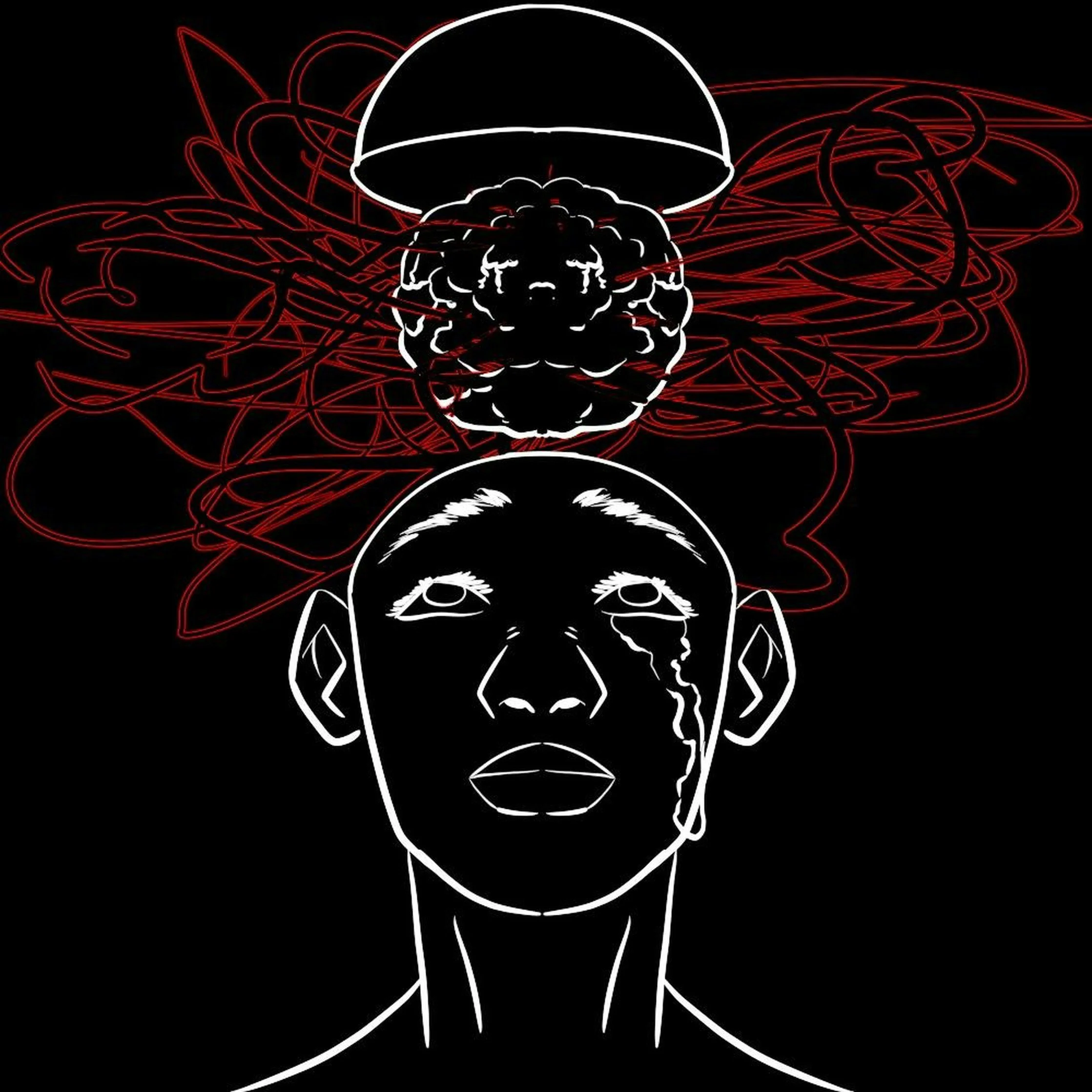
Cannabis‑Induced Psychosis: What Loved Ones Need to Know
Cannabis is often marketed as harmless, natural, even therapeutic. But for a subset of people—especially those with genetic vulnerability, trauma histories, or heavy daily use—cannabis can trigger something far more serious: psychosis.
Cannabis‑induced psychosis (CIP) is real, destabilizing, and deeply frightening for both the person experiencing it and the people who love them. I see it in clinical practice far more often than most people realize.
This is a short, clear look at what CIP is, how it affects families, and what can be done to prevent and treat it.

When Both Partners Are Addicted but Only One Wants to Stop: A Guide to Love, Change, and Hard Choices
When two people are in a relationship and both are struggling with addiction, the bond can feel intense — almost like a shared world that no one else understands. There’s comfort in the familiarity, in the rituals, in the sense of “us against the world.” But when one partner reaches a point where they want to stop using, everything shifts.