
Blog

When a Loved One Leaves Rehab: What Families Can Expect, What to Watch For, and How to Support Long‑Term Recovery
When someone you love completes a 30‑day or longer residential treatment program, it is natural to feel hopeful — even relieved. Rehab is a powerful intervention. It provides structure, safety, detox support, therapy, and distance from triggers. But as an addiction specialist, I remind families of a difficult truth:
Rehab is the beginning of recovery, not the completion of it.
The real work begins the moment your loved one walks out the door and re‑enters the world that fueled their addiction. Understanding what to expect — and how to support them — can make the difference between sustained recovery and relapse.
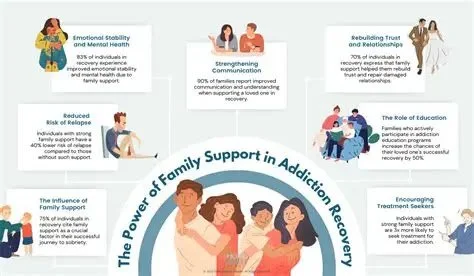
The Power of Family Support in Addition Recovery
Loved ones cope best when they shift from trying to control the addicted person to trying to care for themselves and influence recovery through healthy boundaries.

The Devastating Reality of Addiction in Young People — And Why There Is Still Hope
There is a particular kind of heartbreak that comes when someone under the age of 21 is struggling with addiction. At an age when life is supposed to be opening up — full of possibility, curiosity, and discovery — addiction can close the world in around them. It can steal their confidence, their joy, their sense of identity, and their belief in the future.
When Loved Ones Start Seeking Help First: Why Consequences — Not Enabling — Motivate Change
One of the most common patterns I see in addiction treatment is this:
Loved ones reach out for help long before the person struggling with addiction does.
This is not a failure.
It is not a sign that the person “doesn’t care.”
It is simply how addiction works.
Addiction is a disease that distorts insight, minimizes consequences, and convinces the person that they are still in control. Families, on the other hand, feel the impact clearly and painfully. They see the decline, the chaos, the emotional changes, and the risks long before the person with the addiction is ready to acknowledge them.
This is why families often become the first point of contact in the recovery process — and why their role is absolutely essential.
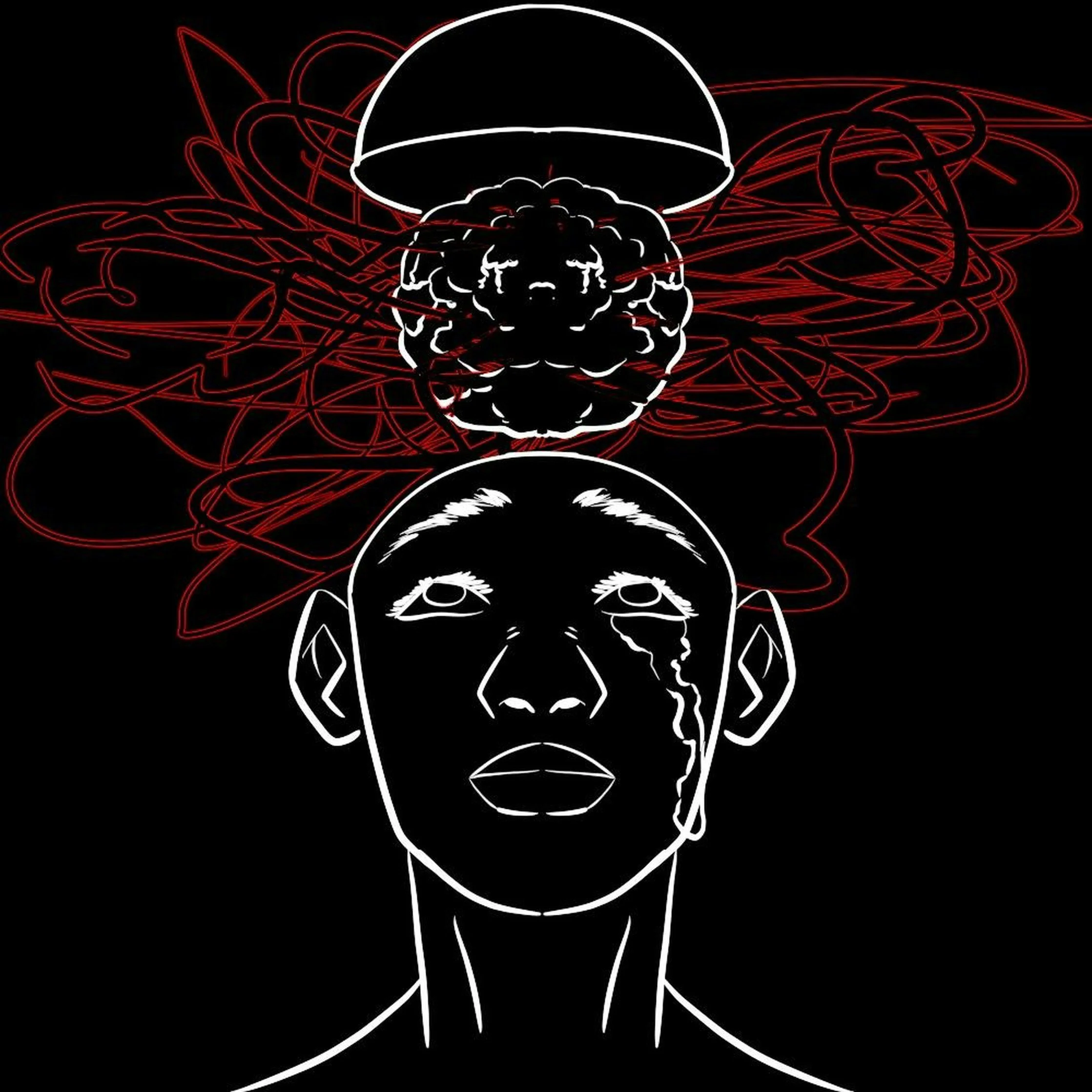
Cannabis‑Induced Psychosis: What Loved Ones Need to Know
Cannabis is often marketed as harmless, natural, even therapeutic. But for a subset of people—especially those with genetic vulnerability, trauma histories, or heavy daily use—cannabis can trigger something far more serious: psychosis.
Cannabis‑induced psychosis (CIP) is real, destabilizing, and deeply frightening for both the person experiencing it and the people who love them. I see it in clinical practice far more often than most people realize.
This is a short, clear look at what CIP is, how it affects families, and what can be done to prevent and treat it.

Resentment, Fear, and Relationship Struggles in Recovery: Why Making Amends Matters
As an addiction specialist, I’ve learned that sobriety isn’t just about removing substances — it’s about healing the emotional landscape that addiction once ruled. Three themes show up again and again in early and long‑term recovery: resentment, fear, and relationship conflict. These aren’t signs of failure. They’re signs of being human.
But left unaddressed, they can quietly pull someone back toward old patterns. When we shine a light on them — and take responsibility for our part — recovery becomes sturdier, more peaceful, and far more sustainable.
Below are some of the most common examples I see in practice, and why making amends is such a powerful part of staying on the path.

When Both Partners Are Addicted but Only One Wants to Stop: A Guide to Love, Change, and Hard Choices
When two people are in a relationship and both are struggling with addiction, the bond can feel intense — almost like a shared world that no one else understands. There’s comfort in the familiarity, in the rituals, in the sense of “us against the world.” But when one partner reaches a point where they want to stop using, everything shifts.

Why Support From Loved Ones Is Essential in Addiction Recovery
When someone enters treatment for addiction, it’s easy to assume the professionals will take it from there. But from the perspective of an addiction specialist, recovery is not something that happens in isolation. Treatment provides structure, tools, and guidance — but the presence, support, and steady encouragement of loved ones often determines whether those tools take root.

Why Counseling Is a Cornerstone of Addiction Recovery — For Individuals and Their Loved Ones
As an addiction specialist, I’ve seen countless people walk through the doors of recovery carrying not just a substance or behavior problem, but a story — often one filled with pain, confusion, shame, and hope. Recovery is never just about stopping the substance or behavior. It’s about rebuilding a life, repairing relationships, and rediscovering a sense of self.
That’s why counseling isn’t an “extra” in recovery. It’s one of the pillars that holds the entire process together.

Addiction Exists on a Spectrum: Understanding Mild, Moderate, and Severe Addiction
One of the most important truths I try to help people understand is this: addiction is not an on/off switch. It isn’t something you “have” or “don’t have.” Instead, addiction exists on a spectrum, ranging from mild to moderate to severe.
This spectrum reflects how deeply a substance or behaviour has taken hold in someone’s life—and it helps guide what kind of support will be most effective.
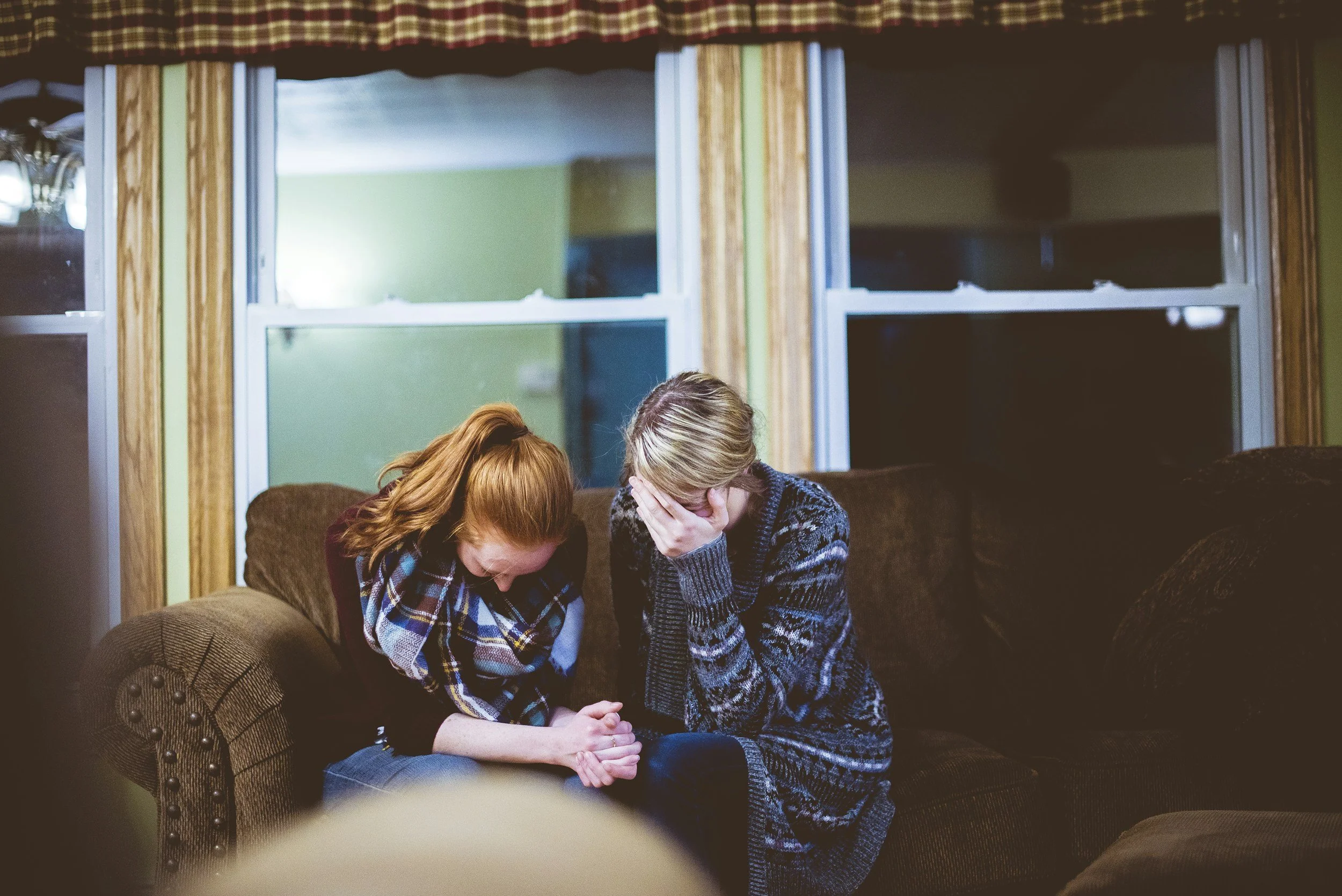
Why Loved Ones Must Follow Through With Consequences When Addiction Takes Hold
Families don’t like hearing that. It feels harsh, unloving, or confrontational. But in practice, consequences are often the only force strong enough to interrupt the momentum of addiction. Without them, the illness progresses quietly, predictably, and relentlessly.
Rewiring the Reward Center: How the Brain Heals in Early Sobriety
Early sobriety is often described as a fog lifting, a slow return to clarity, or a reawakening of the self. But beneath those emotional shifts lies something even more profound: the brain’s reward system is beginning to reset itself.Understanding this process can help you stay grounded, patient, and hopeful as you move through the early stages of recovery.

Are We Treating Addiction — or Just Medicating It?
In the addiction field, we talk a lot about “root causes.” Trauma. Stress. Disconnection. Emotional pain. Genetics. Environment. Learned coping patterns. These are the forces that shape a person’s relationship with substances long before the first drink, pill, or hit ever becomes a problem.
Yet in the broader healthcare system, addiction is often approached through a very different lens — one shaped heavily by the pharmaceutical industry. Medications can play a valuable role in stabilizing people, reducing harm, and supporting recovery. But when medication becomes the primary or only intervention, something essential gets lost.
From where I sit as an addiction specialist, the issue isn’t that pharma is “evil” or intentionally blocking recovery. It’s that the system is built to prioritize symptom management over root‑cause healing, and pharmaceutical solutions fit neatly into that model.
Let’s unpack what that means.
Polysubstance Use and the Path to Fentanyl Addiction: Understanding the Risks and the Road to Recovery
By: An Addiction Specialist
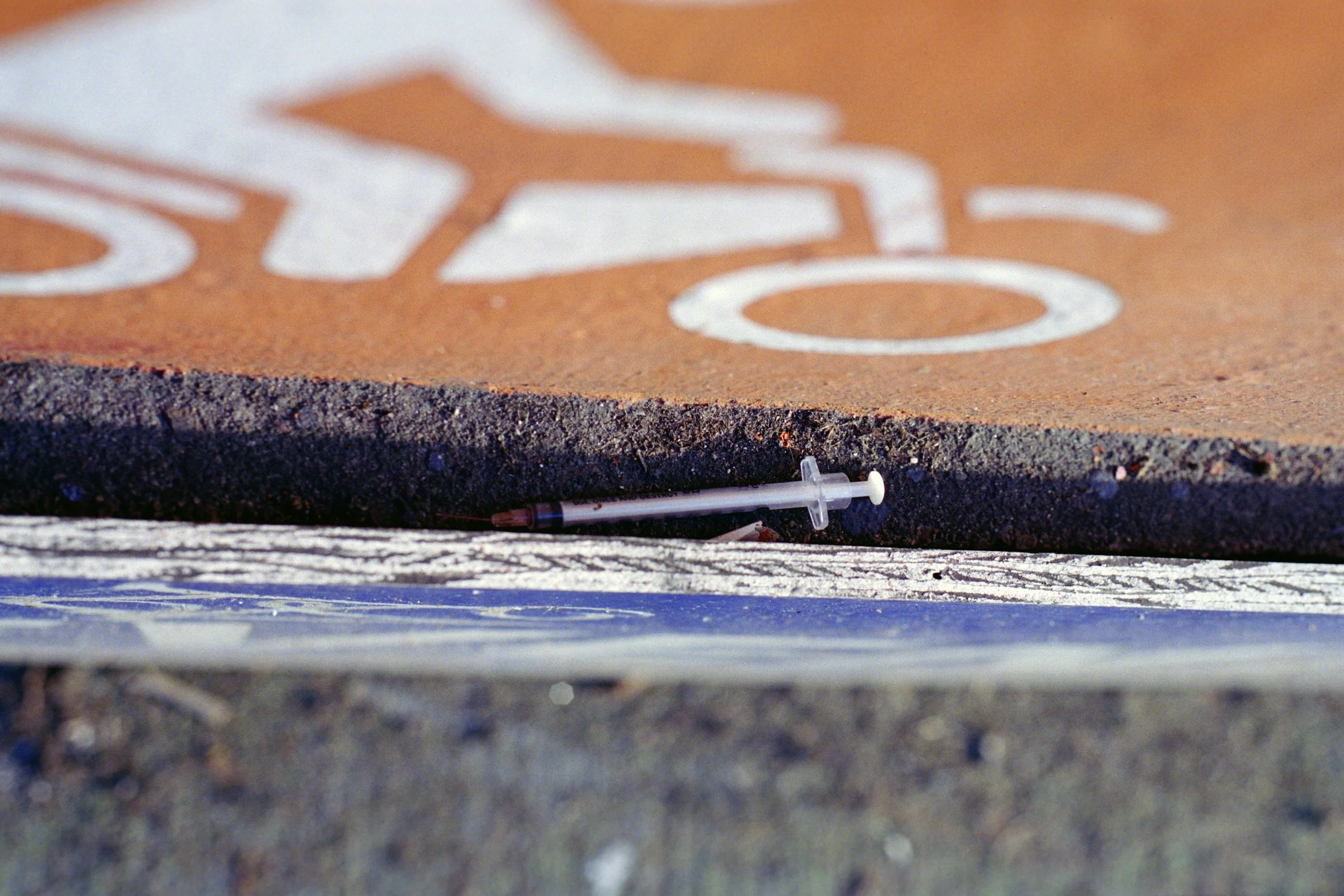
Polysubstance use—mixing or alternating between multiple substances—is one of the most dangerous patterns I see in addiction work. Many people don’t start with fentanyl. They begin with alcohol, cannabis, cocaine, benzodiazepines, or prescription opioids. Over time, tolerance grows, the brain adapts, and the search for a stronger or more reliable high begins.
This is often where fentanyl enters the picture—sometimes intentionally, sometimes without the person even knowing. And once fentanyl becomes part of the cycle, the risks escalate dramatically.

When Someone You Love Is Struggling: How Loved Ones Can Seek Help for Addiction
A perspective from an addiction specialist
When a partner, child, sibling, or close friend is battling addiction—whether it’s substances like alcohol or drugs, or behavioural addictions like gambling, pornography, or compulsive spending—the emotional weight can be overwhelming. Loved ones often carry fear, confusion, guilt, and exhaustion, all while trying to “hold everything together.”
As an addiction specialist, I want to say this clearly: you deserve support too. Addiction affects the entire family system, and healing requires care for everyone involved—not just the person using.

Supporting a Loved One with Addiction: Guidance, Solutions, and Hope
When someone you care about is struggling with Substance Use Disorder (SUD) or a behavioral addiction (such as gambling, pornography, or compulsive eating), it can feel overwhelming. You may experience fear, frustration, or helplessness. Addiction is not simply a matter of willpower—it is a complex condition involving brain chemistry, emotional regulation, and environmental triggers.
The good news: help is available, and recovery is possible with the right support.