
Blog

Getting and Staying Sober as a Teenager: The Courage to Choose Your Future
Getting sober as a teenager is one of the bravest decisions a young person can make. It goes against the pressure to fit in, the pull of curiosity, and the belief that “everyone else is doing it.” It requires maturity long before most people ever have to think about their relationship with substances.
Sobriety at a young age is not a punishment. It’s a superpower.
It’s a chance to build a life with clarity, strength, and purpose—before addiction has the chance to take anything from you.
But it’s also not easy. And that’s the truth.

When Loved Ones Start Seeking Help First: Why Consequences — Not Enabling — Motivate Change
One of the most common patterns I see in addiction treatment is this:
Loved ones reach out for help long before the person struggling with addiction does.
This is not a failure.
It is not a sign that the person “doesn’t care.”
It is simply how addiction works.
Addiction is a disease that distorts insight, minimizes consequences, and convinces the person that they are still in control. Families, on the other hand, feel the impact clearly and painfully. They see the decline, the chaos, the emotional changes, and the risks long before the person with the addiction is ready to acknowledge them.
This is why families often become the first point of contact in the recovery process — and why their role is absolutely essential.
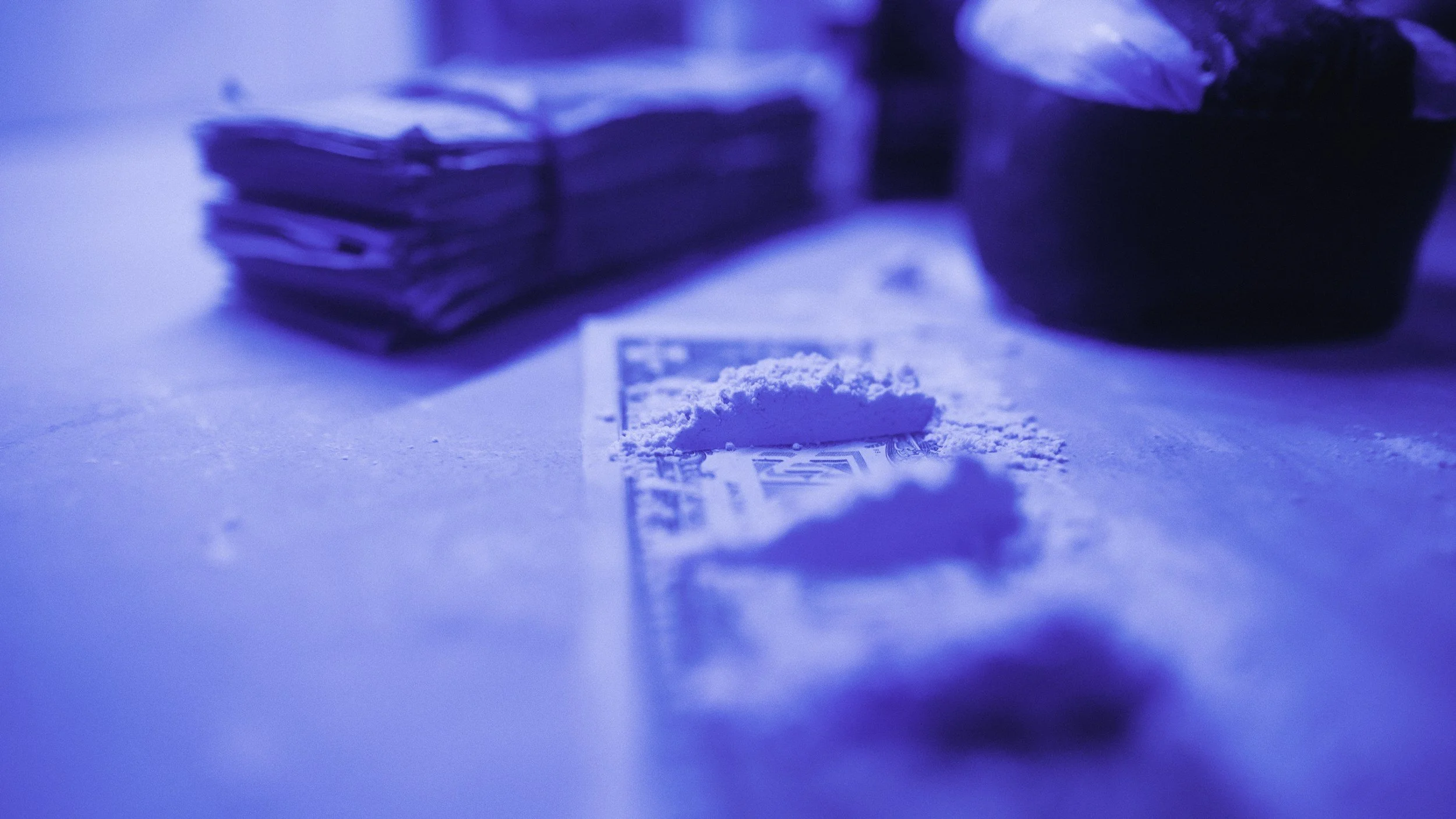
Why People Try Cocaine, Why It Hooks So Fast, and How Lasting Abstinence Is Possible
Cocaine is one of the most paradoxical substances people encounter: it offers instant euphoria, yet carries the potential for rapid psychological dependence. Many people wonder why anyone would try a drug with such obvious risks. The truth is more complex — and more human — than it may seem.
Below is a deeper look at why people try cocaine, what makes it uniquely addictive, and how someone can build a path toward lifelong abstinence.

Cannabis‑Induced Psychosis: What Loved Ones Need to Know
Cannabis is often marketed as harmless, natural, even therapeutic. But for a subset of people—especially those with genetic vulnerability, trauma histories, or heavy daily use—cannabis can trigger something far more serious: psychosis.
Cannabis‑induced psychosis (CIP) is real, destabilizing, and deeply frightening for both the person experiencing it and the people who love them. I see it in clinical practice far more often than most people realize.
This is a short, clear look at what CIP is, how it affects families, and what can be done to prevent and treat it.

Resentment, Fear, and Relationship Struggles in Recovery: Why Making Amends Matters
As an addiction specialist, I’ve learned that sobriety isn’t just about removing substances — it’s about healing the emotional landscape that addiction once ruled. Three themes show up again and again in early and long‑term recovery: resentment, fear, and relationship conflict. These aren’t signs of failure. They’re signs of being human.
But left unaddressed, they can quietly pull someone back toward old patterns. When we shine a light on them — and take responsibility for our part — recovery becomes sturdier, more peaceful, and far more sustainable.
Below are some of the most common examples I see in practice, and why making amends is such a powerful part of staying on the path.