
Blog
Saving a Child From Chronic Addiction: What Consequences Parents Can Use — and Why They Matter
When a teenager or young adult begins slipping into chronic substance use or behavioural addiction, parents often feel terrified, helpless, and unsure of how to intervene. Addiction in youth is not simply “bad behaviour.” It is a progressive condition that rewires the brain, distorts judgment, and erodes motivation. Early intervention is critical — and the consequences parents choose can either interrupt the addiction or unintentionally enable it.
As an addiction specialist, I tell parents this truth: You cannot control your child’s addiction, but you can control the environment that addiction lives in. Consequences are not punishments — they are boundaries that protect your child’s future.
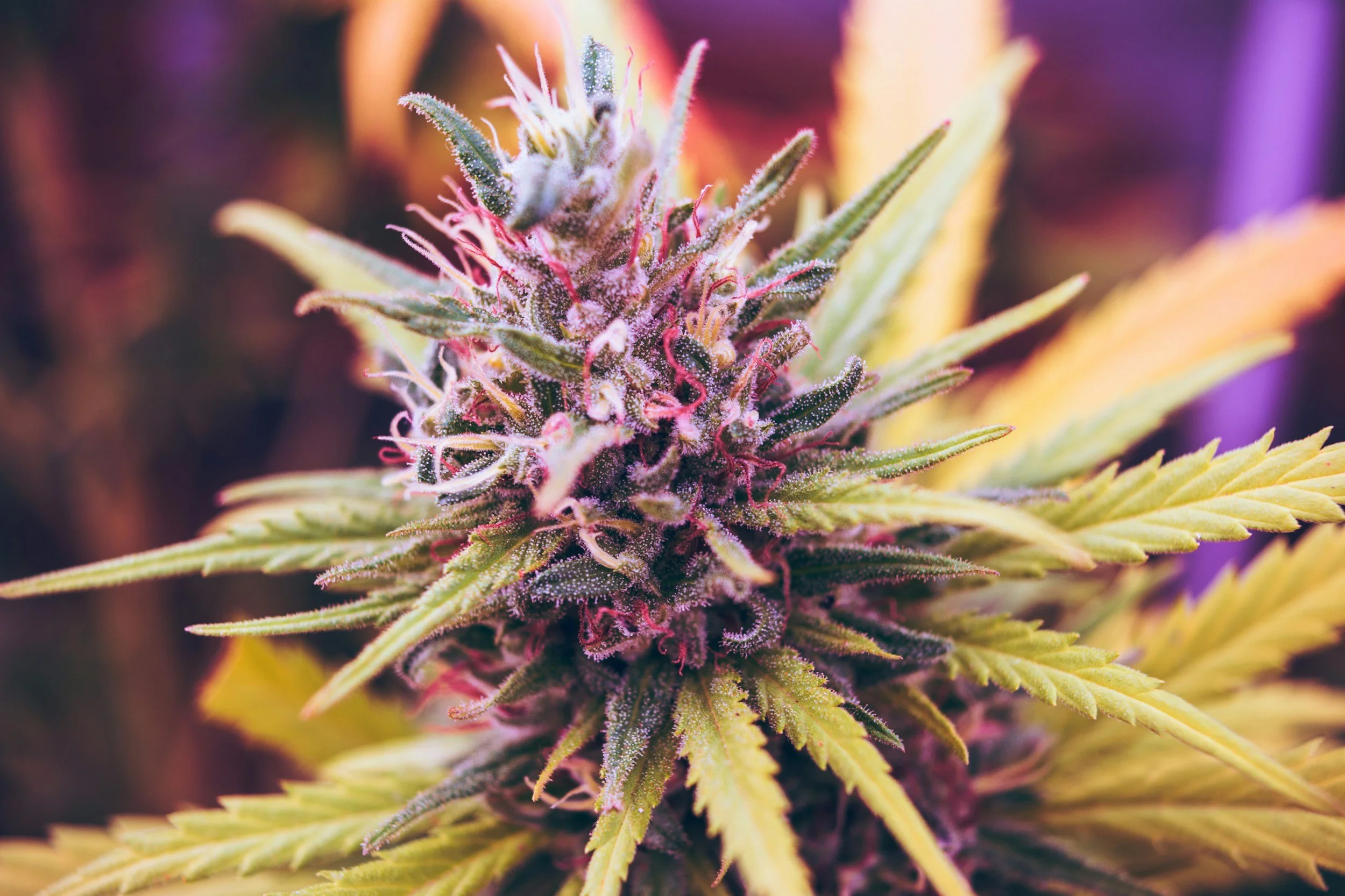
Teenagers and Cannabis: What Today’s Parents Need to Understand
Cannabis has never been more accessible—or more potent—than it is today. For many teenagers, it has become normalized to the point where daily use feels harmless, even health‑promoting. As an addiction specialist, I see the consequences of this misconception every week. The cannabis of 2026 is not the cannabis of the 1990s, and the risks for developing brains are significantly higher.
This blog outlines what parents, caregivers, and professionals need to know: today’s potency, the real consequences of daily use, and whether harm reduction or complete abstinence is the most effective path forward for youth.
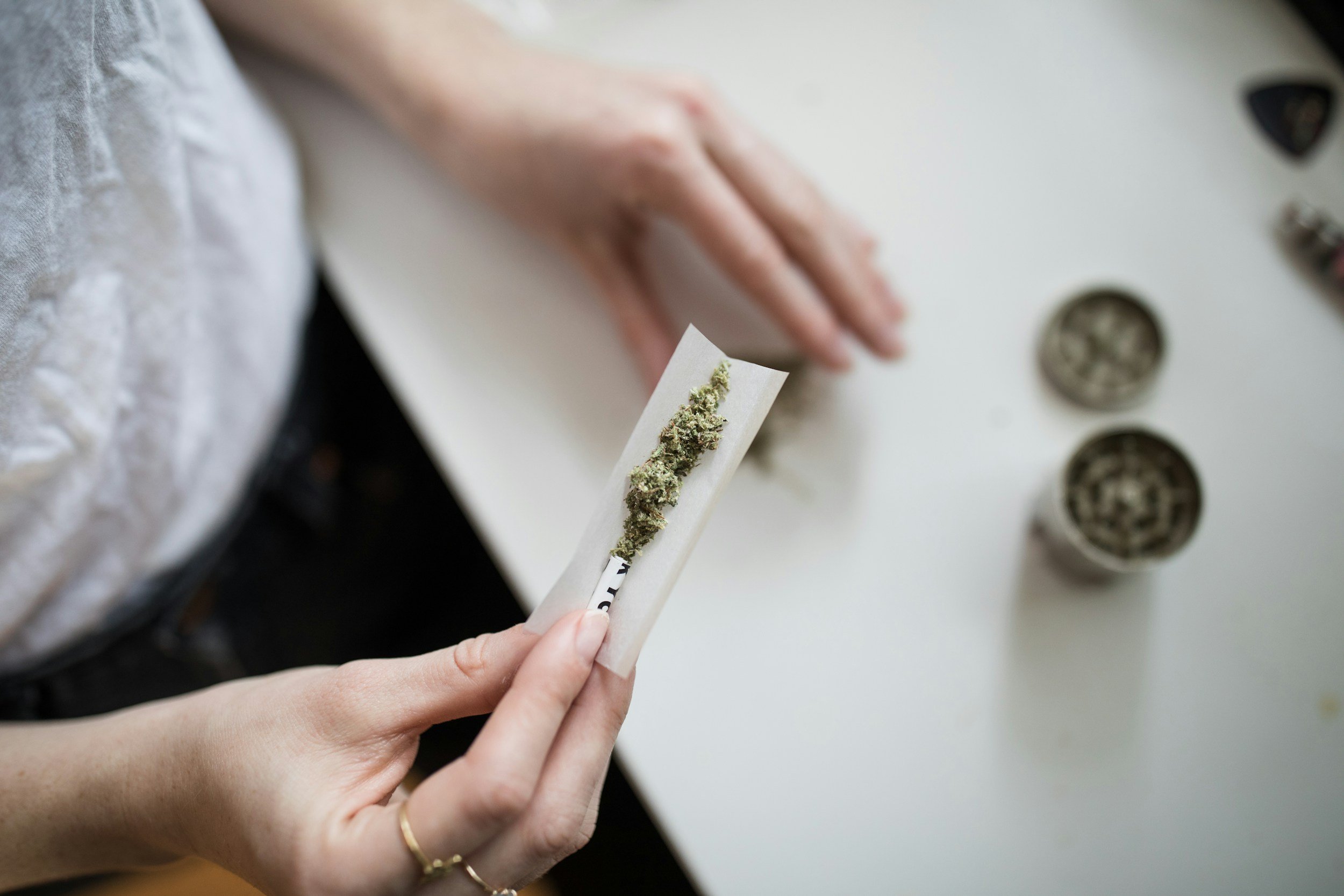
Cannabis Isn’t as Harmless as We Think: A Specialist’s View on Rising Psychosis, Daily Use, and the Path Out
Public opinion has shifted dramatically in the last decade. Cannabis is now widely viewed as natural, safe, and even therapeutic. As an addiction specialist, I understand why: legalization reduced stigma, medical use became mainstream, and many people use cannabis without obvious short‑term harm.
Finding Help for Compulsive Sexual Behaviours — and Why They Often Appear Alongside Heavy Cannabis Use
From the perspective of an addiction specialist, one of the most common patterns I see is people struggling with a compulsive behaviour — something they turn to for comfort, escape, or emotional regulation — and feeling completely alone in it. Compulsive sexual behaviours are one example. Many people feel ashamed, confused, or afraid to talk about it, even though it’s far more common than most realize.
And very often, this behaviour shows up alongside chronic cannabis use. The two can reinforce each other in ways that make both harder to stop.
The good news is that recovery is absolutely possible, and the path forward is clearer than people think.
Cannabis‑Induced Psychosis: What Loved Ones Need to Know
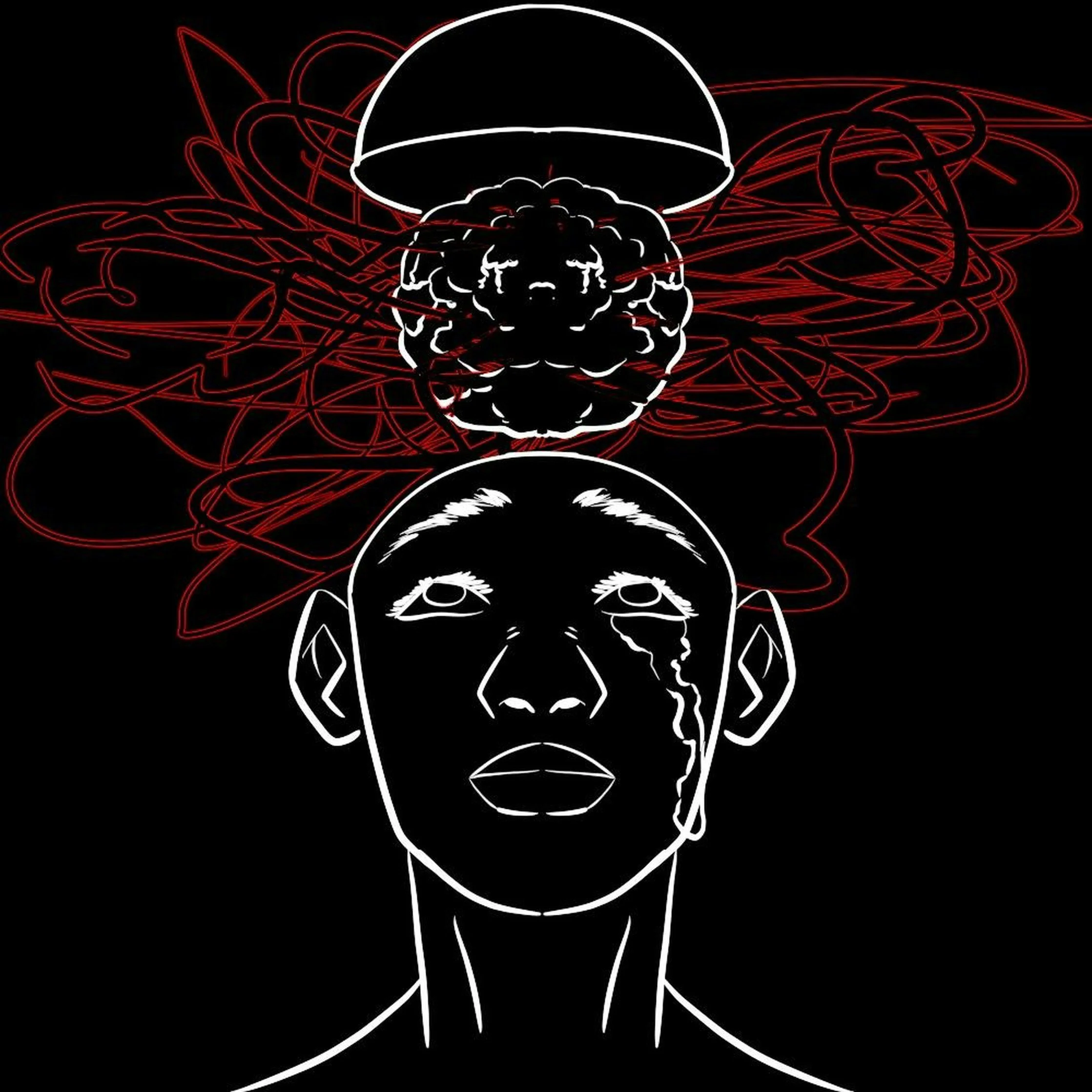
Cannabis is often marketed as harmless, natural, even therapeutic. But for a subset of people—especially those with genetic vulnerability, trauma histories, or heavy daily use—cannabis can trigger something far more serious: psychosis.
Cannabis‑induced psychosis (CIP) is real, destabilizing, and deeply frightening for both the person experiencing it and the people who love them. I see it in clinical practice far more often than most people realize.
This is a short, clear look at what CIP is, how it affects families, and what can be done to prevent and treat it.
Today’s Cannabis: Why It’s More Dangerous, More Addictive, and More Damaging Than People Realize
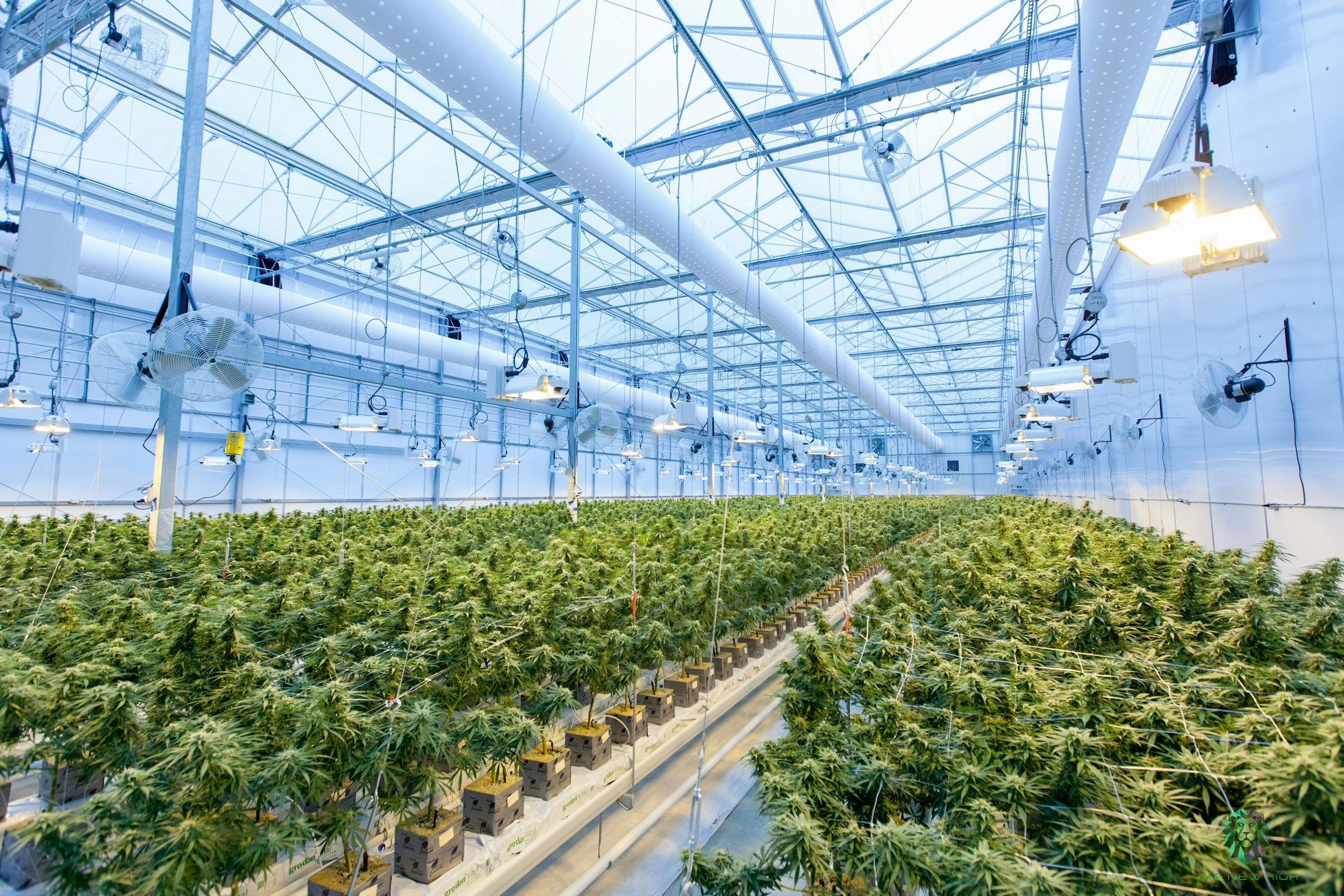
As an addiction specialist, I meet many people who believe cannabis is harmless because “it’s natural,” “everyone uses it,” or “it’s legal now.” But the cannabis people are using today is not the same substance that existed 20 or 30 years ago. Modern cannabis is dramatically more potent, more addictive, and more capable of causing both short‑ and long‑term harm to the brain.
The science is clear: today’s high‑THC cannabis carries real risks—especially for young people, daily users, and anyone using it to cope with stress, anxiety, trauma, or emotional pain.
Why Cannabis Is Not a Harm‑Reduction Medication for AUD or SUDA
In recent years, cannabis has been promoted in some circles as a “safer alternative” to alcohol or other drugs. The idea sounds appealing: replace a harmful substance with something perceived as more natural or less dangerous. But from the standpoint of an addiction specialist, this approach is not only misleading—it can derail recovery and prolong suffering.
The Grip of Today’s Cannabis: Understanding Addiction and the Path to Freedom
By: An Addiction Specialist
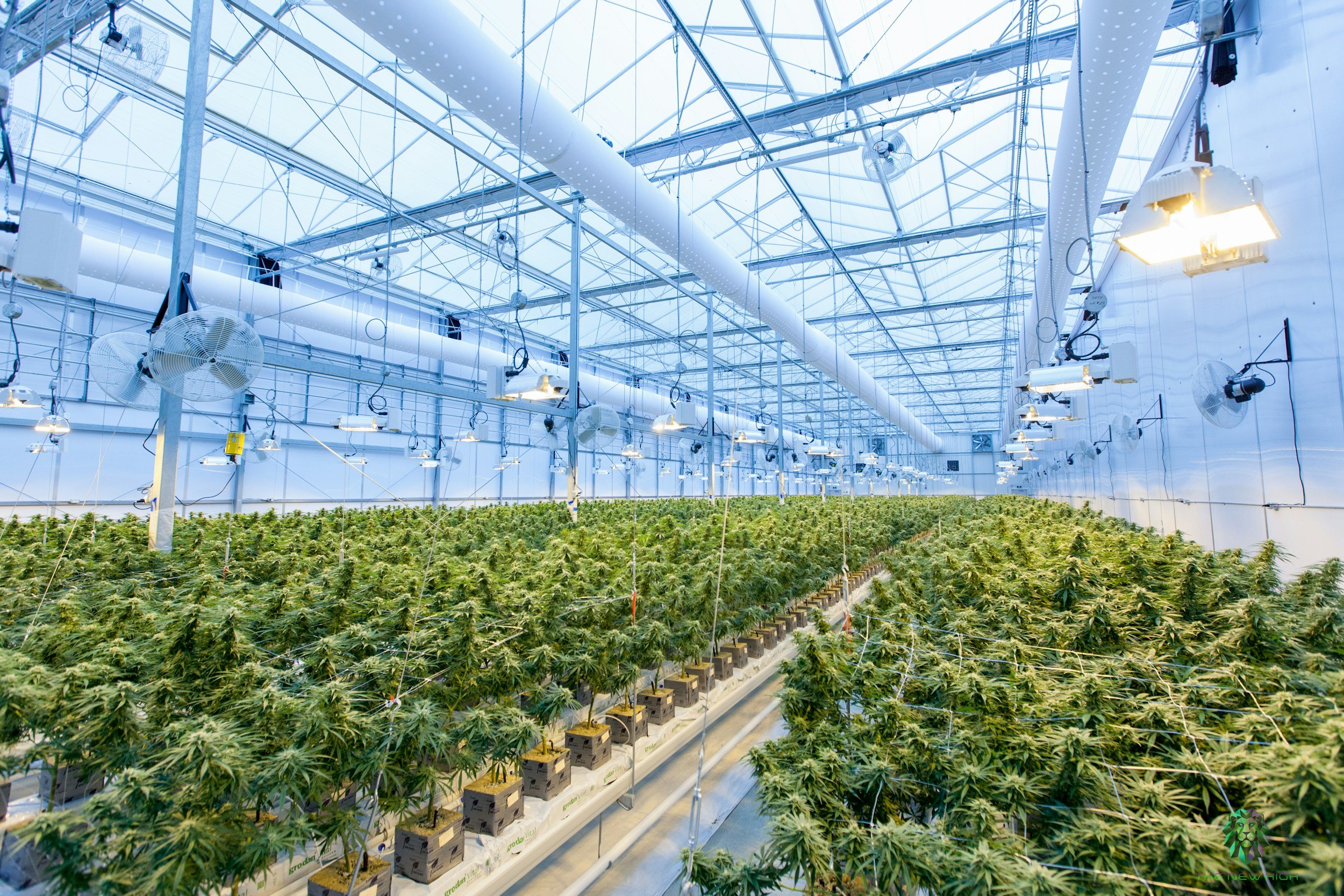
Cannabis has changed dramatically over the past decade. What was once a mild, low‑potency plant has evolved into a highly engineered substance with THC concentrations far beyond what previous generations ever encountered. As potency has risen, so have the rates of dependence, withdrawal, and cannabis‑induced mental health crises.
In my practice, I see more people than ever struggling with cannabis addiction—often shocked that something they believed was “safe” has taken such a powerful hold on their lives.