
Blog
Alcoholism: The Progressive Disease That Too Many People Underestimate
One of the greatest myths about alcoholism is that it only affects people who have lost everything.
Many people imagine alcoholism as something that happens only to individuals whose lives have completely fallen apart. In reality, alcoholism often develops quietly and progressively. It can affect professionals, parents, business owners, tradespeople, students, retirees, and people who appear to be functioning quite well on the surface.
As addiction specialists, we regularly meet individuals who spent years convincing themselves their drinking was "not that bad." They compared themselves to others, minimized consequences, and believed they still had control. For some, that belief lasted until significant damage had already occurred.
Crystal Meth: The Dopamine Hijacker That Can Steal Everything
Few substances create the speed, intensity, and devastation of crystal methamphetamine addiction.
As addiction specialists, we frequently meet individuals whose lives have been transformed by crystal meth. Many never intended to become addicted. What often begins as experimentation, a way to stay awake, increase energy, escape emotional pain, or boost confidence can quickly evolve into one of the most powerful addictions a person can experience.

Suffering with Addiction Alone: The Silent Struggle of First Responders
Every day, first responders answer calls that most people hope they never have to experience. They run toward danger when others run away. They witness trauma, tragedy, loss, and human suffering on a regular basis. Police officers, firefighters, paramedics, correctional officers, dispatchers, and other emergency personnel carry an enormous burden in service to their communities.
Yet when addiction enters their own lives, many first responders suffer alone.
As addiction specialists who work with individuals in recovery, we regularly meet first responders who have spent months, years, or even decades hiding their struggles. They often tell us the same thing:
"I was helping everyone else, but I couldn't ask for help myself."

Counselling for Addiction, Anxiety, Concurrent Disorders, and Childhood Trauma in Indigenous Communities: The Essential Role of NIHB‑Funded Support
Addiction, anxiety, depression, PTSD, and other concurrent disorders affect every community in Canada, but their impact within Indigenous populations is shaped by unique historical, cultural, and developmental experiences. Among these, childhood trauma stands out as one of the most significant contributors to long‑term mental‑health and substance‑use challenges.
As an addiction specialist, I see that healing in Indigenous communities requires more than clinical expertise. It requires cultural humility, trauma‑informed practice, and accessible support systems that honour Indigenous ways of knowing. The Non‑Insured Health Benefits (NIHB) program plays a vital role by offering free counselling services to eligible First Nations and Inuit clients.

Staying Sober With Support: Why Counselling and Community Matter — Especially When Lived Experience Is Involved
Trying to stay sober from substances or behavioural addictions is one of the most demanding psychological, emotional, and social challenges a person can face. Sobriety is not simply the absence of alcohol, drugs, gambling, pornography, or compulsive behaviours. It is the daily practice of choosing a healthier identity, a healthier environment, and a healthier way of relating to oneself and others.
As an addiction specialist, I see a consistent truth: People stay sober when they are supported — not when they try to do it alone. And the most powerful support often comes from counselling that integrates lived experience and a community of people who understand the struggle firsthand.
Cannabis, Pornography, and the Neurochemical Collision Devastating Young People
Cannabis is often marketed as harmless. Pornography is often dismissed as “normal.” But when young people combine high‑potency cannabis with compulsive pornography use, the result is a neurochemical and psychological collision that can derail healthy development, distort sexual functioning, and create long‑term dependency patterns that are extremely difficult to break.
This blog outlines why this combination is uniquely dangerous, how it affects the developing brain, and what evidence‑based strategies can restore balance and homeostasis.
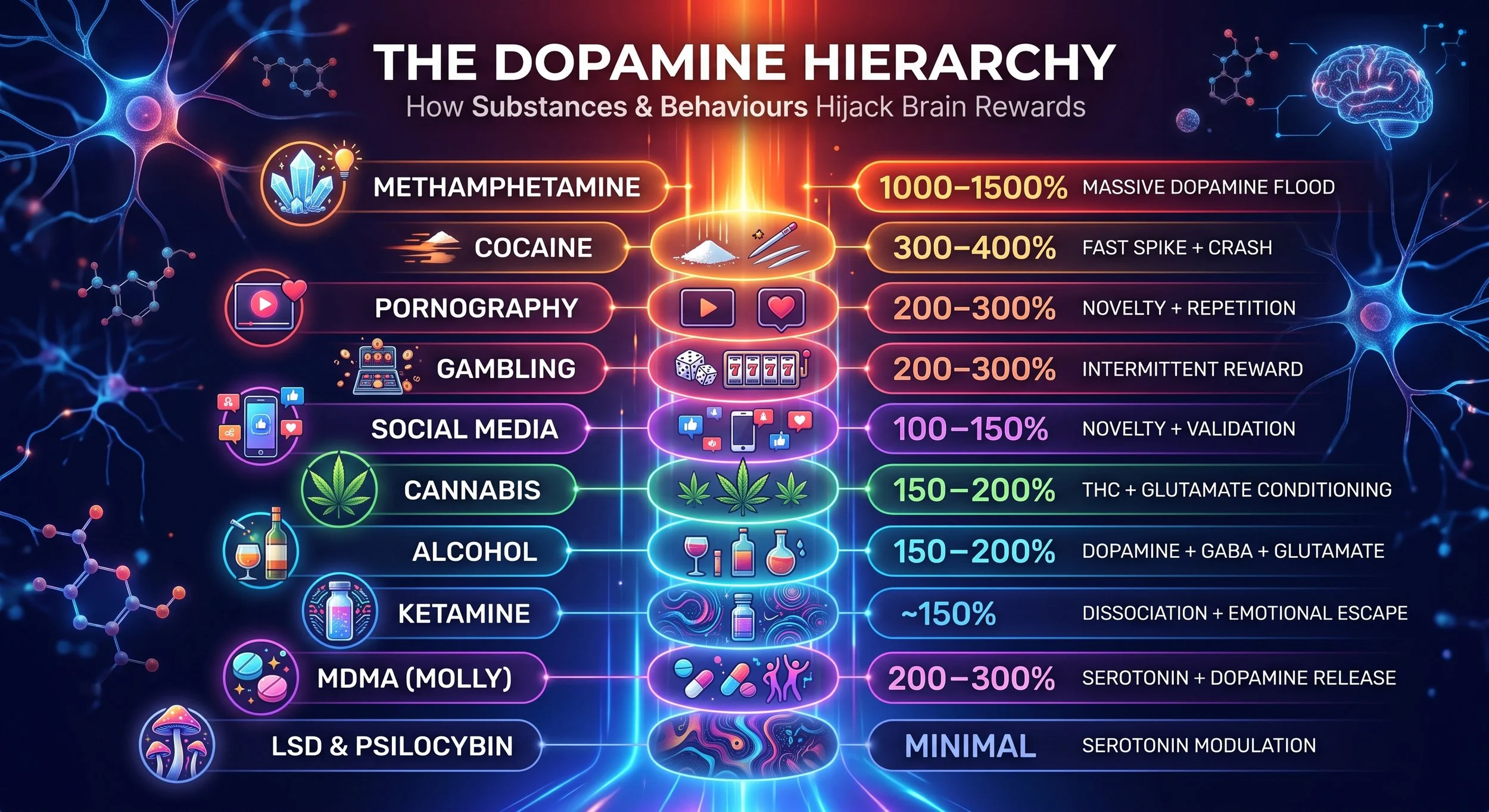
Dopamine Hierarchy: How Addiction Hijacks Your Brain
Dopamine is the brain’s reward and motivation neurotransmitter. It drives desire, learning, reinforcement, and the pursuit of pleasure. In addiction, dopamine becomes weaponized — pushed far beyond natural levels — creating powerful neurological conditioning that can override judgment, values, and long‑term goals.
Different substances and behaviours release dopamine at dramatically different intensities. Understanding these levels helps clients grasp why certain addictions escalate quickly, why some feel impossible to moderate, and why recovery requires time for the brain to recalibrate.
Explore dopamine, reward pathways, and neuroplasticity.

Cocaine: The Dangerous Gamble of "Trying It Once"
Cocaine is one of the most deceptive substances encountered in addiction medicine. It presents itself as glamorous, energizing, and socially acceptable — especially in professional environments and among young adults. But beneath that façade lies a drug capable of rapidly rewiring the brain, destabilizing judgment, and pushing individuals into secretive, high‑risk behaviours that can devastate relationships, careers, and long‑term wellbeing.
This blog explores why trying cocaine even once is a major gamble, how it hijacks the brain, and why so many people end up living a double life that becomes overwhelming and dangerous.

Sugar, Refined Carbohydrates, and the Hidden Addiction Cycle: How to Break Free and Build a Healthy Relationship With Food
When people think about addiction, they think about alcohol, cocaine, cannabis, opioids. But one of the most powerful and underestimated addictive substances is sugar — especially when paired with refined carbohydrates. For many individuals in recovery, sugar becomes the “acceptable” addiction, the socially normalized substitute that quietly takes over when substances are removed.
This shift feels harmless at first. It isn’t. Replacing one addiction with another keeps the brain trapped in the same cycle of compulsion, reward‑seeking, and emotional avoidance.
Understanding the power of sugar — and how to build a new relationship with food — is essential for long‑term recovery.

Cannabis‑Induced Psychosis in the Young Brain: What Parents Need to Know and the Warning Signs That Should Never Be Ignored.
Cannabis is often marketed as natural, harmless, or “safer than other substances.” But for adolescents and young adults, this is dangerously misleading. The modern cannabis landscape — with THC levels reaching 20–30% in flower and 60–90% in concentrates — poses a significant risk to the developing brain. One of the most serious and under‑recognized consequences is cannabis‑induced psychosis, a condition that can emerge suddenly, escalate rapidly, and have long‑term implications if not addressed early.
This blog outlines why young brains are uniquely vulnerable, how cannabis‑induced psychosis develops, and the warning signs parents can observe long before a crisis occurs.
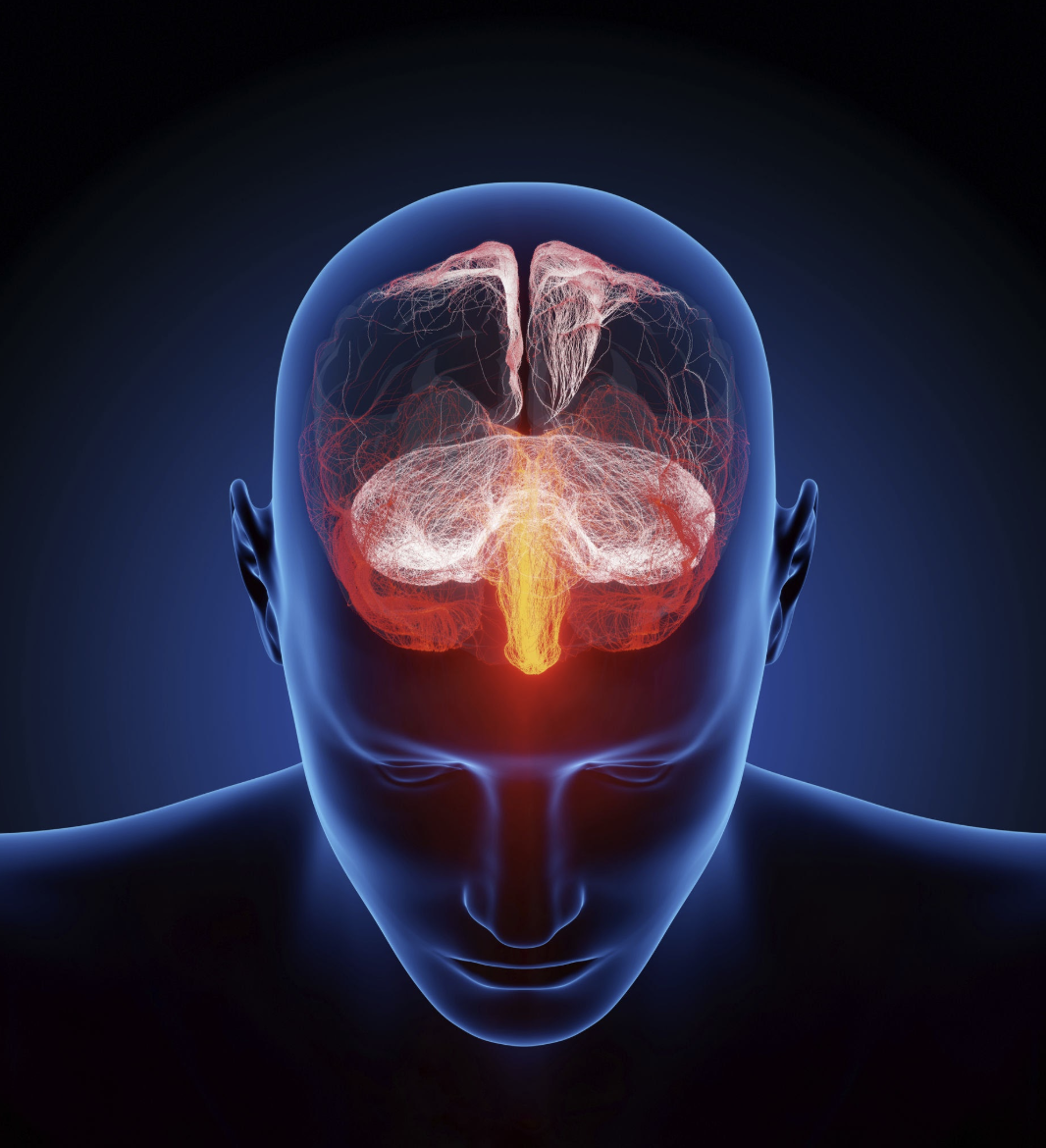
Anhedonia and the Neurochemical Tug‑of‑War in Early Recovery
Early recovery is not just a psychological battle — it is a neurochemical war unfolding inside the brain. Clients often describe the first 30–60 days as “emotionally flat,” “joyless,” or “empty.” This is anhedonia, one of the most predictable and misunderstood phases of healing.
Underneath that emotional numbness is a powerful biochemical recalibration involving dopamine, glutamate, and GABA — three neurotransmitters that have been pushed out of balance by chronic substance use. Understanding this internal battle helps clients stay committed, ride the wave, and trust that the brain is working its way back to homeostasis.

Meditation, Breathwork, and the Wim Hof Method: Powerful Tools for Emotional Regulation and Addiction Recovery
Addiction — whether acute or chronic — is fundamentally a disorder of emotional dysreulation. People use substances or compulsive behaviours to escape discomfort, numb anxiety, override stress, or create artificial stimulation. When the nervous system is unstable, the mind becomes reactive, and cravings intensify.
Meditation and breathwork practices, including structured methods like the Wim Hof Method, offer one of the most effective ways to stabilise the nervous system, rebuild emotional control, and support long‑term sobriety. These practices directly influence the brain regions damaged or overstimulated by addiction.

The Spectrum of Alcoholism: Understanding Acute, Mild, Moderate, and Severe Alcohol Use Disorders
Alcoholism is not a single condition. It exists on a spectrum, and understanding where a person falls on that spectrum is essential for determining the right treatment, the right expectations, and the right long‑term plan. The spectrum ranges from acute to mild, moderate, and severe alcohol use disorder (AUD). Each stage presents different risks, different patterns, and different recovery pathways.
Compulsive Gambling, Substance Use, and the Collapse of Self‑Control: Why Complete Abstinence Is the Only Path Back to Homeostasis
Compulsive gambling is one of the most destructive behavioural addictions because it hijacks the brain’s reward circuitry with the same intensity as cocaine or alcohol. When gambling is paired with mood‑altering substances — either as a substitute or as an enhancer — the neurological damage accelerates. The person becomes trapped in a cycle of stimulation, escape, and compulsion that can dismantle their life with alarming speed.

When a Teenager Develops a Substance Use Disorder: How Parents Must Respond Before It Becomes Chronic
Substance Use Disorder (SUD) in teenagers is one of the most urgent and destabilizing crises a family can face. Adolescents are in a critical neurodevelopmental window: their prefrontal cortex is still maturing, their reward circuitry is hypersensitive, and their impulse control is not yet fully formed. When substances enter this landscape, the brain’s natural homeostasis is disrupted — sometimes dramatically.

Saffron and Alcohol Use Disorder: The Emerging Science, the Proper Form, and How It Supports Holistic Recovery
Saffron has been used for thousands of years as a medicinal plant, but only recently has it gained attention in addiction treatment research. For individuals recovering from Alcohol Use Disorder (AUD), saffron may offer meaningful support in mood regulation, craving reduction, and neuroplastic healing. It is not a standalone treatment, and it is not a replacement for medical care, but it can be a powerful adjunct within a structured recovery plan.
This blog explores the science behind saffron, the proper kind to use, where to obtain it, and how it fits into a holistic approach to rebuilding healthy neuropathways that restore joy, meaning, and emotional stability.

ADHD: Understanding Its Roots, Its Attraction to Mood‑Altering Substances, and How a Holistic Approach Can Turn It Into a Superpower
ADHD is one of the most misunderstood neurodevelopmental conditions. It is often framed as a deficit, a disorder, or a limitation. But in clinical practice—especially in addiction treatment—we see something different. ADHD is a different brain, not a broken one. It is a brain wired for intensity, creativity, sensitivity, and rapid processing. When properly supported, it becomes a genuine superpower.
When unsupported, however, ADHD can lead to emotional overwhelm, impulsivity, and a heightened attraction to substances or behaviours that temporarily soothe or stimulate the brain.
This blog explores the causes of ADHD, why individuals with ADHD are uniquely vulnerable to mind‑altering substances, and how a holistic recovery approach can transform ADHD from a liability into a strength.

Focusing on What You’re Good At — and What You Find Interesting — as a Tool to Overcome Addiction
One of the most overlooked tools in addiction recovery is the simple act of focusing on what you are naturally good atand what genuinely interests you. In clinical practice, this approach is transformative. It shifts clients away from the narrow, fear‑based mindset of “not using” and toward a broader identity built on competence, curiosity, and meaning.
Addiction shrinks a person’s world. Recovery expands it. And nothing expands it faster than reconnecting with strengths and interests that remind the individual who they are outside the addiction.
This blog explores why this strategy works, how it rewires the brain, and how to implement it as part of a holistic recovery plan.

Relapse vs. Slip: Understanding the Difference, the Clinical Implications, and When Rehab Becomes the Only Option
In addiction medicine, few concepts are more misunderstood than the difference between a relapse and a slip. Families often use the terms interchangeably. Clients frequently minimize one or exaggerate the other. Clinically, however, the distinction matters. It shapes treatment planning, determines the level of intervention required, and helps clients understand what is happening in their recovery.
This blog clarifies the difference, explains the psychology behind each scenario, and outlines the solutions—along with the point at which residential treatment becomes the only safe option left.
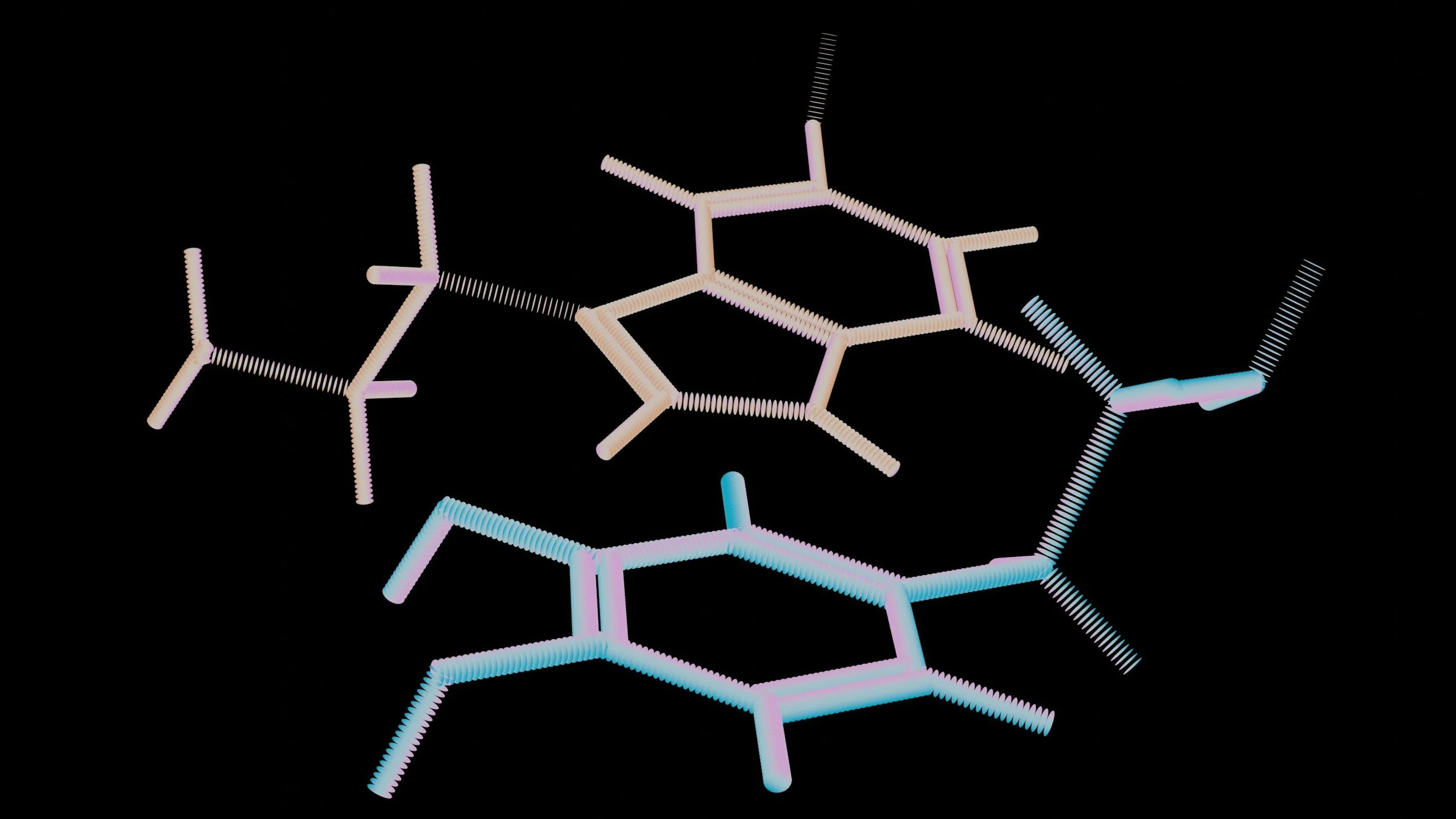
The Dopamine–Glutamate Tug of War: Why Addiction Becomes Insidious and How the Brain Can Heal
Addiction is not simply a matter of poor choices or weak willpower. It is a neurobiological disorder driven by powerful changes in two neurotransmitters: dopamine and glutamate. These chemicals—normally responsible for motivation, learning, and healthy reward—become distorted through repeated substance use. Over time, they create a self‑reinforcing loop that makes stopping feel biologically difficult, even when the person desperately wants to quit.
Understanding this “tug of war” between dopamine and glutamate is essential for anyone navigating addiction or supporting a loved one through recovery.