
Blog
When Counselling Is Not Enough: Why Chronic Addiction Requires a Sober Community to Truly Flourish
Counselling is a powerful tool in addiction recovery. It helps people understand their patterns, heal trauma, regulate emotions, and rebuild identity. But for chronic alcoholism and drug addiction, counselling alone is rarely enough. Addiction is not simply a psychological issue — it is a social, neurological, and behavioural disorder that thrives in isolation and collapses in connection.
As an addiction specialist, I see this every day: People do not recover from chronic addiction alone. They recover in community.
This blog explains why counselling is only one piece of the puzzle, why chronic addiction requires a sober network, and how community becomes the foundation for flourishing.

When a Loved One Leaves Rehab: What Families Can Expect, What to Watch For, and How to Support Long‑Term Recovery
When someone you love completes a 30‑day or longer residential treatment program, it is natural to feel hopeful — even relieved. Rehab is a powerful intervention. It provides structure, safety, detox support, therapy, and distance from triggers. But as an addiction specialist, I remind families of a difficult truth:
Rehab is the beginning of recovery, not the completion of it.
The real work begins the moment your loved one walks out the door and re‑enters the world that fueled their addiction. Understanding what to expect — and how to support them — can make the difference between sustained recovery and relapse.
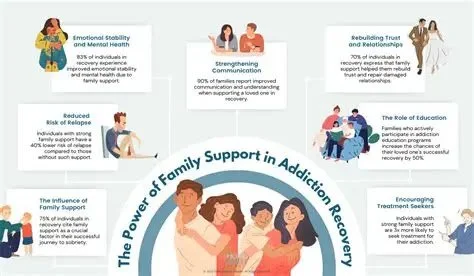
The Power of Family Support in Addition Recovery
Loved ones cope best when they shift from trying to control the addicted person to trying to care for themselves and influence recovery through healthy boundaries.
Radical Honesty and Its Essential Role in Addiction Recovery
In addiction treatment, few concepts are as transformative — or as uncomfortable — as radical honesty. It is not simply “telling the truth.” It is the practice of removing distortion, dropping self‑protection, and facing reality without filters. For people in recovery, radical honesty becomes the foundation on which every other part of healing is built.
Addiction thrives in secrecy, denial, and half‑truths. Recovery thrives in clarity, accountability, and truth‑telling. The two cannot coexist.

The Commitment Problem in Addiction — And the Transformation That Follows When Someone Finally Says “Yes” to Recovery
One of the hardest truths in this field is that the person who needs help the most is often the least able to commit to getting well. Families see the destruction, friends see the decline, clinicians see the risk — but the person in active addiction often feels trapped, overwhelmed, or numb.
Commitment is not a simple decision. It is a psychological, neurological, and emotional turning point. And when it finally happens, the change can be profound.


The Devastating Reality of Addiction in Young People — And Why There Is Still Hope
There is a particular kind of heartbreak that comes when someone under the age of 21 is struggling with addiction. At an age when life is supposed to be opening up — full of possibility, curiosity, and discovery — addiction can close the world in around them. It can steal their confidence, their joy, their sense of identity, and their belief in the future.

Recovery Isn’t Just About Stopping — It’s About Replacing: How New Experiences and Strengths Become the Fuel of a Sober Life
One of the biggest misconceptions about recovery is that it’s simply about removing alcohol, drugs, or addictive behaviors. As an addiction specialist, I can tell you that removal alone rarely works. The human brain hates a vacuum. When you take something away — especially something that once provided excitement, escape, or identity — the mind immediately looks for what will fill that space.
When Loved Ones Start Seeking Help First: Why Consequences — Not Enabling — Motivate Change
One of the most common patterns I see in addiction treatment is this:
Loved ones reach out for help long before the person struggling with addiction does.
This is not a failure.
It is not a sign that the person “doesn’t care.”
It is simply how addiction works.
Addiction is a disease that distorts insight, minimizes consequences, and convinces the person that they are still in control. Families, on the other hand, feel the impact clearly and painfully. They see the decline, the chaos, the emotional changes, and the risks long before the person with the addiction is ready to acknowledge them.
This is why families often become the first point of contact in the recovery process — and why their role is absolutely essential.
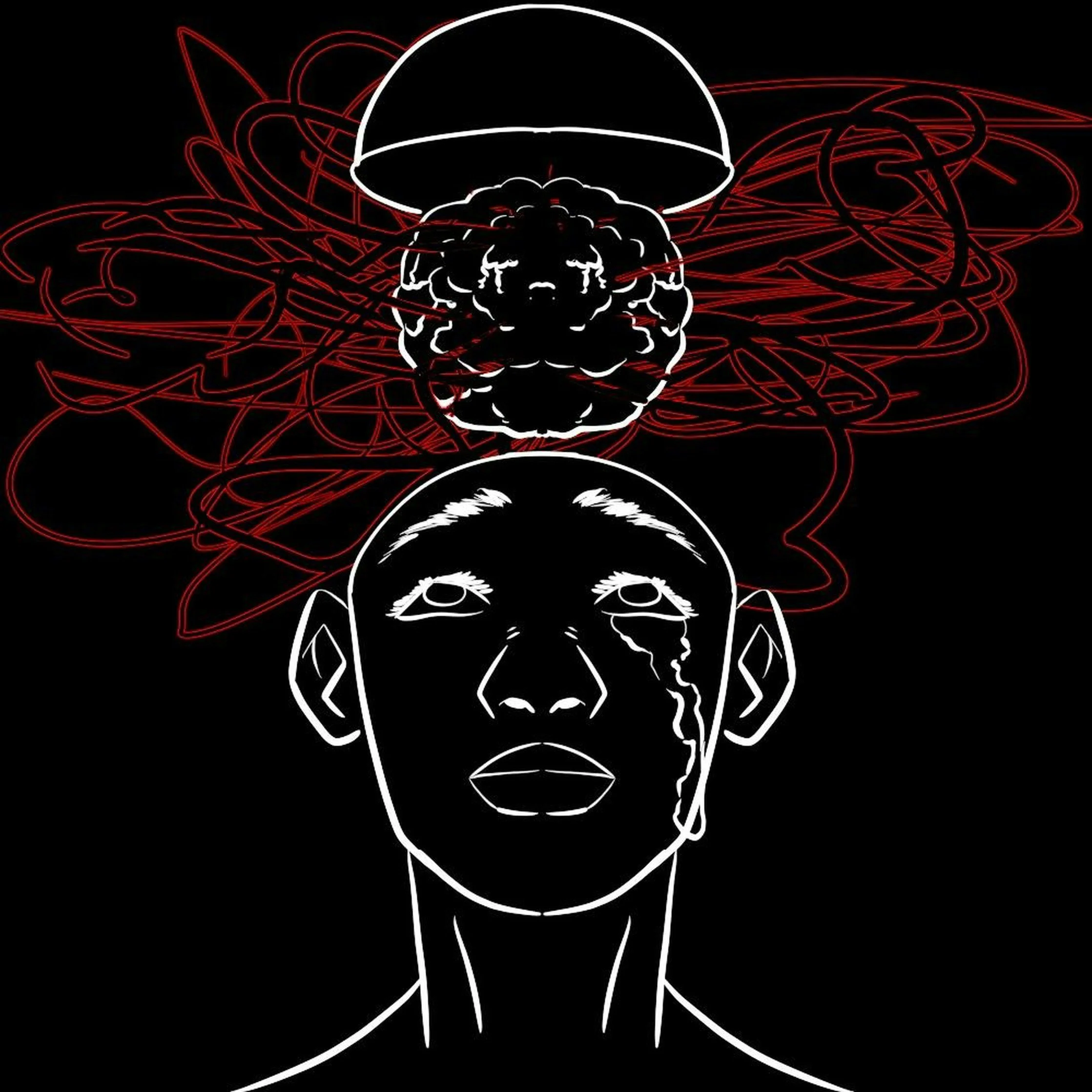
Cannabis‑Induced Psychosis: What Loved Ones Need to Know
Cannabis is often marketed as harmless, natural, even therapeutic. But for a subset of people—especially those with genetic vulnerability, trauma histories, or heavy daily use—cannabis can trigger something far more serious: psychosis.
Cannabis‑induced psychosis (CIP) is real, destabilizing, and deeply frightening for both the person experiencing it and the people who love them. I see it in clinical practice far more often than most people realize.
This is a short, clear look at what CIP is, how it affects families, and what can be done to prevent and treat it.

When Both Partners Are Addicted but Only One Wants to Stop: A Guide to Love, Change, and Hard Choices
When two people are in a relationship and both are struggling with addiction, the bond can feel intense — almost like a shared world that no one else understands. There’s comfort in the familiarity, in the rituals, in the sense of “us against the world.” But when one partner reaches a point where they want to stop using, everything shifts.