
Blog

The Spectrum of Alcoholism: Understanding Acute, Mild, Moderate, and Severe Alcohol Use Disorders
Alcoholism is not a single condition. It exists on a spectrum, and understanding where a person falls on that spectrum is essential for determining the right treatment, the right expectations, and the right long‑term plan. The spectrum ranges from acute to mild, moderate, and severe alcohol use disorder (AUD). Each stage presents different risks, different patterns, and different recovery pathways.

Codependency in Addiction: How It Develops, How It Harms, and How to Break Free
Codependency is one of the most misunderstood dynamics in addiction. Most people think of it as something that affects partners or family members of addicts — but in clinical practice, I see something else as well: addicts themselves often suffer from codependency, both in their relationships and in their relationship with the substance.
Codependency is not simply “loving too much.” It is a pattern of self‑abandonment, emotional enmeshment, and compulsive caretaking that keeps people trapped in unhealthy cycles. It is a form of bondage — and breaking free from it is essential for long‑term recovery.
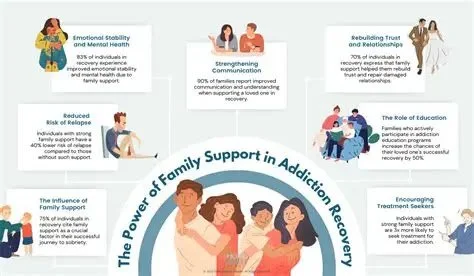
The Power of Family Support in Addition Recovery
Loved ones cope best when they shift from trying to control the addicted person to trying to care for themselves and influence recovery through healthy boundaries.

The Commitment Problem in Addiction — And the Transformation That Follows When Someone Finally Says “Yes” to Recovery
One of the hardest truths in this field is that the person who needs help the most is often the least able to commit to getting well. Families see the destruction, friends see the decline, clinicians see the risk — but the person in active addiction often feels trapped, overwhelmed, or numb.
Commitment is not a simple decision. It is a psychological, neurological, and emotional turning point. And when it finally happens, the change can be profound.


Thirty Days Sober: What Happens to the Brain, the Body, and the Heart
Thirty days of complete sobriety is not just a milestone — it is a profound act of courage. It is the moment a person begins to feel life returning to them. It is the first time the brain gets a chance to breathe, repair, and stabilize after years of being pushed, numbed, overstimulated, or shut down.

Getting and Staying Sober as a Teenager: The Courage to Choose Your Future
Getting sober as a teenager is one of the bravest decisions a young person can make. It goes against the pressure to fit in, the pull of curiosity, and the belief that “everyone else is doing it.” It requires maturity long before most people ever have to think about their relationship with substances.
Sobriety at a young age is not a punishment. It’s a superpower.
It’s a chance to build a life with clarity, strength, and purpose—before addiction has the chance to take anything from you.
But it’s also not easy. And that’s the truth.

Why Complete Abstinence Is the Only Real Solution for Chronic Addiction
Chronic addiction is not a bad habit, a moral failing, or a lack of willpower. It is a progressive brain disorder that changes how a person thinks, feels, reacts, and makes decisions. Over time, the brain becomes wired to prioritize the substance or behaviour above everything else — relationships, health, work, and even survival.

Finding Help for Compulsive Sexual Behaviours — and Why They Often Appear Alongside Heavy Cannabis Use
From the perspective of an addiction specialist, one of the most common patterns I see is people struggling with a compulsive behaviour — something they turn to for comfort, escape, or emotional regulation — and feeling completely alone in it. Compulsive sexual behaviours are one example. Many people feel ashamed, confused, or afraid to talk about it, even though it’s far more common than most realize.
And very often, this behaviour shows up alongside chronic cannabis use. The two can reinforce each other in ways that make both harder to stop.
The good news is that recovery is absolutely possible, and the path forward is clearer than people think.

The Devastating Reality of Addiction in Young People — And Why There Is Still Hope
There is a particular kind of heartbreak that comes when someone under the age of 21 is struggling with addiction. At an age when life is supposed to be opening up — full of possibility, curiosity, and discovery — addiction can close the world in around them. It can steal their confidence, their joy, their sense of identity, and their belief in the future.

Recovery Isn’t Just About Stopping — It’s About Replacing: How New Experiences and Strengths Become the Fuel of a Sober Life
One of the biggest misconceptions about recovery is that it’s simply about removing alcohol, drugs, or addictive behaviors. As an addiction specialist, I can tell you that removal alone rarely works. The human brain hates a vacuum. When you take something away — especially something that once provided excitement, escape, or identity — the mind immediately looks for what will fill that space.

When Loved Ones Start Seeking Help First: Why Consequences — Not Enabling — Motivate Change
One of the most common patterns I see in addiction treatment is this:
Loved ones reach out for help long before the person struggling with addiction does.
This is not a failure.
It is not a sign that the person “doesn’t care.”
It is simply how addiction works.
Addiction is a disease that distorts insight, minimizes consequences, and convinces the person that they are still in control. Families, on the other hand, feel the impact clearly and painfully. They see the decline, the chaos, the emotional changes, and the risks long before the person with the addiction is ready to acknowledge them.
This is why families often become the first point of contact in the recovery process — and why their role is absolutely essential.

Binge Drinking: Understanding the Rush, the Risks, and the Road Back to Control
Binge drinking is one of the most misunderstood patterns of alcohol use. Many people imagine it as something that only happens in college or at parties, but in reality, binge drinking affects people of all ages — professionals, parents, students, and anyone who uses alcohol as a way to unwind, escape, or feel alive.
As an addiction specialist, I’ve seen how binge drinking can start innocently and gradually become a cycle that feels harder and harder to break. But I’ve also seen people reclaim control, rebuild healthier habits, and rediscover a balanced relationship with alcohol.
This blog explores the emotional “switch” that flips once drinking begins, the situations where binge drinking thrives, the long‑term consequences if it continues, and the possibility of returning to moderate drinking.
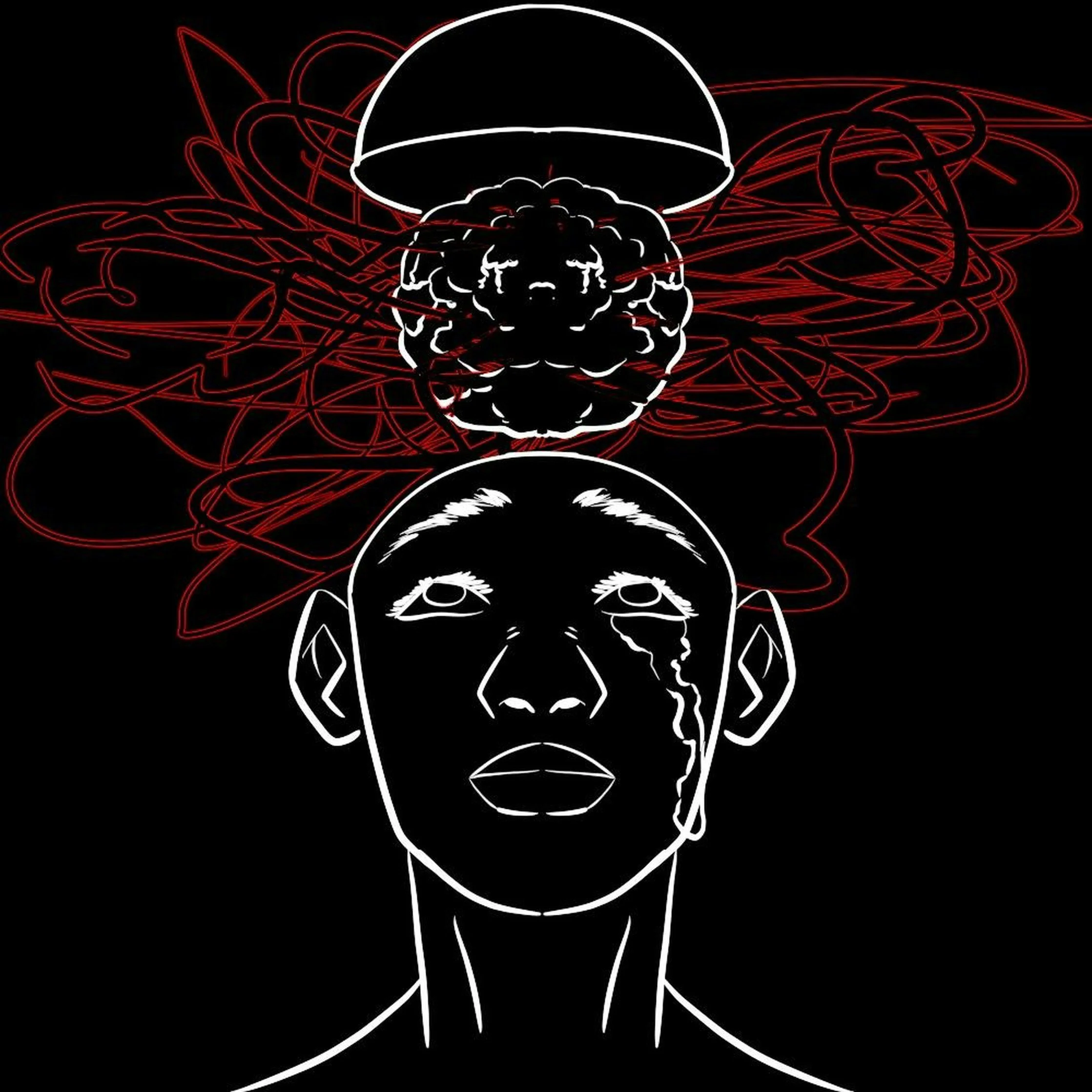
Cannabis‑Induced Psychosis: What Loved Ones Need to Know
Cannabis is often marketed as harmless, natural, even therapeutic. But for a subset of people—especially those with genetic vulnerability, trauma histories, or heavy daily use—cannabis can trigger something far more serious: psychosis.
Cannabis‑induced psychosis (CIP) is real, destabilizing, and deeply frightening for both the person experiencing it and the people who love them. I see it in clinical practice far more often than most people realize.
This is a short, clear look at what CIP is, how it affects families, and what can be done to prevent and treat it.

Loving Someone With an Addiction: What Young People Need to Know About Boundaries, Consequences, and Emotional Survival
Being young and in love can feel intense, hopeful, and full of possibility. But when addiction enters the relationship, everything becomes heavier. As an addiction specialist, I’ve watched many young people try to carry the weight of their partner’s struggle on their own shoulders. They love deeply, they want to help, and they often believe they can be the one to “save” the person they care about.
But love alone can’t compete with addiction.
And that’s one of the hardest truths to learn.