
Blog

Crystal Meth: The Dopamine Hijacker That Can Steal Everything
Few substances create the speed, intensity, and devastation of crystal methamphetamine addiction.
As addiction specialists, we frequently meet individuals whose lives have been transformed by crystal meth. Many never intended to become addicted. What often begins as experimentation, a way to stay awake, increase energy, escape emotional pain, or boost confidence can quickly evolve into one of the most powerful addictions a person can experience.

The Spectrum of Alcoholism: Understanding Acute, Mild, Moderate, and Severe Alcohol Use Disorders
Alcoholism is not a single condition. It exists on a spectrum, and understanding where a person falls on that spectrum is essential for determining the right treatment, the right expectations, and the right long‑term plan. The spectrum ranges from acute to mild, moderate, and severe alcohol use disorder (AUD). Each stage presents different risks, different patterns, and different recovery pathways.
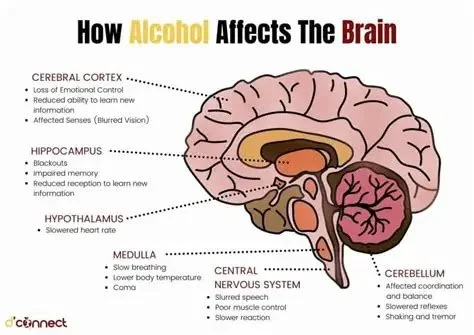
Acute vs. Chronic Alcoholism: Understanding the Differences, the Risks, and the Pathways to Recovery
Alcohol use disorder is not a single condition. It exists on a spectrum, and understanding where a person falls on that spectrum is essential for effective treatment. Two categories often guide clinical decision‑making: acute alcoholism and chronic alcoholism. While both are serious, they differ in severity, health consequences, and the strategies required for recovery.
When Counselling Is Not Enough: Why Chronic Addiction Requires a Sober Community to Truly Flourish
Counselling is a powerful tool in addiction recovery. It helps people understand their patterns, heal trauma, regulate emotions, and rebuild identity. But for chronic alcoholism and drug addiction, counselling alone is rarely enough. Addiction is not simply a psychological issue — it is a social, neurological, and behavioural disorder that thrives in isolation and collapses in connection.
As an addiction specialist, I see this every day: People do not recover from chronic addiction alone. They recover in community.
This blog explains why counselling is only one piece of the puzzle, why chronic addiction requires a sober network, and how community becomes the foundation for flourishing.

Saving a Child From Chronic Addiction: What Consequences Parents Can Use — and Why They Matter
When a teenager or young adult begins slipping into chronic substance use or behavioural addiction, parents often feel terrified, helpless, and unsure of how to intervene. Addiction in youth is not simply “bad behaviour.” It is a progressive condition that rewires the brain, distorts judgment, and erodes motivation. Early intervention is critical — and the consequences parents choose can either interrupt the addiction or unintentionally enable it.
As an addiction specialist, I tell parents this truth: You cannot control your child’s addiction, but you can control the environment that addiction lives in. Consequences are not punishments — they are boundaries that protect your child’s future.

Trauma Therapy and Long‑Term Recovery: Why Healing the Wound Heals the Addiction
The longer I work in addiction treatment, the clearer one truth becomes: addiction is rarely the core problem — it is the coping mechanism. Beneath alcohol, cocaine, cannabis, pornography, gambling, or any compulsive behaviour, there is almost always unresolved trauma. Not always the dramatic kind people imagine, but often the quiet, chronic, emotional injuries that shape how a person sees themselves and the world.
This is why trauma therapy is not just helpful in recovery — it is essential. Without healing the wound, the symptom returns. When trauma is addressed directly, long‑term recovery becomes not only possible, but sustainable.

Non‑Alcoholic Drinks in Early Sobriety: A Helpful Harm‑Reduction Tool — But Not a Long‑Term Solution
In recent years, non‑alcoholic drinks have exploded in popularity. You can now find alcohol‑free beers, wines, spirits, mocktails, and craft beverages in almost every grocery store, bar, and restaurant. For people in early recovery, this trend can feel like a gift: finally, a way to participate socially without feeling deprived or singled out.
As an addiction therapist, I see the value these drinks can offer — especially in the early stages of sobriety. But I also see the risks. Non‑alcoholic drinks can be a harm‑reduction tool, but they are not a long‑term solution for stopping drinking. Understanding the difference is essential.

Naltrexone: A Powerful Tool — But Not the Whole Solution
Naltrexone is one of the most effective medications we have for supporting sobriety, but it is often misunderstood. It is not a cure, not a permanent fix, and not a replacement for personal growth. Instead, it functions as a biochemical safety net — an insurance policy that reduces the severity of relapse and helps people maintain long‑term sobriety while they build the emotional, behavioural, and psychological skills needed for lasting change.

The Neurochemical Collision: Understanding the Triad of Alcohol, Cocaine, and Compulsive Pornography
Alcohol, cocaine, and compulsive pornography use form one of the most volatile and clinically challenging addiction combinations I see as a specialist. Each one independently alters the brain’s reward circuitry — but together, they create a feedback loop that accelerates tolerance, distorts sexual arousal patterns, and increases the likelihood of acting out on fetishes.

GLP‑1 Medications: How They Support Weight Loss, Influence Addiction Pathways, and Fit Into a Holistic Recovery Lifestyle
In recent years, GLP‑1 medications such as semaglutide and tirzepatide have become widely known for their ability to support weight loss. But for people in addiction recovery, these medications have sparked a different kind of conversation — one that goes beyond weight and into the deeper neurobiology of cravings, impulse control, and reward.
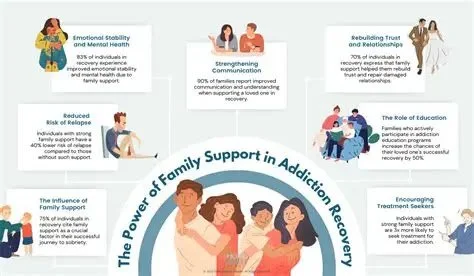
The Power of Family Support in Addition Recovery
Loved ones cope best when they shift from trying to control the addicted person to trying to care for themselves and influence recovery through healthy boundaries.

Controlling Alcohol Intake: How to Recognize When It Becomes a Problem — And What Happens When You Stop for Good
Alcohol is woven into our culture so tightly that many people don’t realize when their relationship with it has shifted from “social” to “problematic.” Unlike other substances, alcohol hides in plain sight. It’s legal, normalized, and socially encouraged — which makes it especially difficult for someone to look honestly at their drinking and admit that it’s harming them.
But the truth is simple: when alcohol begins to change who you are, you’ve lost the privilege of drinking. And reclaiming your life begins with recognizing that shift.

Tapering Off Psychiatric Medication: Understanding the Motives, the Risks, and the Power of a Holistic Recovery Lifestyle
In addiction recovery, it’s common for people to reach a point where they begin questioning their psychiatric medications. They may feel clearer, healthier, more grounded, and more connected to themselves than they have in years. With this new clarity often comes a desire to “get off everything” and live a more natural, holistic life.

Online Gambling Addiction: Understanding the Risks, Recognizing the Signs, and Finding a Path to Recovery
Online gambling has become one of the fastest‑growing addictions I see in my practice. What used to require a trip to a casino can now be accessed instantly—from a phone, tablet, or laptop—24 hours a day. For many people, gambling starts as entertainment. But for others, especially those dealing with stress, trauma, loneliness, or financial pressure, it can quickly become something far more dangerous.
Radical Honesty and Its Essential Role in Addiction Recovery
In addiction treatment, few concepts are as transformative — or as uncomfortable — as radical honesty. It is not simply “telling the truth.” It is the practice of removing distortion, dropping self‑protection, and facing reality without filters. For people in recovery, radical honesty becomes the foundation on which every other part of healing is built.
Addiction thrives in secrecy, denial, and half‑truths. Recovery thrives in clarity, accountability, and truth‑telling. The two cannot coexist.

Understanding the NIHB Program: A Guide for Clients Seeking Support
When someone is living with addiction, mental‑health challenges, or the long‑term impacts of trauma, navigating the healthcare system can feel overwhelming. For many First Nations and Inuit clients, the Non‑Insured Health Benefits (NIHB) Program is a crucial lifeline—one that ensures access to essential health services that might otherwise be out of reach.
As an addiction specialist, I often work with clients who don’t realize they qualify for NIHB, or who aren’t sure what the program covers. Understanding this program can open the door to counselling, medication, medical supplies, and transportation to treatment—supports that can make recovery safer and more accessible.

The Commitment Problem in Addiction — And the Transformation That Follows When Someone Finally Says “Yes” to Recovery
One of the hardest truths in this field is that the person who needs help the most is often the least able to commit to getting well. Families see the destruction, friends see the decline, clinicians see the risk — but the person in active addiction often feels trapped, overwhelmed, or numb.
Commitment is not a simple decision. It is a psychological, neurological, and emotional turning point. And when it finally happens, the change can be profound.


Being Healthy in Mind, Body, and Spirit: Why Total Abstinence Creates the Conditions for a Whole Life
Health is not one thing. It’s not just a strong body, a calm mind, or a sense of purpose. It’s the integration of all three. When someone is mentally grounded, physically well, and spiritually connected, they experience a kind of internal alignment that makes destructive behaviours unnecessary.
For people with addiction histories—or even those who simply use substances to cope—total abstinence is not about deprivation. It’s about creating the internal stability needed for a full, meaningful life.
Below is a clear, grounded look at why dopamine‑driven behaviours pull people off balance, why abstinence restores homeostasis, and how a person’s life expands once they become whole.

The Hidden Link Between Social Media, Gaming, Cell‑Phone Addiction and OCD
In recent years, I’ve seen a dramatic rise in clients struggling with behavioural addictions—especially social media, gaming, and compulsive phone use. What many people don’t realize is how closely these behaviours are tied to Obsessive‑Compulsive Disorder (OCD) and OCD‑like patterns.
These addictions don’t just coexist with OCD.
They fuel it, intensify it, and make recovery harder.
Understanding this connection is the first step toward healing.