
Blog

Love in Early Recovery: The Realities, Risks, and Possibilities of Building a Relationship After Addiction
Entering a serious relationship with someone who is in early recovery from a chronic addiction is both hopeful and complicated. It can be deeply meaningful, but it also requires awareness, boundaries, patience, and support. As an addiction specialist, I see couples navigate this terrain every day. When approached with honesty and structure, these relationships can thrive. When approached blindly, they often become overwhelmed by the weight of recovery.
This blog outlines the pitfalls, the chaotic dynamics of the past, the emotional landscape, and the supports availablefor both partners.

Sex Addiction: How it Develops, How It Rewires the Brain, and Why Complete Abstinence Opens the Door to Real Recovery
Sex addiction is one of the most insidious behavioural addictions I treat. It hides behind secrecy, shame, and rationalization. It often begins innocently — curiosity, stress relief, boredom — but over time it can escalate into compulsive patterns involving pornography, massage parlours, escorts, or anonymous encounters.
What makes sex addiction uniquely destructive is how deeply it rewires the brain’s reward system and how profoundly it affects identity, relationships, and emotional stability. But with complete abstinence and targeted therapeutic work, recovery is absolutely possible.
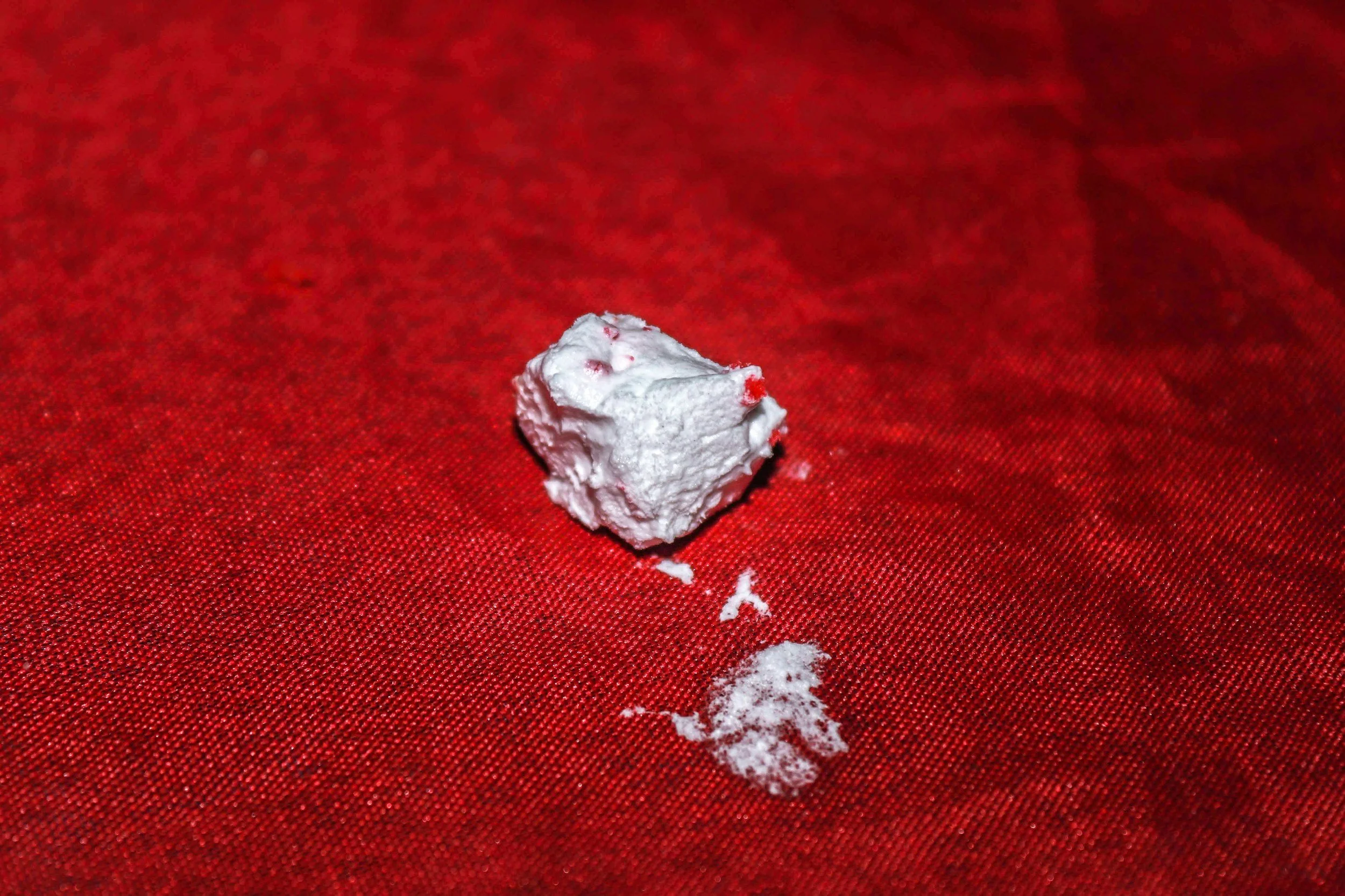
The Insidious Nature of Cocaine: How It Hooks the Brain, the Dangers of Every Method of Use, and the Path to Recovery
Cocaine is one of the most insidious substances encountered in addiction medicine. It is fast‑acting, highly reinforcing, and uniquely capable of hijacking the brain’s reward system in ways that feel both exhilarating and destructive. People often underestimate its danger because the early effects feel clean, energetic, and confident — but beneath that surface lies a powerful neurochemical trap.
This blog explores how cocaine works, the dangers of each method of consumption, and how individuals break free from its bondage through structured recovery, abstinence, and connection.

Supporting a Teenager Struggling With Substance Use: A Guide for Parents
When a teenager begins misusing substances or engaging in compulsive behaviours, parents often feel fear, confusion, and helplessness. Today’s teens face a combination of risks that previous generations never encountered simultaneously: high‑potency cannabis, early alcohol exposure, immersive gaming environments, and unlimited access to pornography. Each of these can disrupt brain development — but together, they can create a powerful cycle of avoidance, emotional dysregulation, and dependency.
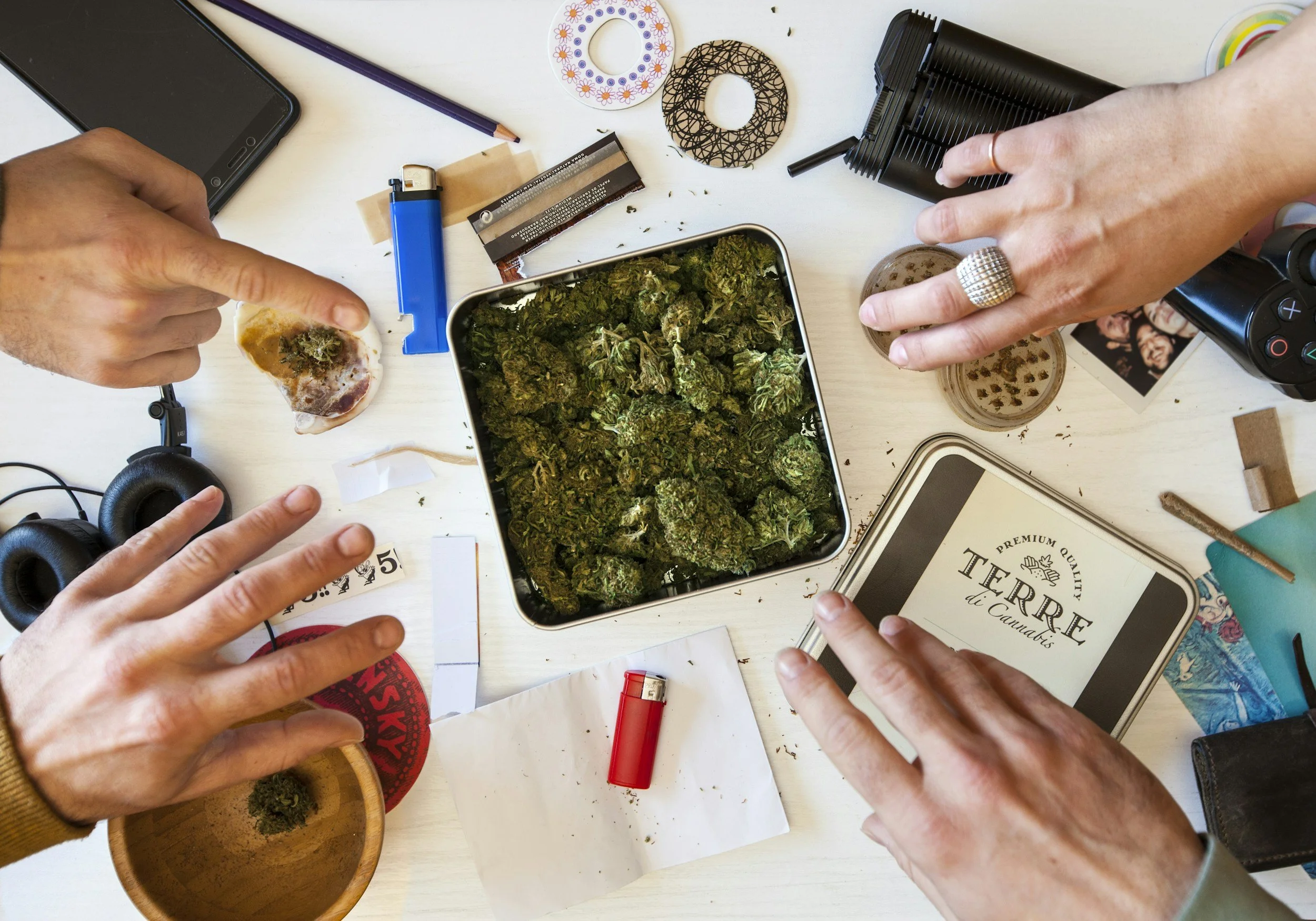
Cannabis Use in Teenagers and Young Adults: Why Abstinence Is the Only Safe Path
Cannabis has become one of the most normalized substances among teenagers and young adults. Yet from a clinical standpoint, the period between 13 and 25 represents the single most vulnerable window of brain development. During these years, cannabis—especially today’s high‑potency THC—can derail cognitive, emotional, and neurological maturation in ways that many families do not fully understand.
The Developing ADHD Brain: Why Cannabis, Alcohol, and Pornography Create a Trap — and How Total Abstinence Supports Healthy Maturation
The ADHD brain is remarkable, creative, fast‑moving, and deeply sensitive. But it is also still developing well into the mid‑twenties, especially in areas responsible for impulse control, emotional regulation, and long‑term decision‑making. When substances or compulsive behaviours enter the picture during this developmental window, the brain becomes vulnerable to patterns that are difficult to break.
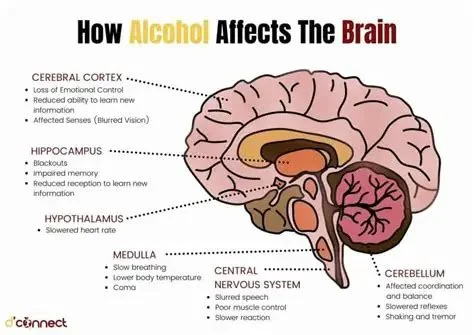
Acute vs. Chronic Alcoholism: Understanding the Differences, the Risks, and the Pathways to Recovery
Alcohol use disorder is not a single condition. It exists on a spectrum, and understanding where a person falls on that spectrum is essential for effective treatment. Two categories often guide clinical decision‑making: acute alcoholism and chronic alcoholism. While both are serious, they differ in severity, health consequences, and the strategies required for recovery.
When Counselling Is Not Enough: Why Chronic Addiction Requires a Sober Community to Truly Flourish
Counselling is a powerful tool in addiction recovery. It helps people understand their patterns, heal trauma, regulate emotions, and rebuild identity. But for chronic alcoholism and drug addiction, counselling alone is rarely enough. Addiction is not simply a psychological issue — it is a social, neurological, and behavioural disorder that thrives in isolation and collapses in connection.
As an addiction specialist, I see this every day: People do not recover from chronic addiction alone. They recover in community.
This blog explains why counselling is only one piece of the puzzle, why chronic addiction requires a sober network, and how community becomes the foundation for flourishing.

Codependency in Addiction: How It Develops, How It Harms, and How to Break Free
Codependency is one of the most misunderstood dynamics in addiction. Most people think of it as something that affects partners or family members of addicts — but in clinical practice, I see something else as well: addicts themselves often suffer from codependency, both in their relationships and in their relationship with the substance.
Codependency is not simply “loving too much.” It is a pattern of self‑abandonment, emotional enmeshment, and compulsive caretaking that keeps people trapped in unhealthy cycles. It is a form of bondage — and breaking free from it is essential for long‑term recovery.

Meditation in Early Sobriety: A Foundational Practice for Long‑Term Recovery
Early sobriety is a period of profound neurological recalibration. The brain is emerging from months or years of overstimulation, dysregulated reward pathways, disrupted sleep cycles, and chronic stress. During this phase, individuals often experience emotional volatility, cravings, irritability, and difficulty concentrating — all predictable consequences of a nervous system learning how to function without substances.
Meditation is one of the most effective tools we have to support this healing. It is accessible, evidence‑based, and uniquely suited to the challenges of early recovery. While medication, counselling, and lifestyle changes all play essential roles, meditation offers something different: a direct way to retrain the brain and stabilise the central nervous system from the inside out.

Saving a Child From Chronic Addiction: What Consequences Parents Can Use — and Why They Matter
When a teenager or young adult begins slipping into chronic substance use or behavioural addiction, parents often feel terrified, helpless, and unsure of how to intervene. Addiction in youth is not simply “bad behaviour.” It is a progressive condition that rewires the brain, distorts judgment, and erodes motivation. Early intervention is critical — and the consequences parents choose can either interrupt the addiction or unintentionally enable it.
As an addiction specialist, I tell parents this truth: You cannot control your child’s addiction, but you can control the environment that addiction lives in. Consequences are not punishments — they are boundaries that protect your child’s future.
Teenagers and Cannabis: What Today’s Parents Need to Understand
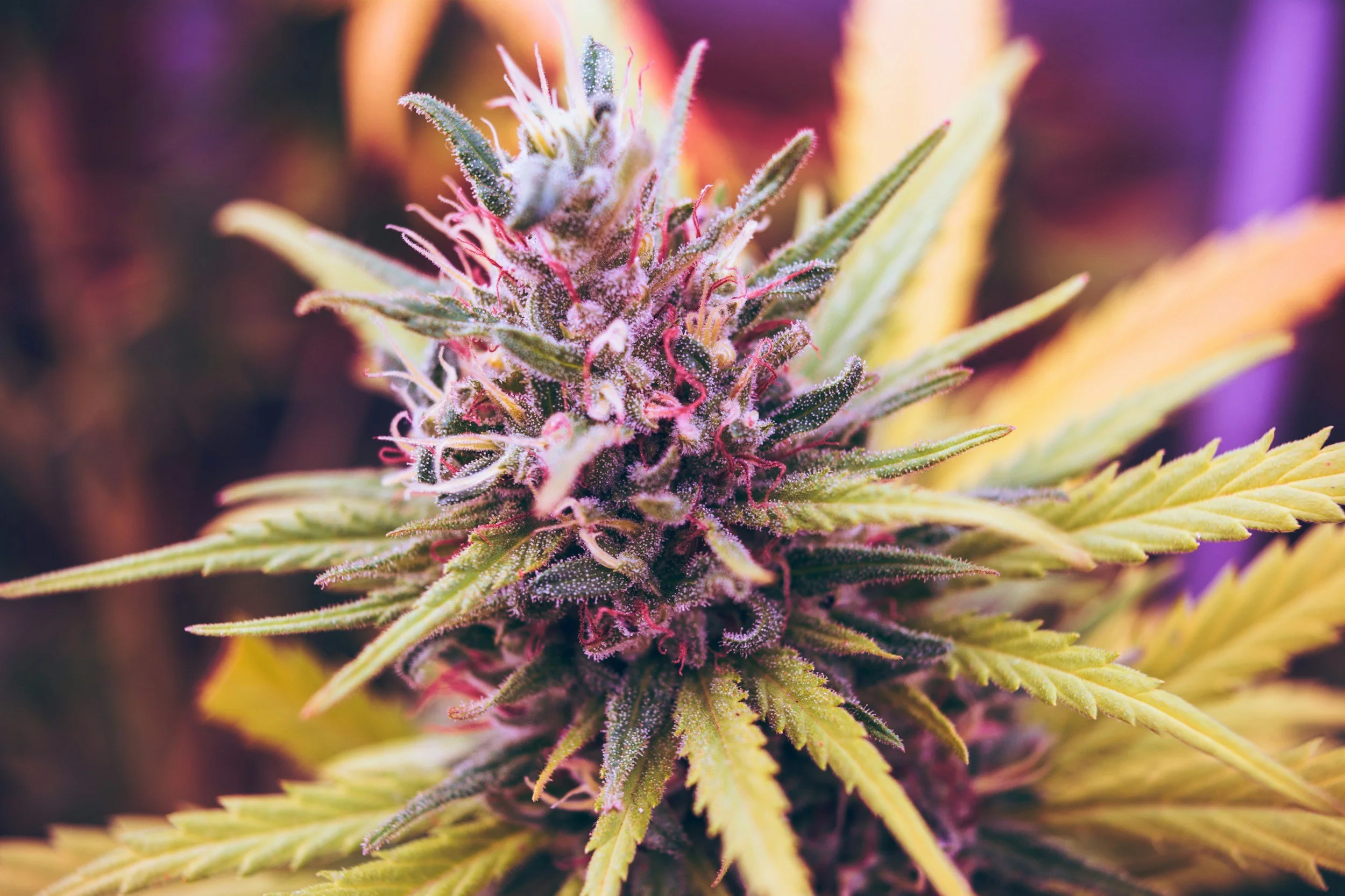
Cannabis has never been more accessible—or more potent—than it is today. For many teenagers, it has become normalized to the point where daily use feels harmless, even health‑promoting. As an addiction specialist, I see the consequences of this misconception every week. The cannabis of 2026 is not the cannabis of the 1990s, and the risks for developing brains are significantly higher.
This blog outlines what parents, caregivers, and professionals need to know: today’s potency, the real consequences of daily use, and whether harm reduction or complete abstinence is the most effective path forward for youth.

Trauma Therapy and Long‑Term Recovery: Why Healing the Wound Heals the Addiction
The longer I work in addiction treatment, the clearer one truth becomes: addiction is rarely the core problem — it is the coping mechanism. Beneath alcohol, cocaine, cannabis, pornography, gambling, or any compulsive behaviour, there is almost always unresolved trauma. Not always the dramatic kind people imagine, but often the quiet, chronic, emotional injuries that shape how a person sees themselves and the world.
This is why trauma therapy is not just helpful in recovery — it is essential. Without healing the wound, the symptom returns. When trauma is addressed directly, long‑term recovery becomes not only possible, but sustainable.

Non‑Alcoholic Drinks in Early Sobriety: A Helpful Harm‑Reduction Tool — But Not a Long‑Term Solution
In recent years, non‑alcoholic drinks have exploded in popularity. You can now find alcohol‑free beers, wines, spirits, mocktails, and craft beverages in almost every grocery store, bar, and restaurant. For people in early recovery, this trend can feel like a gift: finally, a way to participate socially without feeling deprived or singled out.
As an addiction therapist, I see the value these drinks can offer — especially in the early stages of sobriety. But I also see the risks. Non‑alcoholic drinks can be a harm‑reduction tool, but they are not a long‑term solution for stopping drinking. Understanding the difference is essential.

Naltrexone: A Powerful Tool — But Not the Whole Solution
Naltrexone is one of the most effective medications we have for supporting sobriety, but it is often misunderstood. It is not a cure, not a permanent fix, and not a replacement for personal growth. Instead, it functions as a biochemical safety net — an insurance policy that reduces the severity of relapse and helps people maintain long‑term sobriety while they build the emotional, behavioural, and psychological skills needed for lasting change.

When a Loved One Leaves Rehab: What Families Can Expect, What to Watch For, and How to Support Long‑Term Recovery
When someone you love completes a 30‑day or longer residential treatment program, it is natural to feel hopeful — even relieved. Rehab is a powerful intervention. It provides structure, safety, detox support, therapy, and distance from triggers. But as an addiction specialist, I remind families of a difficult truth:
Rehab is the beginning of recovery, not the completion of it.
The real work begins the moment your loved one walks out the door and re‑enters the world that fueled their addiction. Understanding what to expect — and how to support them — can make the difference between sustained recovery and relapse.

The Neurochemical Collision: Understanding the Triad of Alcohol, Cocaine, and Compulsive Pornography
Alcohol, cocaine, and compulsive pornography use form one of the most volatile and clinically challenging addiction combinations I see as a specialist. Each one independently alters the brain’s reward circuitry — but together, they create a feedback loop that accelerates tolerance, distorts sexual arousal patterns, and increases the likelihood of acting out on fetishes.

GLP‑1 Medications: How They Support Weight Loss, Influence Addiction Pathways, and Fit Into a Holistic Recovery Lifestyle
In recent years, GLP‑1 medications such as semaglutide and tirzepatide have become widely known for their ability to support weight loss. But for people in addiction recovery, these medications have sparked a different kind of conversation — one that goes beyond weight and into the deeper neurobiology of cravings, impulse control, and reward.
The Power of Family Support in Addition Recovery
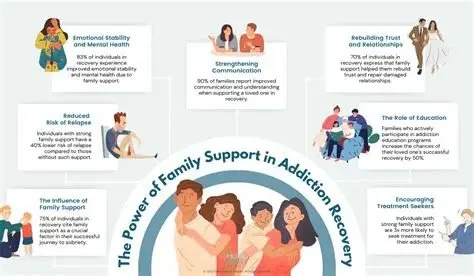
Loved ones cope best when they shift from trying to control the addicted person to trying to care for themselves and influence recovery through healthy boundaries.

Controlling Alcohol Intake: How to Recognize When It Becomes a Problem — And What Happens When You Stop for Good
Alcohol is woven into our culture so tightly that many people don’t realize when their relationship with it has shifted from “social” to “problematic.” Unlike other substances, alcohol hides in plain sight. It’s legal, normalized, and socially encouraged — which makes it especially difficult for someone to look honestly at their drinking and admit that it’s harming them.
But the truth is simple: when alcohol begins to change who you are, you’ve lost the privilege of drinking. And reclaiming your life begins with recognizing that shift.