
Teenagers and Cannabis: What Today’s Parents Need to Understand
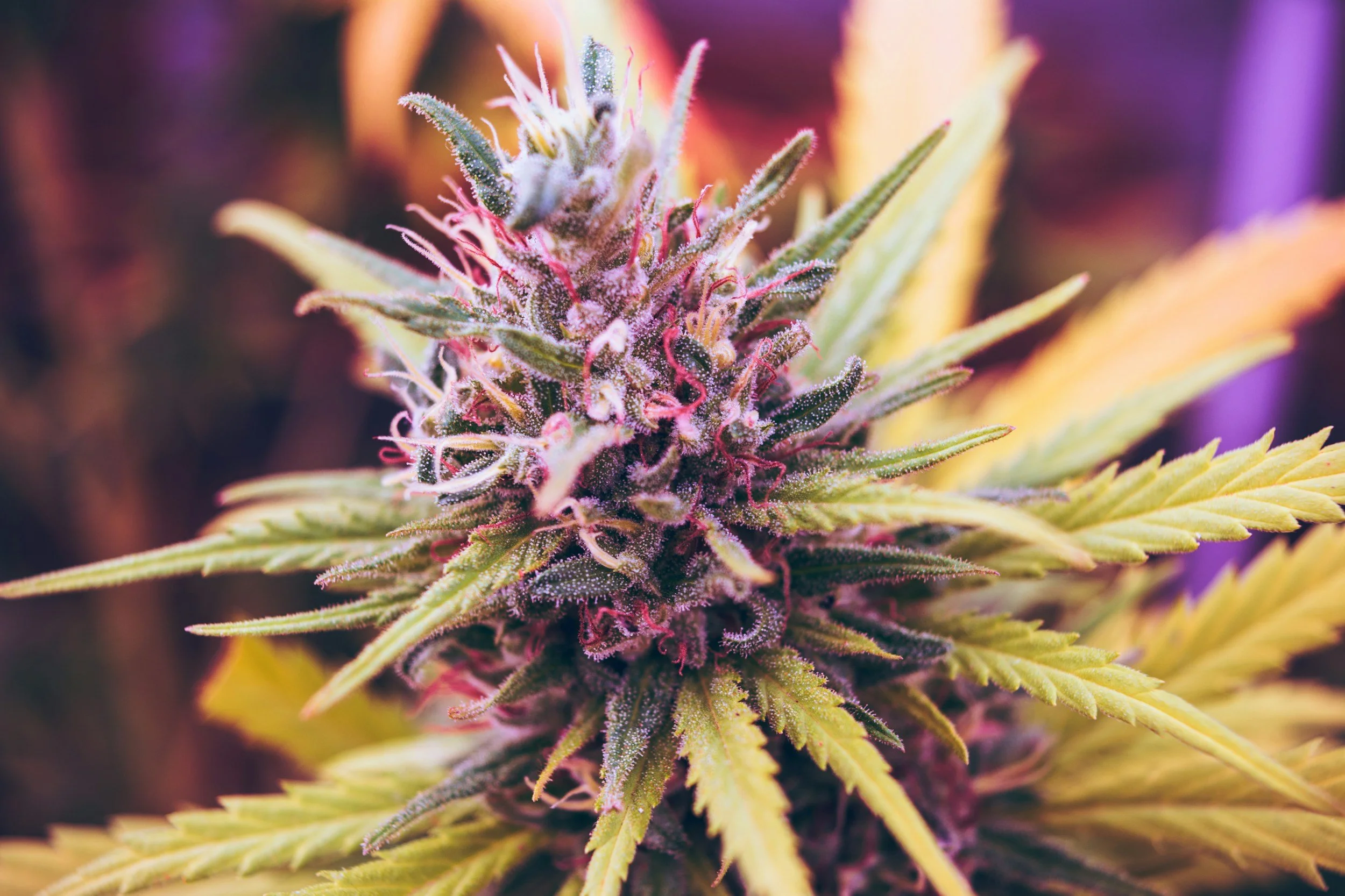
Cannabis has never been more accessible—or more potent—than it is today. For many teenagers, it has become normalized to the point where daily use feels harmless, even health‑promoting. As an addiction specialist, I see the consequences of this misconception every week. The cannabis of 2026 is not the cannabis of the 1990s, and the risks for developing brains are significantly higher.
This blog outlines what parents, caregivers, and professionals need to know: today’s potency, the real consequences of daily use, and whether harm reduction or complete abstinence is the most effective path forward for youth.
1. Today’s Cannabis Is Not the Same Drug Parents Remember
The average THC potency in the 1990s was roughly 3–5%. Today, dried flower commonly ranges from 20–30% THC, and concentrates (shatter, wax, oils, vapes) can reach 60–90% THC. These levels fundamentally change the drug’s impact on the adolescent brain.
High‑potency THC increases:
The intensity of intoxication
The likelihood of anxiety, panic, and paranoia
The risk of cannabis‑induced psychosis
The speed at which tolerance and dependence develop
For teens—whose brains are still undergoing critical development in the prefrontal cortex—these effects are amplified.
2. The Consequences of Daily Cannabis Use in Adolescence
Daily cannabis use is not benign. While not every teen will develop a substance use disorder, the risk is significantly higher for youth compared to adults.
Cognitive and Academic Impact
Reduced attention, concentration, and working memory
Lower academic performance and decreased motivation
Difficulty retaining new information
Impaired decision‑making and problem‑solving
These effects can persist even after stopping use, particularly when use began early and continued heavily.
Mental Health Risks
Increased anxiety and depressive symptoms
Heightened emotional dysregulation
Elevated risk of psychosis, especially in teens with genetic vulnerability
Worsening of pre‑existing mental health conditions
Cannabis is often used by teens to self‑medicate anxiety or mood issues, but daily use tends to exacerbate these problems over time.
Addiction and Dependence
Cannabis use disorder is real. Roughly 1 in 6 adolescents who use cannabis will develop problematic use patterns. Daily use, high‑potency products, and early onset dramatically increase this risk.
Signs include:
Inability to cut down
Using before school or activities
Withdrawal symptoms (irritability, insomnia, decreased appetite)
Prioritizing cannabis over responsibilities or relationships
Impact on Life Trajectory
Daily cannabis use during adolescence is associated with:
Lower educational attainment
Reduced career achievement
Higher likelihood of other substance use
Increased risk of legal or social consequences
These outcomes are not inevitable, but they are well‑documented patterns in longitudinal research.
3. Harm Reduction vs. Abstinence: What Actually Works for Teens?
Professionals often debate whether harm reduction or abstinence is the best approach for youth. In reality, the answer depends on the teen’s level of use, motivation, and risk factors.
Harm Reduction: When It Helps
Harm reduction can be valuable early in the conversation, especially when a teen is not ready to stop. It allows for engagement without confrontation.
Examples include:
Delaying first use
Reducing frequency
Avoiding high‑potency concentrates
Not mixing cannabis with alcohol
Not using before school, driving, or sports
Setting limits around vaping THC
Harm reduction can stabilize risk and open the door to deeper therapeutic work. It is often a starting point, not an endpoint.
The Limits of Harm Reduction
For teens using daily, harm reduction rarely resolves the underlying issues. Daily use almost always reflects:
Emotional avoidance
Anxiety or depression
Peer pressure
Identity formation challenges
Trauma or family stress
Emerging addiction
In these cases, harm reduction may slow the harm but does not eliminate it. The developing brain is simply too vulnerable.
Abstinence: The Most Effective Long‑Term Solution
For adolescents with daily use, escalating potency, withdrawal symptoms, or mental health deterioration, complete abstinence is the safest and most clinically effective path.
Abstinence allows:
Cognitive recovery
Emotional stabilization
Accurate diagnosis of underlying mental health issues
Rebuilding of motivation and functioning
Prevention of long‑term addiction
Importantly, abstinence is not just “not using.” It requires:
Therapy
Skill‑building
Family involvement
Structured routines
Supportive peer environments
Abstinence is not punitive—it is protective.
4. What Parents and Professionals Can Do
Learn the signs of problematic cannabis use
Understand how to talk to teens about cannabis without triggering defensiveness
Explore treatment options for youth cannabis addiction
Develop a harm‑reduction plan if abstinence is not yet achievable
Final Thoughts
Teen cannabis use is not a moral failing or a sign of bad parenting. It is a complex interplay of biology, environment, and development. But the risks of today’s high‑potency cannabis—especially with daily use—are too significant to ignore.
For some teens, harm reduction is a helpful bridge. For many, abstinence is the only path that truly protects their mental health, cognitive development, and future potential.