
Non‑Alcoholic Drinks in Early Sobriety: A Helpful Harm‑Reduction Tool — But Not a Long‑Term Solution
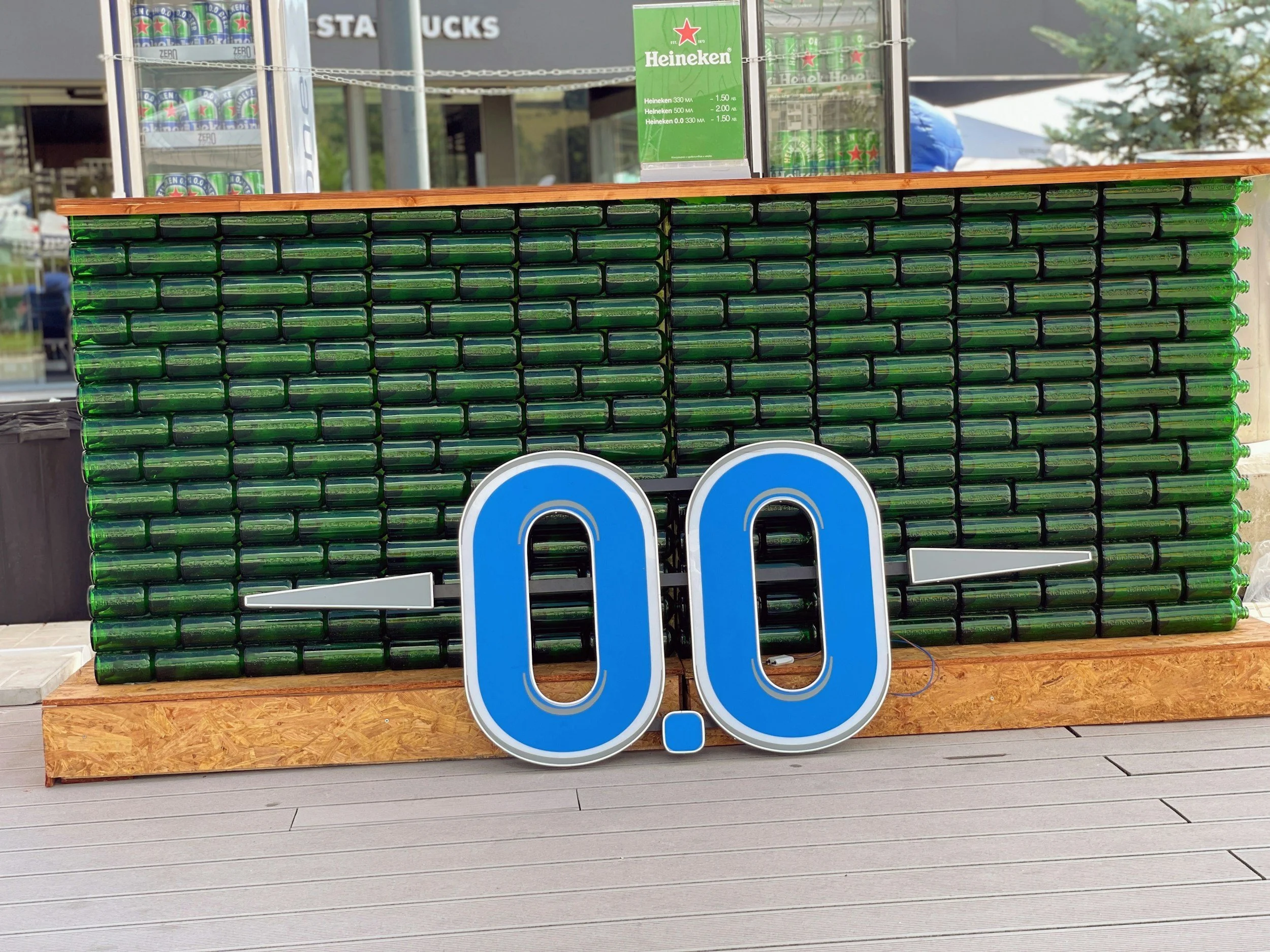
In recent years, non‑alcoholic drinks have exploded in popularity. You can now find alcohol‑free beers, wines, spirits, mocktails, and craft beverages in almost every grocery store, bar, and restaurant. For people in early recovery, this trend can feel like a gift: finally, a way to participate socially without feeling deprived or singled out.
As an addiction therapist, I see the value these drinks can offer — especially in the early stages of sobriety. But I also see the risks. Non‑alcoholic drinks can be a harm‑reduction tool, but they are not a long‑term solution for stopping drinking. Understanding the difference is essential.
Why Non‑Alcoholic Drinks Are Becoming So Popular
Non‑alcoholic beverages are gaining traction for several reasons:
1. They reduce social pressure
People in early sobriety often fear being asked:
“Why aren’t you drinking?”
“Just have one.”
“Are you okay?”
Holding a non‑alcoholic drink can eliminate those conversations entirely.
2. They provide a sense of normalcy
Sobriety can feel like a major identity shift. Non‑alcoholic drinks help people feel included, comfortable, and socially connected.
3. They offer a safer alternative
For someone who used to drink heavily, replacing alcohol with a non‑alcoholic version can reduce harm dramatically.
4. They support early habit change
Many people drank out of routine — not just addiction. Replacing the ritual can help break the pattern.
If you want more insight into early recovery habits, explore early sobriety coping strategies.
How Non‑Alcoholic Drinks Can Support Harm Reduction
Harm reduction is not about perfection — it’s about reducing risk while building healthier patterns. Non‑alcoholic drinks can help with:
1. Social comfort
They allow people to attend gatherings without feeling exposed or anxious.
2. Reducing cravings
For some individuals, the taste or ritual of a drink can satisfy the urge without triggering relapse.
3. Easing the transition
Going from daily drinking to complete abstinence can feel overwhelming. Non‑alcoholic drinks can soften the transition.
4. Supporting identity change
They help people feel like they still “fit in” while building a new sober identity.
5. Avoiding isolation
Isolation is a major relapse risk. Non‑alcoholic drinks can help people stay socially connected.
Explore relapse risk factors for more detail.
The Risks: Why Non‑Alcoholic Drinks Are Not a Long‑Term Solution
While non‑alcoholic drinks can help early on, they come with real risks — especially for chronic alcohol users.
1. They can trigger cravings
The taste, smell, and ritual can activate old neural pathways. For some people, this leads directly back to alcohol.
2. They maintain the ritual
Sobriety is not just about removing alcohol — it’s about removing the behavioural pattern around alcohol.
If the ritual stays the same, the brain may not fully detach from the addiction.
3. They can become a psychological crutch
People may rely on non‑alcoholic drinks to feel comfortable socially, instead of building genuine sober confidence.
4. They can blur boundaries
Some individuals begin with non‑alcoholic drinks and slowly drift back to “just one real drink.”
5. They can reinforce the identity of being a drinker
Long‑term recovery requires identity transformation. Non‑alcoholic drinks can keep people mentally tied to their old lifestyle.
Explore identity change in recovery for more insight.
Who Benefits Most From Non‑Alcoholic Drinks?
Non‑alcoholic drinks can be helpful for:
People in early sobriety
People using harm reduction
People who drank socially rather than compulsively
People who need a transitional tool
People who feel anxious in social settings
They are less helpful for:
Chronic alcoholics
People with severe cravings
People who drank to self‑medicate trauma
People who struggle with impulse control
People who relapse easily
A Healthy Approach: How to Use Non‑Alcoholic Drinks Safely
1. Use them intentionally
Not as a replacement for alcohol, but as a temporary support.
2. Monitor your emotional response
If they trigger cravings, stop immediately.
3. Use them socially, not privately
Private use can mimic old drinking patterns.
4. Build new rituals
Tea, sparkling water, kombucha, mocktails without alcohol branding — these are safer long‑term options.
5. Transition away from them over time
The goal is not to rely on substitutes forever.
Explore holistic recovery practices for healthier long‑term alternatives.
The Long‑Term Truth: Sobriety Requires More Than Substitutes
Non‑alcoholic drinks can help someone get through the early weeks or months of sobriety. But long‑term recovery requires:
Counseling
Fellowship
Structure
Emotional regulation
Identity change
Honesty
Connection
Purpose
Substitutes can help temporarily, but they cannot replace the deeper work of recovery.
Explore how fellowship supports recovery for more insight.
Final Thoughts
Non‑alcoholic drinks are a useful harm‑reduction tool — especially in early sobriety. They can reduce social pressure, ease anxiety, and help people feel included. But they are not a cure, not a long‑term strategy, and not a replacement for real recovery work.
Sobriety is not built on substitutes. It is built on connection, structure, healing, and growth.