
Acute vs. Chronic Alcoholism: Understanding the Differences, the Risks, and the Pathways to Recovery
Alcohol use disorder is not a single condition. It exists on a spectrum, and understanding where a person falls on that spectrum is essential for effective treatment. Two categories often guide clinical decision‑making: acute alcoholism and chronic alcoholism. While both are serious, they differ in severity, health consequences, and the strategies required for recovery.
Acute Alcoholism: The Early Stage of a Progressive Disorder
Acute alcoholism refers to individuals who:
Binge drink episodically
Lose control during drinking episodes
Experience blackouts or impaired judgment
Have emerging consequences (relationship strain, weight gain, anxiety, sleep disruption)
Do not yet drink daily or dependently
These individuals often maintain employment, family responsibilities, and social functioning. However, their drinking episodes are intense, risky, and escalating.
Key Characteristics of Acute Alcoholism
Loss of control during drinking episodes
Increasing tolerance
Emotional volatility after drinking
Shame and secrecy
Difficulty moderating once drinking begins
Periods of abstinence followed by binges
Acute alcoholism is highly treatable, and many individuals can learn to stop or moderate with structured support.
Acute alcoholism patterns
Chronic Alcoholism: The Advanced Stage
Chronic alcoholism is marked by:
Daily drinking
Physical dependence
Withdrawal symptoms
Significant health deterioration
Cognitive impairment
Loss of control over all aspects of life
This stage often includes:
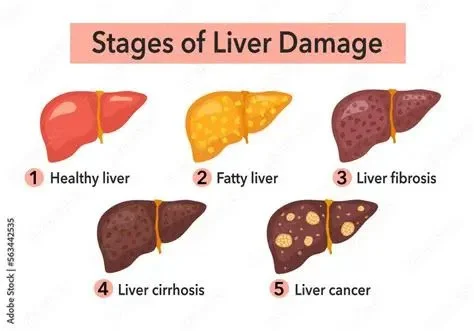
Liver disease
Cardiovascular strain
Neurological impairment
Gastrointestinal damage
Severe emotional dysregulation
Social and occupational collapse
Chronic alcoholism requires medical intervention, structured treatment, and long‑term abstinence.
Chronic alcoholism progression
Health Risks: Mind, Body, and Spirit
Alcohol affects every dimension of a person’s life. The risks differ in intensity between acute and chronic alcoholism, but the trajectory is similar.
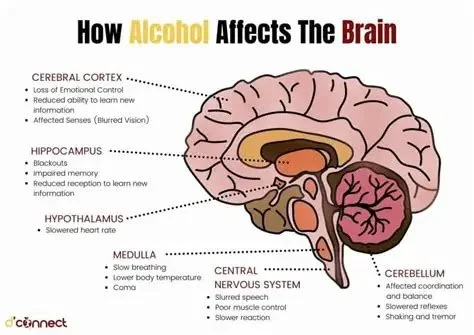
Mind
Alcohol disrupts:
Dopamine regulation
Impulse control
Emotional stability
Memory and concentration
Sleep architecture
Acute alcoholics often experience:
Anxiety
Shame
Mood swings
Cognitive fog
Chronic alcoholics may develop:
Alcohol‑related dementia
Persistent depression
Severe anxiety disorders
Impaired executive functioning
Alcohol and the brain
Body
Alcohol impacts nearly every organ system.
Acute alcoholics may experience:
Weight gain
Elevated blood pressure
Poor sleep
Gastrointestinal irritation
Hormonal disruption
Chronic alcoholics face:
Liver cirrhosis
Pancreatitis
Heart disease
Immune suppression
Neuropathy
Increased cancer risk
Alcohol and physical health
Spirit
Alcohol erodes:
Self‑esteem
Purpose
Identity
Connection
Integrity
Acute alcoholics often feel:
Shame
Fear of escalation
Internal conflict
Chronic alcoholics may feel:
Hopelessness
Isolation
Loss of meaning
Disconnection from values
Alcohol and spiritual wellbeing
Treatment Methods: Tailored to the Stage of Alcoholism
Effective treatment depends on whether the person is acute or chronic.
Treatment for Acute Alcoholism
Acute alcoholics often respond well to:
Structured moderation plans
Behavioural counselling
Trigger identification
Mindfulness and meditation
Exercise routines
Naltrexone as relapse insurance
Accountability systems
Many acute alcoholics can learn to stop completely or moderate safely, provided they develop:
Awareness
Emotional regulation
Healthy coping strategies
A clear relapse‑prevention plan
Moderation strategies Early sobriety counselling
Treatment for Chronic Alcoholism
Chronic alcoholism requires a more intensive approach:
Medical detoxification
Medication‑assisted treatment (naltrexone, acamprosate, etc.)
Long‑term abstinence
Trauma‑informed therapy
Group support
Lifestyle reconstruction
Family involvement
Moderation is not appropriate for chronic alcoholism. The brain and body require full abstinence to heal.
Chronic alcoholism treatment
How Acute Alcoholics Can Learn to Stop or Moderate
Acute alcoholism is a pivotal stage. With the right interventions, individuals can avoid progressing to chronic alcoholism.
Key Skills Acute Alcoholics Must Learn
Urge surfing
Mindfulness and meditation
Identifying emotional triggers
Setting drinking limits (if moderation is appropriate)
Practising abstinence during high‑risk periods
Using naltrexone strategically
Building a sober identity
Why Moderation Can Work for Some
Moderation is possible when:
There is no physical dependence
Withdrawal symptoms are absent
Drinking is episodic
The person has strong insight
There is accountability
There is a structured plan
Moderation is never recommended without professional assessment.
Moderation assessment
Final Thoughts
Acute and chronic alcoholism represent different points on the same spectrum. Acute alcoholism is a warning sign — but also an opportunity. With the right support, individuals can learn to stop or moderate before the disorder becomes chronic and life‑threatening.
Chronic alcoholism requires comprehensive medical and psychological care, but recovery remains possible with commitment.