
Supporting a Teenager Struggling With Substance Use: A Guide for Parents
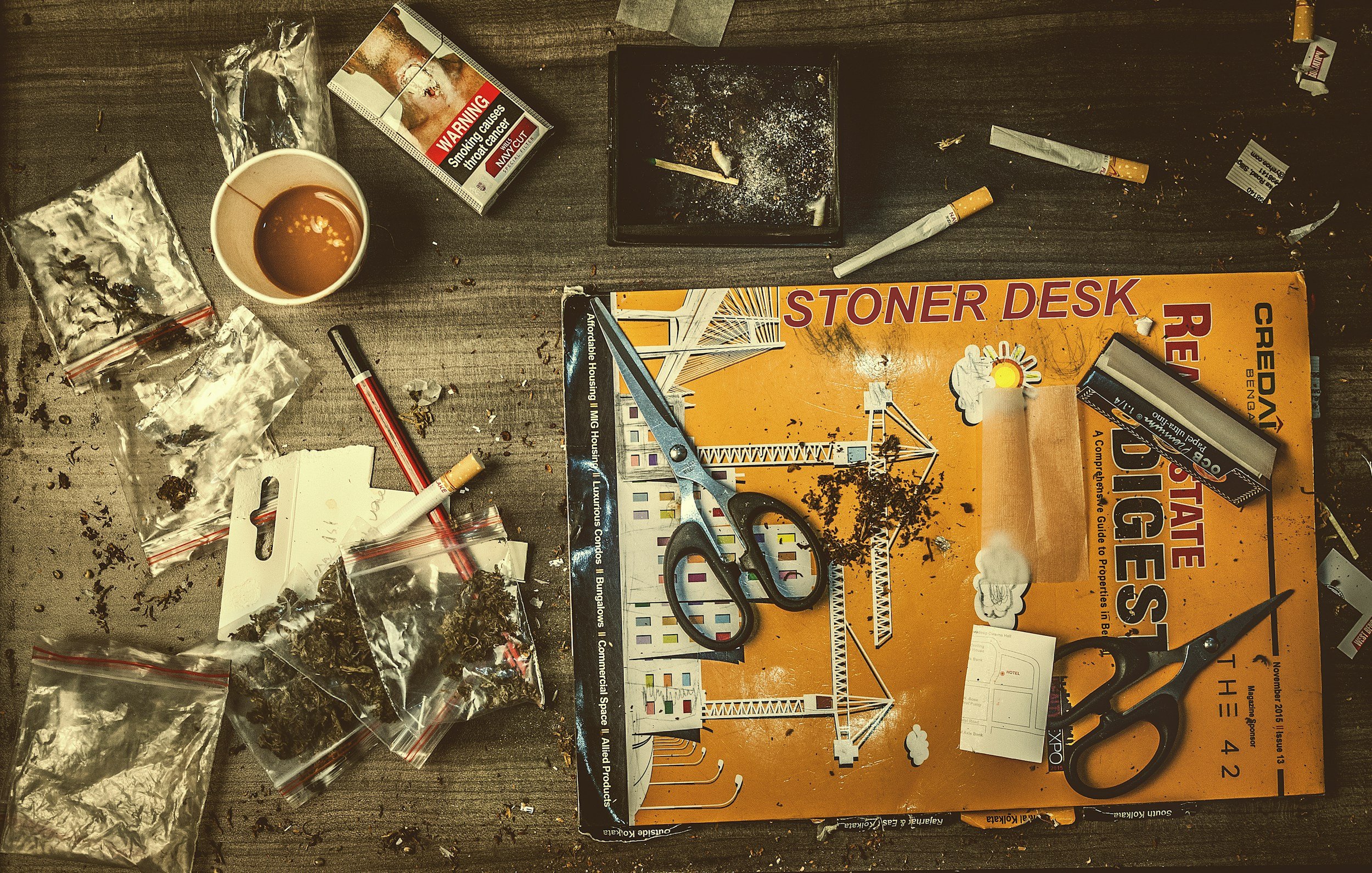
When a teenager begins misusing substances or engaging in compulsive behaviours, parents often feel fear, confusion, and helplessness. Today’s teens face a combination of risks that previous generations never encountered simultaneously: high‑potency cannabis, early alcohol exposure, immersive gaming environments, and unlimited access to pornography. Each of these can disrupt brain development — but together, they can create a powerful cycle of avoidance, emotional dysregulation, and dependency.
This blog outlines what parents need to understand, the consequences that help interrupt addiction, and the solutions that support abstinence and long‑term recovery.
Understanding the Modern Teen Addiction Landscape
Teen addiction today is rarely about one substance. It is usually a cluster of behaviours that reinforce each other:
Cannabis: extremely high THC potency, emotional blunting, amotivation, anxiety, and cognitive impairment.
Alcohol: binge patterns, blackouts, impulsivity, and increased risk‑taking.
Gaming: dopamine overstimulation, sleep disruption, social withdrawal, and academic decline.
Pornography: compulsive use, distorted sexual development, secrecy, and shame.
These behaviours share a common thread: they hijack the developing reward system, making real‑life responsibilities feel overwhelming and real‑life pleasures feel dull.
Explore teen brain development for deeper insight.
Why Teenagers Are So Vulnerable
Between ages 13 and 25, the brain undergoes rapid development in areas responsible for:
Decision‑making
Impulse control
Emotional regulation
Long‑term planning
Substances and behavioural addictions interfere with these processes. The teen brain is primed for novelty, stimulation, and risk, making it uniquely susceptible to:
Peer pressure
Escapism
Instant gratification
Avoidance of discomfort
Understanding this vulnerability helps parents respond with clarity rather than panic.
The Warning Signs Parents Should Not Ignore
Parents often notice subtle changes before the problem becomes obvious:
Declining grades
Isolation in the bedroom
Mood swings or irritability
Secretive behaviour
Loss of interest in sports or hobbies
Staying up late gaming or watching explicit content
Smell of cannabis or alcohol
Defensiveness when questioned
These signs indicate a teen who is struggling internally, not a teen who is “bad” or “rebellious.”
Explore early addiction indicators.
How These Behaviours Reinforce Each Other
Cannabis + Gaming
Cannabis increases dissociation and makes gaming more immersive. Gaming provides escape from responsibilities, reinforcing cannabis use.
Alcohol + Pornography
Alcohol lowers inhibitions and increases impulsivity, making pornography use more compulsive and risky.
Cannabis + Pornography
High‑potency THC intensifies sexual stimulation, leading to escalating pornography use and distorted sexual development.
Gaming + Pornography
Both overstimulate dopamine pathways, creating tolerance and emotional numbness.
This combination can quickly become a closed loop of avoidance, where the teen escapes discomfort through substances and screens rather than developing coping skills.
Explore dopamine overstimulation.
The Consequences Parents Must Set to Interrupt Addiction
Consequences are not punishments — they are boundaries that protect the teen’s future. Addiction thrives in environments with no limits, no accountability, and no discomfort.
Effective consequences include:
1. Removing access to substances
No cannabis, alcohol, or paraphernalia in the home. Parents must monitor and secure the environment.
2. Restricting gaming time
Clear limits, device removal at night, and structured screen‑free periods.
3. Blocking pornography access
Parental controls, supervised devices, and accountability software.
4. Mandatory participation in counselling
Counselling becomes a condition of privileges (phone, gaming, transportation).
5. Curfews and structured routines
Addiction thrives in chaos; recovery thrives in structure.
6. Consequences for dishonesty
Lying is a symptom of addiction. Consequences must be consistent and calm.
7. Temporary removal from high‑risk peers
Teens often relapse through peer environments. Parents must intervene.
These consequences create friction, slowing down addictive momentum and forcing the teen to confront reality.
Solutions That Support Abstinence
Abstinence is the safest and most effective path for teens. Their brains are still developing, and moderation is rarely successful at this age.
1. Professional Counselling
A therapist trained in teen addiction can address:
Anxiety
Depression
Trauma
Impulse control
Shame
Social challenges
2. Family Counselling
Addiction affects the entire household. Family counselling improves communication, boundaries, and consistency.
3. Structured Daily Routine
Teens need:
Regular sleep
Physical activity
Academic structure
Screen‑free time
Healthy social interaction
4. Removal of High‑Risk Triggers
This includes:
Unsupervised late nights
Bedrooms with gaming consoles
Unlimited phone access
Peer groups using substances
5. Accountability Systems
Weekly check‑ins, written agreements, and clear expectations reduce conflict and ambiguity.
6. Healthy Replacement Activities
Sports, music, volunteering, and part‑time work help rebuild identity and confidence.
Explore teen recovery activities.
What Parents Must Remember
1. Addiction is not a moral failure
It is a brain‑based disorder that requires structure, support, and boundaries.
2. Your teen is not choosing addiction
They are choosing relief from discomfort. Recovery teaches healthier ways to cope.
3. You cannot rescue them alone
Professional support is essential.
4. Consequences are an act of love
They protect your teen from long‑term harm.
5. Consistency matters more than intensity
Calm, predictable boundaries work better than emotional reactions.
Final Thoughts
Teen addiction is frightening, but it is also highly treatable. With clear boundaries, structured consequences, professional support, and a united parental approach, teenagers can achieve abstinence and rebuild their lives. The goal is not perfection — it is progress, stability, and the development of healthy coping skills that will serve them into adulthood.