
The Power of Family Support in Addition Recovery
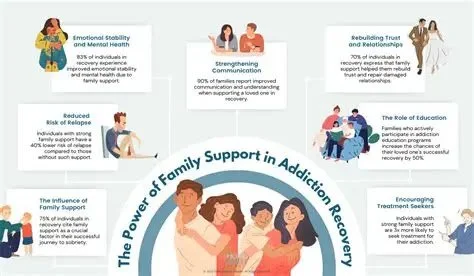
How Loved Ones Cope With Addiction
Takeaway: Loved ones cope best when they shift from trying to control the addicted person to trying to care for themselves and influence recovery through healthy boundaries.
The emotional reality
Addiction creates chaos. Loved ones often experience:
Hypervigilance
Anxiety and sleeplessness
Shame or secrecy
Financial strain
Loss of trust
Spiritual disconnection or hopelessness
These reactions are normal. They are not signs of weakness — they are signs of caring deeply in a situation that feels out of control.
The shift that changes everything
The most powerful shift is moving from rescuing to responding. Rescuing tries to prevent consequences. Responding allows consequences to teach.
This shift is the foundation of healthy coping.
Strengthening Your Own Spiritual Condition
Takeaway: You cannot heal someone else’s addiction, but you can heal the spiritual erosion it causes in you.
Here are the most effective pathways:
1. Reconnect with grounding practices
Daily reflection, meditation, or prayer
Journaling to separate your feelings from their actions
Spending time in nature or quiet spaces
Rebuilding routines that addiction disrupted
These practices help restore a sense of inner stability.
2. Rebuild your support system
Attend groups like family support groups
Speak with a therapist specializing in addiction
Confide in trusted friends or spiritual mentors
Isolation is one of addiction’s most powerful weapons. Connection is the antidote.
3. Release responsibility for their choices
This is the hardest spiritual task. You are responsible for:
Your boundaries
Your safety
Your emotional and spiritual health
You are not responsible for:
Their sobriety
Their relapse
Their willingness to seek help
Letting go is not abandonment — it is acceptance.
When to Walk Away
Takeaway: Walking away is not a failure. It is sometimes the only way to preserve your safety, sanity, and dignity.
You may need distance when:
The person becomes verbally, emotionally, or physically unsafe
You are being manipulated or financially exploited
Your mental health is deteriorating
Children are being harmed or exposed to instability
You have repeated the same boundary dozens of times with no change
Walking away can be temporary or permanent. It can be emotional distance, physical distance, or both.
A healthy question to ask yourself is: “Am I helping them recover, or am I helping them stay sick?”
If the answer is the latter, distance may be necessary.
How Consequences Help — Including Monitoring or Surveillance
Takeaway: Consequences are not punishments. They are reality-based feedback that addiction tries to shield people from.
Why consequences matter
Addiction thrives when:
There are no limits
Someone else absorbs the fallout
The person never has to face the impact of their behavior
Consequences interrupt denial. They create moments of clarity. They often become the turning point.
What effective consequences look like
Refusing to give money
Not lying or covering for them
Requiring treatment as a condition of living at home
Calling emergency services when safety is at risk
Setting clear boundaries around contact
These are healthy, not punitive.
When monitoring or surveillance is appropriate
This is a sensitive topic, but in some cases, accountability tools can be part of recovery. Examples include:
Breathalyzers or alcohol monitoring devices
GPS tracking for individuals who wander or disappear during binges
Phone monitoring for teens or vulnerable adults
Drug testing as part of a treatment agreement
These tools are most effective when:
They are part of a clear boundary agreement
The person understands the purpose is safety and accountability
They are paired with treatment, not used as a substitute
Monitoring should never be used secretly unless safety is at immediate risk. Transparency builds trust; secrecy destroys it.
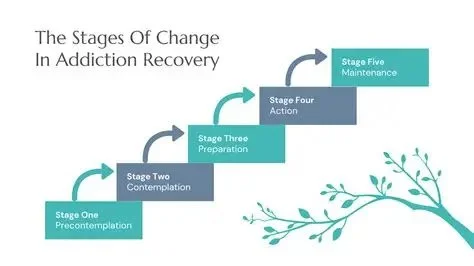
A Practical, Compassionate Framework for Loved Ones
Below is a structured guide you can follow when navigating addiction in someone you care about.
01
Stabilize Your Own Well‑Being
Foundational
You cannot support someone else’s recovery if you are spiritually or emotionally depleted.
Rebuild daily grounding practices such as reflection or meditation
Seek support from family recovery groups
Reconnect with people and activities that nourish you
02
Set Clear, Compassionate Boundaries
Essential
Boundaries protect your well-being and create conditions where recovery becomes possible.
Say: "I love you, and because I love you, I cannot support behaviors that harm you or me. Here is what I can and cannot do."
Define what you will no longer enable
Communicate boundaries calmly and consistently
Follow through even when it’s uncomfortable
03
Allow Natural Consequences
Sensitive
Consequences help break denial and motivate change.
Stop rescuing or covering for harmful behavior
Let financial, legal, or relational consequences unfold
Use accountability tools (testing, monitoring) transparently when appropriate
04
Evaluate When Distance Is Necessary
High Risk
Sometimes stepping back is the only way to protect yourself and encourage recovery.
Say: "I care about you deeply, but I cannot stay in this situation unless you seek help. I’m stepping back for my own safety and peace."
Watch for signs of emotional or physical danger
Consider temporary or long-term separation
Prioritize children’s safety and stability
05
Support Recovery, Not Addiction
Healing
Your role is to encourage treatment and celebrate progress, not to control outcomes.
Offer help accessing treatment or therapy
Reinforce healthy behaviors and milestones
Maintain your own boundaries even during recovery
Final Thoughts
Addiction is a family illness, but recovery can be a family transformation. Your spiritual health matters. Your boundaries matter. Your safety matters. And sometimes the most loving act is the hardest one — stepping back so the person you love can step forward.