
The Developing ADHD Brain: Why Cannabis, Alcohol, and Pornography Create a Trap — and How Total Abstinence Supports Healthy Maturation
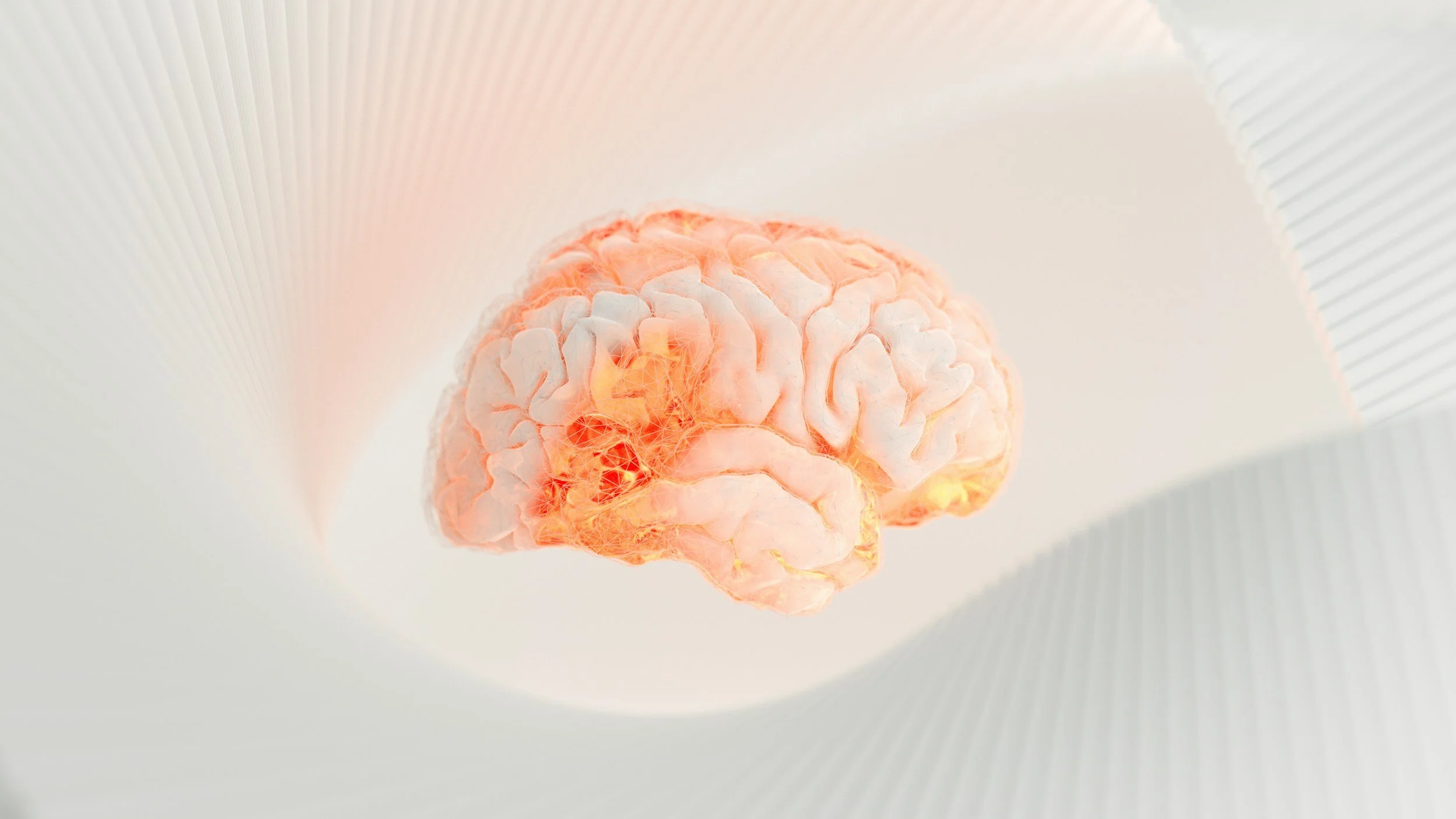
The ADHD brain is remarkable, creative, fast‑moving, and deeply sensitive. But it is also still developing well into the mid‑twenties, especially in areas responsible for impulse control, emotional regulation, and long‑term decision‑making. When substances or compulsive behaviours enter the picture during this developmental window, the brain becomes vulnerable to patterns that are difficult to break.
As an addiction specialist, I see this intersection often: a young person with ADHD, a still‑maturing brain, and the lure of cannabis, alcohol, and pornography. Together, these create a neurological trap that can derail emotional growth, motivation, and identity.
This blog explains how the ADHD brain develops, why these behaviours are uniquely harmful during maturation, how the trap forms, and how to break free through total abstinence and structured recovery.
1. The ADHD Brain and Delayed Maturation
The ADHD brain develops differently from neurotypical brains. Research consistently shows:
The prefrontal cortex matures later, often not fully developed until age 25–28.
Dopamine pathways are underactive, making stimulation more appealing and more reinforcing.
Impulse control networks lag behind, increasing risk-taking behaviours.
Emotional regulation circuits are more reactive, making stress feel overwhelming.
Executive functioning skills develop slowly, affecting planning, consistency, and follow‑through.
This does not mean the ADHD brain is deficient — it means it is developing on a different timeline, and therefore more vulnerable to substances and compulsive behaviours during adolescence and early adulthood.
Explore ADHD and addiction risk for deeper insight.
2. The Pitfalls of Cannabis, Alcohol, and Pornography in the Developing ADHD Brain
These three behaviours create a powerful reinforcement loop because they directly target dopamine — the very neurotransmitter ADHD brains struggle to regulate.
Cannabis
Reduces motivation
Impairs working memory
Increases emotional avoidance
Worsens executive functioning
Creates dependency on external calming
Alcohol
Lowers inhibition
Intensifies impulsivity
Disrupts sleep and emotional regulation
Increases risk of binge patterns
Reinforces escape‑based coping
Pornography
Floods the brain with dopamine
Creates compulsive reward‑seeking
Hardwires visual memory loops
Distorts intimacy and attachment
Increases shame‑based avoidance
Together, these behaviours create a dopamine–glutamate trap — a neurological cycle that reinforces craving, compulsion, and emotional instability.
Explore dopamine dysregulation.
3. Why This Trap Is So Difficult to Break
The trap forms because the developing ADHD brain:
Learns quickly
Reinforces patterns intensely
Struggles with impulse control
Craves stimulation
Avoids discomfort
Responds strongly to dopamine spikes
Has difficulty pausing before acting
Uses substances or pornography to regulate emotions
Builds habits faster than it breaks them
Experiences withdrawal as emotional chaos rather than physical symptoms
This makes the trap insidious — it feels psychological, but it is deeply neurological.
Explore relapse warning signs.
4. How to Break the Trap
Breaking the trap requires structure, connection, and abstinence. The ADHD brain thrives when recovery is consistent and predictable.
1. Total abstinence
Stopping one behaviour but continuing another keeps the trap alive.
2. A sober community
Connection rewires the brain faster than isolation. Explore fellowship in recovery.
3. Professional counselling
Therapy helps rebuild emotional regulation and coping skills.
4. Daily structure
Routine stabilizes dopamine and reduces impulsivity.
5. Accountability
Check‑ins, meetings, and honest conversations interrupt relapse patterns.
6. Emotional honesty
The trap weakens when the person stops hiding their feelings.
7. Values‑based living
Purpose strengthens recovery.
8. Avoiding high‑risk environments
Old cues trigger glutamate memories instantly.
9. Physical activity
Exercise stabilizes dopamine and improves executive functioning.
10. Identity reconstruction
The person must become someone who no longer identifies with using.
Explore identity change in recovery.
5. The Benefits of Total Abstinence in the Developing ADHD Brain
Total abstinence is not about deprivation — it is about protecting the brain during its most important developmental years.
1. Improved executive functioning
Planning, focus, and follow‑through strengthen.
2. Enhanced emotional regulation
Mood swings decrease; stability increases.
3. Stronger impulse control
The prefrontal cortex develops without interference.
4. Clearer identity formation
The young person discovers who they are without substances.
5. Increased long‑term resilience
The brain becomes more capable of handling stress, relationships, and responsibility.
Explore holistic recovery practices.
Final Thoughts
The ADHD brain is still developing well into the mid‑twenties. Cannabis, alcohol, and pornography interfere with this maturation by hijacking dopamine, weakening impulse control, and reinforcing avoidance. The trap they create is difficult — but absolutely possible — to break.
Total abstinence gives the developing brain the chance to mature fully, stabilize emotionally, and build a life that is healthy, connected, and free.