
Non‑Alcoholic Beverages in Recovery: A Helpful Tool or a Hidden Risk?
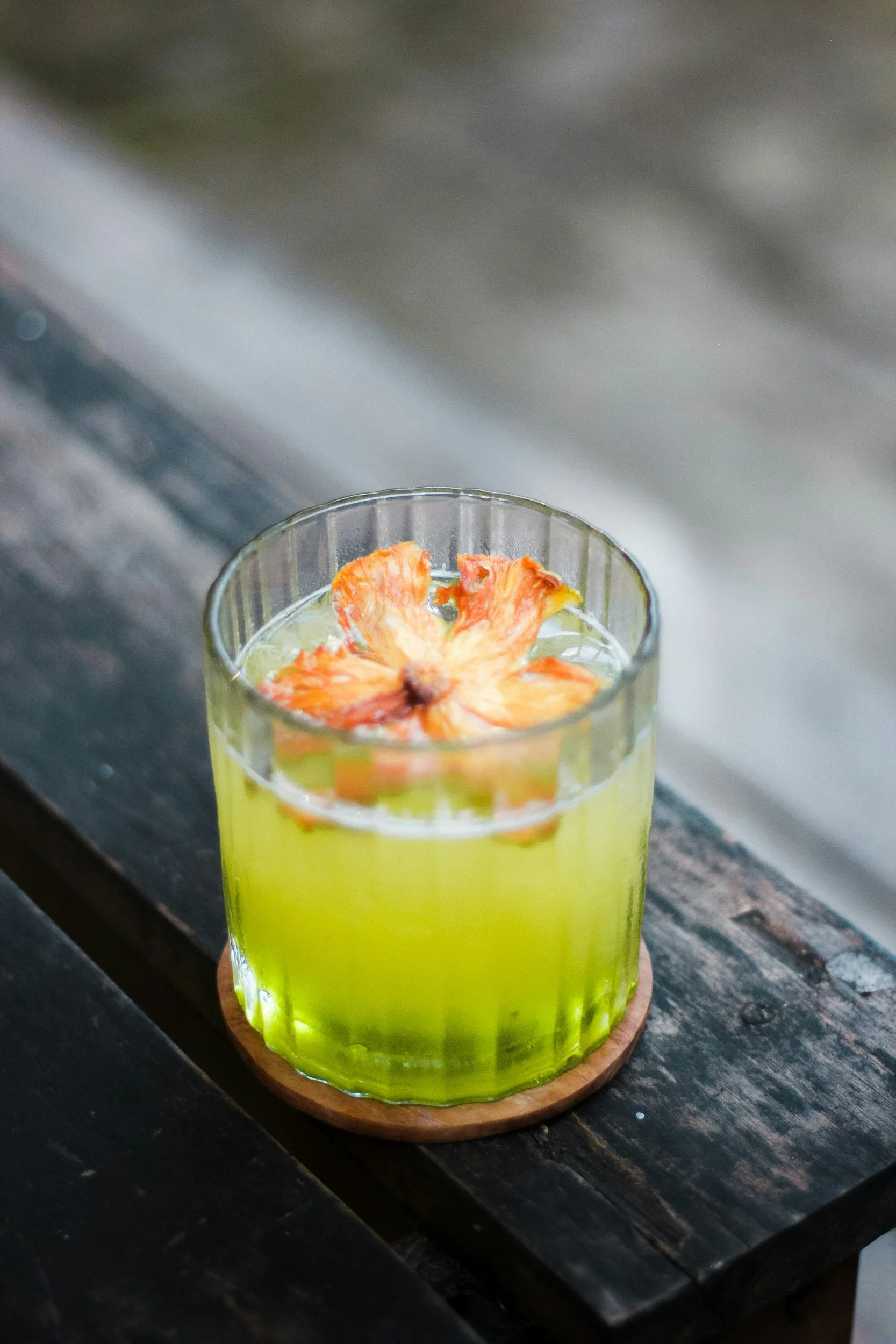
For many people in early recovery, the world of non‑alcoholic (NA) beverages can feel like a lifeline — a way to participate socially without jeopardizing sobriety. As an addiction specialist, I’ve seen NA drinks play a meaningful role in harm reduction, confidence building, and social reintegration. I’ve also seen them become a slippery slope when used without awareness, support, or accountability.
Like most things in recovery, the key is intention, timing, and honesty.
Why Non‑Alcoholic Beverages Can Help in Recovery
1. They support harm reduction
Not everyone enters recovery with the same goals.
Some people aim for lifelong abstinence.
Others aim to reduce harm, reduce frequency, or break binge‑drinking cycles.
NA beverages can:
Reduce cravings for alcohol
Provide a familiar taste without intoxication
Help people stay socially connected
Offer a safer alternative during stressful moments
For individuals transitioning out of heavy drinking, NA options can be a bridge — not a destination, but a step toward healthier coping.
2. They help reduce the “odd one out” feeling
Early sobriety can feel socially awkward.
Holding a drink that looks like everyone else’s can reduce:
Social pressure
Questions
Feelings of isolation
This can make early recovery more sustainable.
3. They can replace ritual without replacing intoxication
Alcohol is often tied to:
Routine
Stress relief
Celebration
Winding down
NA beverages can help maintain the ritual while removing the risk.
But There Are Risks — And They Must Be Taken Seriously
1. Some NA beverages contain alcohol
Many “non‑alcoholic” drinks still contain up to 0.5% alcohol.
For most people, this won’t cause intoxication — but for someone in early recovery, even trace amounts can:
Trigger cravings
Reignite old neural pathways
Create psychological associations with drinking
It’s essential to read labels carefully and choose 0.0% options when possible.
2. They can trigger sensory memories
The smell, taste, and ritual of drinking can activate:
Craving circuits
Emotional memories
Old coping patterns
This is especially true in the first 3–6 months of sobriety, when the brain is still recalibrating.
3. They can become a substitute addiction
If someone begins relying on NA beverages to:
Cope with stress
Avoid emotions
Manage anxiety
Get through conflict
…then the drink is no longer a tool — it’s a crutch.
Recovery is about building new coping skills, not swapping one dependency for another.
The Role of Counselling and Accountability
No matter how helpful NA beverages can be, they are not a replacement for:
Therapy
Support groups
Accountability partners
Honest conversations
Emotional skill‑building
In early sobriety, the brain is still healing.
Stress tolerance is lower.
Triggers are stronger.
Decision‑making can be fragile.
This is why ongoing counselling is essential.
A therapist or addiction specialist helps a person:
Understand why they drank
Build healthier coping strategies
Identify triggers
Strengthen emotional regulation
Stay accountable
NA beverages can support recovery — but they cannot create recovery.
When NA Beverages Are Most Helpful
They tend to work best when:
The person has at least a few months of sobriety
Cravings are manageable
Emotional coping skills are improving
The individual is honest about their motives
They are used occasionally, not compulsively
They are least helpful when:
Someone is newly sober
Cravings are intense
Drinking was tied to trauma or emotional escape
The person is using NA drinks to numb stress
A Healthy Approach to NA Beverages in Recovery
Here’s a balanced framework:
Use NA beverages intentionally, not impulsively
Ask: Why am I reaching for this?
Choose 0.0% options whenever possible
Avoid trace alcohol in early recovery.
Pair NA use with real coping skills
Meditation, grounding, journaling, exercise, and connection.
Discuss NA use openly in counselling
Secrecy is a red flag.
Monitor emotional reactions
If NA drinks increase cravings, stop immediately.
Final Thoughts
Non‑alcoholic beverages can be a useful harm‑reduction tool, especially for people who want to stay socially connected while reducing or eliminating alcohol. But they must be used with awareness, honesty, and support.
Recovery is not built on what’s in your glass — it’s built on:
Emotional growth
Accountability
Healthy coping
Connection
Self‑awareness
NA beverages can support that journey, but they cannot replace the inner work that makes sobriety sustainable.