
Blog

The Neurochemical Collision: Understanding the Triad of Alcohol, Cocaine, and Compulsive Pornography
Alcohol, cocaine, and compulsive pornography use form one of the most volatile and clinically challenging addiction combinations I see as a specialist. Each one independently alters the brain’s reward circuitry — but together, they create a feedback loop that accelerates tolerance, distorts sexual arousal patterns, and increases the likelihood of acting out on fetishes.

Why People With ADHD Chase Dopamine — And How They Can Find Healthier Ways to Regulate Their Minds
People with ADHD aren’t “weak,” “impulsive,” or “undisciplined.” They are dopamine‑deficient, and their brains are constantly trying to correct that imbalance. When you understand this, the entire pattern of ADHD behaviour suddenly makes sense: the restlessness, the impulsivity, the hyperfocus, the boredom intolerance, the thrill‑seeking, the late‑night scrolling, the addictions.
ADHD isn’t a character flaw.
It’s a neurochemical hunger.
And when dopamine is low, the brain will look for it anywhere it can find it.

Dopamine, Glutamate, and the Bondage of Addiction: Understanding the Cycle and Finding Freedom
Addiction is not a failure of character. It is not a lack of willpower. It is a brain‑based condition driven by two powerful chemicals: dopamine and glutamate. These two neurotransmitters—normally responsible for motivation, learning, and survival—become hijacked in addiction, creating a cycle that feels impossible to escape.
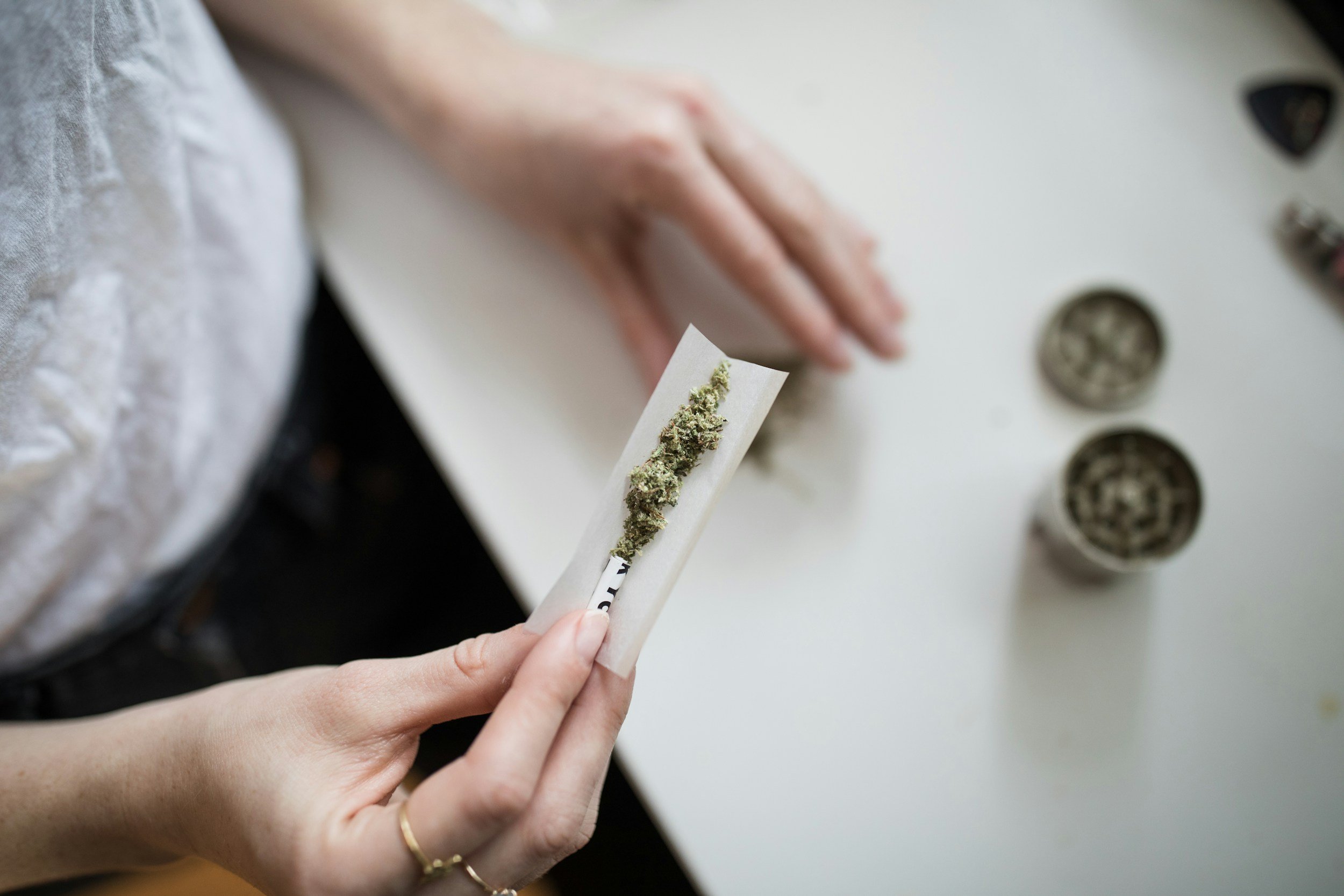
Cannabis Isn’t as Harmless as We Think: A Specialist’s View on Rising Psychosis, Daily Use, and the Path Out
Public opinion has shifted dramatically in the last decade. Cannabis is now widely viewed as natural, safe, and even therapeutic. As an addiction specialist, I understand why: legalization reduced stigma, medical use became mainstream, and many people use cannabis without obvious short‑term harm.

When Drinking Crosses the Line: Losing Control, Finding Hope, and the Path Back to Moderation
As an addiction specialist, I’ve worked with countless people who never imagined they would lose control with alcohol. They weren’t daily drinkers. They didn’t fit the stereotype of “an alcoholic.” They simply drank socially—until one day, they didn’t. What started as occasional overindulgence slowly became binge drinking, blackouts, risky decisions, and mornings filled with regret.
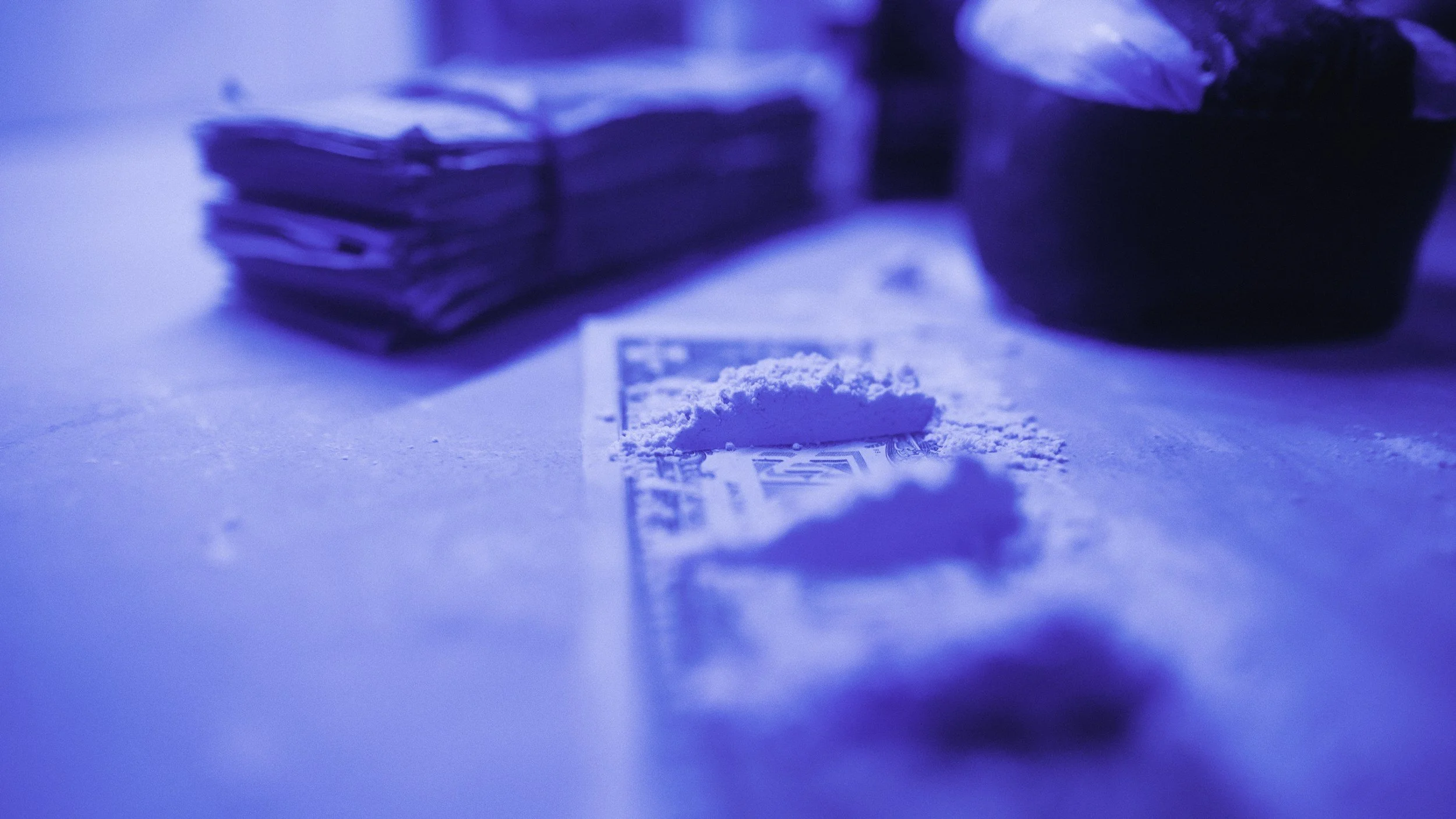
Why People Try Cocaine, Why It Hooks So Fast, and How Lasting Abstinence Is Possible
Cocaine is one of the most paradoxical substances people encounter: it offers instant euphoria, yet carries the potential for rapid psychological dependence. Many people wonder why anyone would try a drug with such obvious risks. The truth is more complex — and more human — than it may seem.
Below is a deeper look at why people try cocaine, what makes it uniquely addictive, and how someone can build a path toward lifelong abstinence.

Loving Someone With an Addiction: What Young People Need to Know About Boundaries, Consequences, and Emotional Survival
Being young and in love can feel intense, hopeful, and full of possibility. But when addiction enters the relationship, everything becomes heavier. As an addiction specialist, I’ve watched many young people try to carry the weight of their partner’s struggle on their own shoulders. They love deeply, they want to help, and they often believe they can be the one to “save” the person they care about.
But love alone can’t compete with addiction.
And that’s one of the hardest truths to learn.

Why Support From Loved Ones Is Essential in Addiction Recovery
When someone enters treatment for addiction, it’s easy to assume the professionals will take it from there. But from the perspective of an addiction specialist, recovery is not something that happens in isolation. Treatment provides structure, tools, and guidance — but the presence, support, and steady encouragement of loved ones often determines whether those tools take root.

Meditation in Recovery: A Daily Discipline That Rewires the Brain
Recovery is not just about removing alcohol or substances from your life — it’s about building a new internal foundation. Meditation is one of the most powerful tools we have for that transformation. As an addiction specialist, I’ve seen meditation help people stabilize cravings, regulate emotions, and rebuild a sense of inner safety that addiction often erodes.
Episode #272 of the Huberman Lab Podcast, where Dr. Andrew Huberman breaks down the neuroscience of meditation, offers a clear explanation of why meditation is so effective in recovery. His insights align beautifully with what we see clinically: meditation literally changes the brain in ways that support long‑term sobriety.
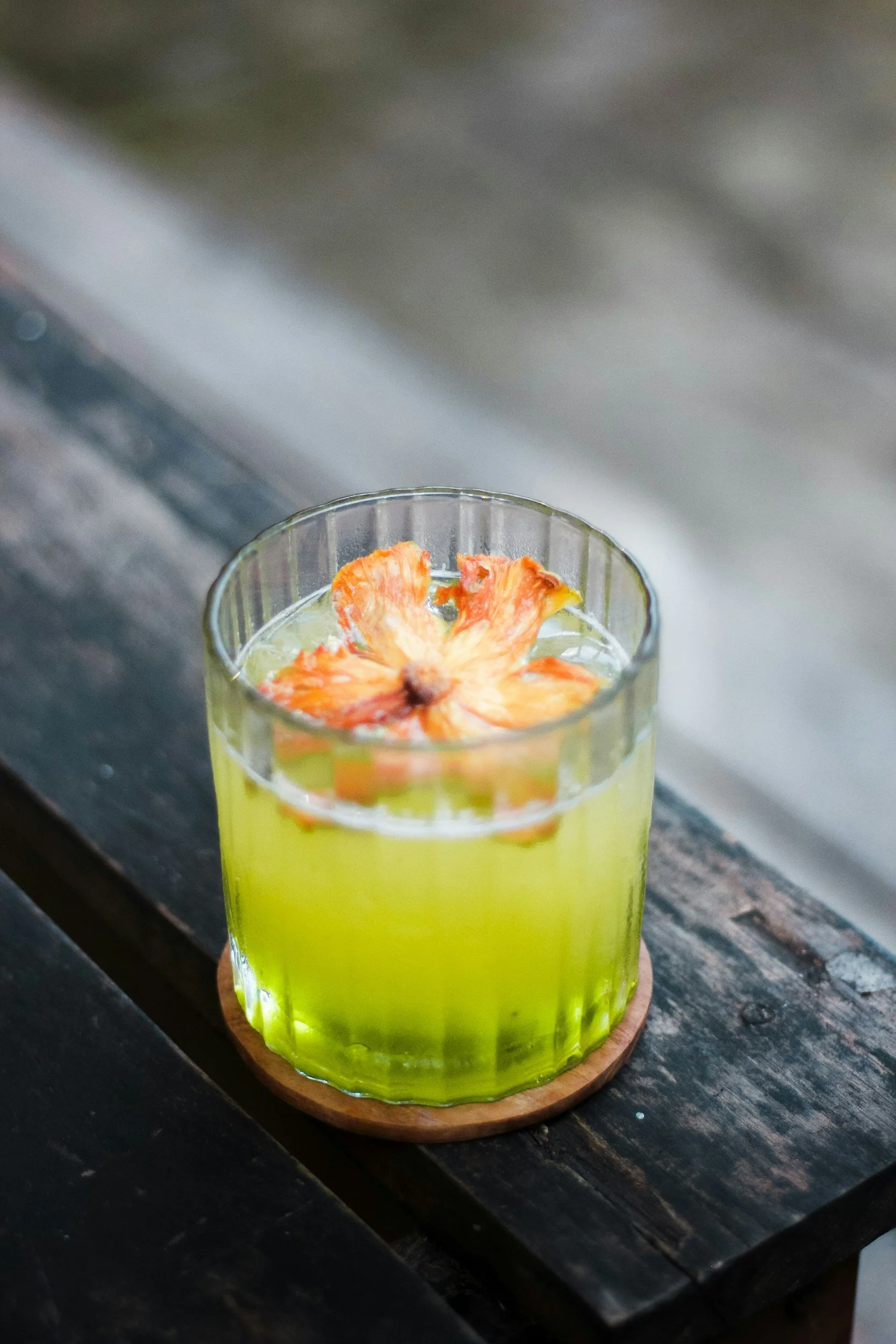
Non‑Alcoholic Beverages in Recovery: A Helpful Tool or a Hidden Risk?
For many people in early recovery, the world of non‑alcoholic (NA) beverages can feel like a lifeline — a way to participate socially without jeopardizing sobriety. As an addiction specialist, I’ve seen NA drinks play a meaningful role in harm reduction, confidence building, and social reintegration. I’ve also seen them become a slippery slope when used without awareness, support, or accountability.
Like most things in recovery, the key is intention, timing, and honesty.

Why Naltrexone Works at First — and Why It Can Stop Working: An Addiction Specialist’s Perspective
Naltrexone is one of the most widely studied medications used in the treatment of alcohol use disorder. When paired with counseling and recovery support, it can reduce cravings and help people break the cycle of heavy drinking. But it’s also a medication that many people misunderstand. It works well for some, works briefly for others, and for a portion of people, it doesn’t work at all.

Gratitude as a Cornerstone of RecoveryWhy Gratitude Is an Action—And How Humility Protects Sobriety
In addiction recovery, people often hear the phrase “practice gratitude.” It can sound cliché, almost too simple for something as complex as rebuilding a life. But from the perspective of an addiction specialist, gratitude is not a feel‑good slogan. It is a powerful behavioral tool that rewires thinking, stabilizes emotions, and strengthens the foundation of long‑term sobriety.
Why Cannabis Is Not a Harm‑Reduction Medication for AUD or SUDA
In recent years, cannabis has been promoted in some circles as a “safer alternative” to alcohol or other drugs. The idea sounds appealing: replace a harmful substance with something perceived as more natural or less dangerous. But from the standpoint of an addiction specialist, this approach is not only misleading—it can derail recovery and prolong suffering.

Why Meditation Is a Critical Part of Recovery — Especially in Polysubstance Addiction
Recovery from addiction is not just about stopping the substances. It’s about healing the mind, calming the nervous system, and rebuilding the internal stability that addiction slowly erodes. When someone has struggled with polysubstance use, the nervous system has often been pushed to its limits—stimulated, numbed, sedated, and overwhelmed in cycles that leave the brain in a constant state of dysregulation.

Trauma: The Hidden Engine of Addiction
Addiction rarely begins with a substance. It begins with a story.
A story of pain, overwhelm, fear, or emotional disconnection that the nervous system never had the chance to process. When I sit with clients struggling with addiction—whether to substances, gambling, pornography, food, or compulsive behaviours—the common thread is almost always trauma. Sometimes it’s obvious and dramatic. Other times it’s subtle, chronic, and invisible. But it’s there, shaping the brain, the body, and the choices that follow.
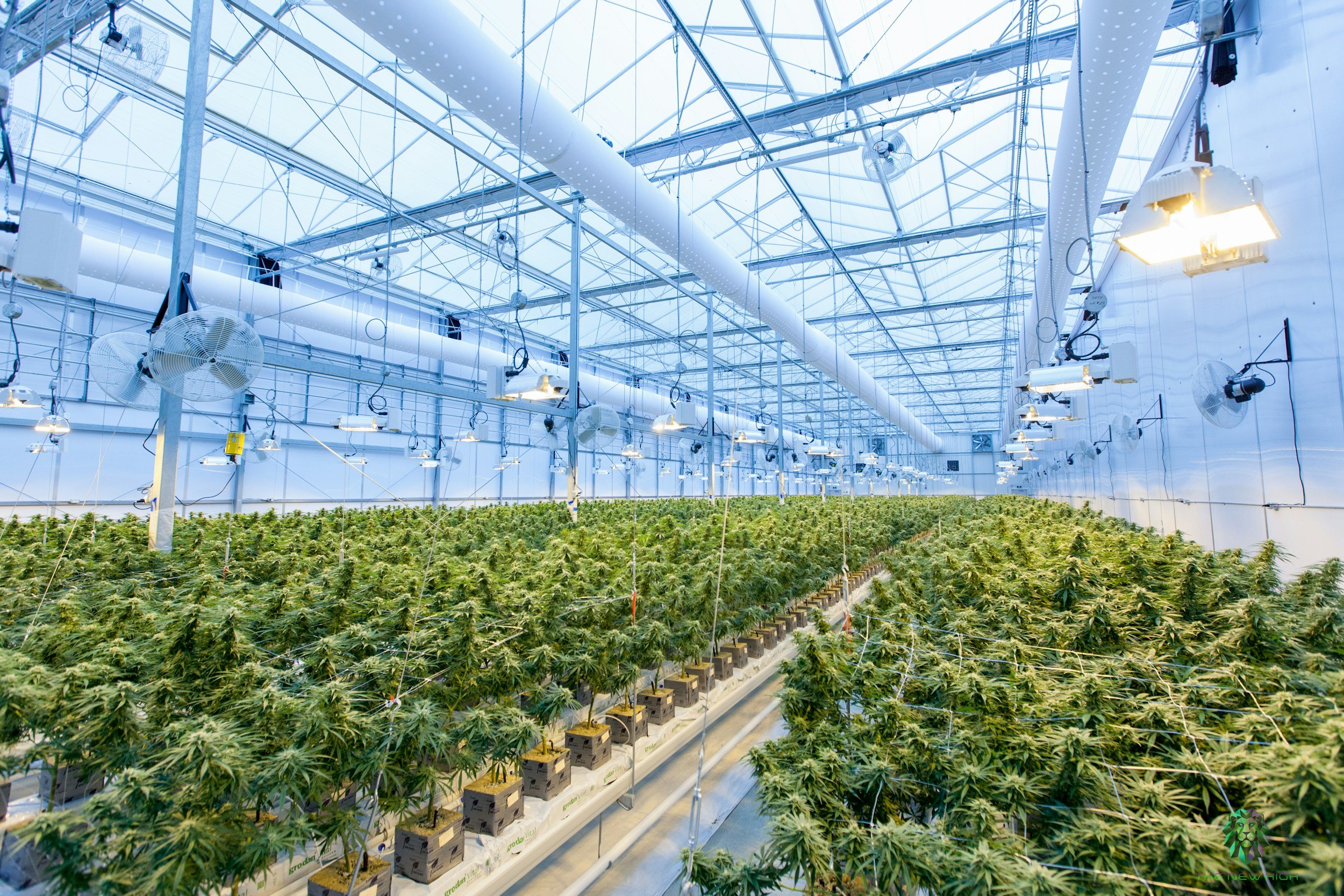
The Grip of Today’s Cannabis: Understanding Addiction and the Path to Freedom
By: An Addiction Specialist
Cannabis has changed dramatically over the past decade. What was once a mild, low‑potency plant has evolved into a highly engineered substance with THC concentrations far beyond what previous generations ever encountered. As potency has risen, so have the rates of dependence, withdrawal, and cannabis‑induced mental health crises.
In my practice, I see more people than ever struggling with cannabis addiction—often shocked that something they believed was “safe” has taken such a powerful hold on their lives.

Switching Your Drug of Choice: An Addiction Specialist’s Perspective
One of the most misunderstood aspects of addiction is the phenomenon of switching your drug of choice. Many people in recovery believe that if they stop using one substance—say alcohol—and replace it with another—like cannabis, stimulants, or even compulsive behaviors such as gambling or sex—they’re still making progress. In reality, this is often just addiction in disguise.

Loving Someone with Cocaine and Alcohol Addiction: A Message to the Spouse
If you’re married to someone battling cocaine and alcohol addiction, you already know the chaos it brings. The lies. The broken promises. The emotional rollercoaster. You’ve likely asked yourself, “How much more can I take?” And that’s not weakness—it’s wisdom.
Addiction is a disease, but it’s also a tornado. It doesn’t just destroy the person using—it pulls in everyone around them. As an addiction specialist, I’ve worked with countless spouses who are torn between love and survival. This blog is for you.

Dependence vs. Chronic Addiction: Understanding the Spectrum of Substance Use
In the world of addiction treatment, language matters. Words like dependence, addiction, acute use, and chronic use are often used interchangeably—but they describe very different experiences. Understanding these distinctions is not just academic; it’s essential for tailoring treatment, reducing stigma, and supporting recovery.

The Highs and Lows of Early Sobriety: Managing Stress and Over-Excitement
Early sobriety is a fragile, powerful time. For many, it feels like waking up after years of emotional numbness. Suddenly, everything is louder—joy, fear, hope, anxiety. But here’s the paradox: both stress and over-excitement can be dangerous in early recovery. As an addiction specialist, I’ve seen how these emotional extremes can trigger relapse if not understood and managed.
Let’s explore why this happens—and how to stay grounded while rebuilding your life.