
Blog
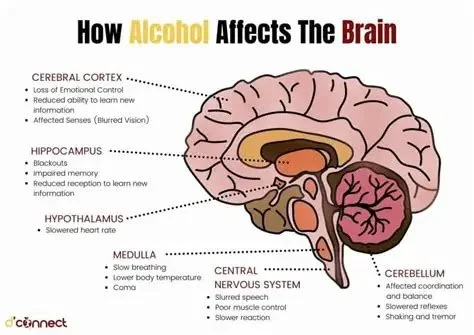
Acute vs. Chronic Alcoholism: Understanding the Differences, the Risks, and the Pathways to Recovery
Alcohol use disorder is not a single condition. It exists on a spectrum, and understanding where a person falls on that spectrum is essential for effective treatment. Two categories often guide clinical decision‑making: acute alcoholism and chronic alcoholism. While both are serious, they differ in severity, health consequences, and the strategies required for recovery.

Controlling Alcohol Intake: How to Recognize When It Becomes a Problem — And What Happens When You Stop for Good
Alcohol is woven into our culture so tightly that many people don’t realize when their relationship with it has shifted from “social” to “problematic.” Unlike other substances, alcohol hides in plain sight. It’s legal, normalized, and socially encouraged — which makes it especially difficult for someone to look honestly at their drinking and admit that it’s harming them.
But the truth is simple: when alcohol begins to change who you are, you’ve lost the privilege of drinking. And reclaiming your life begins with recognizing that shift.
Radical Honesty and Its Essential Role in Addiction Recovery
In addiction treatment, few concepts are as transformative — or as uncomfortable — as radical honesty. It is not simply “telling the truth.” It is the practice of removing distortion, dropping self‑protection, and facing reality without filters. For people in recovery, radical honesty becomes the foundation on which every other part of healing is built.
Addiction thrives in secrecy, denial, and half‑truths. Recovery thrives in clarity, accountability, and truth‑telling. The two cannot coexist.

Why Complete Abstinence Is the Only Real Solution for Chronic Addiction
Chronic addiction is not a bad habit, a moral failing, or a lack of willpower. It is a progressive brain disorder that changes how a person thinks, feels, reacts, and makes decisions. Over time, the brain becomes wired to prioritize the substance or behaviour above everything else — relationships, health, work, and even survival.

When Drinking Crosses the Line: Losing Control, Finding Hope, and the Path Back to Moderation
As an addiction specialist, I’ve worked with countless people who never imagined they would lose control with alcohol. They weren’t daily drinkers. They didn’t fit the stereotype of “an alcoholic.” They simply drank socially—until one day, they didn’t. What started as occasional overindulgence slowly became binge drinking, blackouts, risky decisions, and mornings filled with regret.

Binge Drinking: Understanding the Rush, the Risks, and the Road Back to Control
Binge drinking is one of the most misunderstood patterns of alcohol use. Many people imagine it as something that only happens in college or at parties, but in reality, binge drinking affects people of all ages — professionals, parents, students, and anyone who uses alcohol as a way to unwind, escape, or feel alive.
As an addiction specialist, I’ve seen how binge drinking can start innocently and gradually become a cycle that feels harder and harder to break. But I’ve also seen people reclaim control, rebuild healthier habits, and rediscover a balanced relationship with alcohol.
This blog explores the emotional “switch” that flips once drinking begins, the situations where binge drinking thrives, the long‑term consequences if it continues, and the possibility of returning to moderate drinking.

Non‑Alcoholic Beverages in Recovery: A Helpful Tool or a Hidden Risk?
For many people in early recovery, the world of non‑alcoholic (NA) beverages can feel like a lifeline — a way to participate socially without jeopardizing sobriety. As an addiction specialist, I’ve seen NA drinks play a meaningful role in harm reduction, confidence building, and social reintegration. I’ve also seen them become a slippery slope when used without awareness, support, or accountability.
Like most things in recovery, the key is intention, timing, and honesty.

Why Naltrexone Works at First — and Why It Can Stop Working: An Addiction Specialist’s Perspective
Naltrexone is one of the most widely studied medications used in the treatment of alcohol use disorder. When paired with counseling and recovery support, it can reduce cravings and help people break the cycle of heavy drinking. But it’s also a medication that many people misunderstand. It works well for some, works briefly for others, and for a portion of people, it doesn’t work at all.

When One Addiction Replaces Another: The Hidden Danger of Switching From Stimulants to Alcohol
In the world of addiction recovery, one pattern shows up so often that specialists have a name for it: substance switching. It happens when a person stops using one addictive substance—like crystal meth or cocaine—only to lean more heavily on another, such as alcohol.

Motivation for Using The Sinclair Method
The Sinclair Method offers a science-based alternative to traditional abstinence-only approaches, helping people reduce drinking by retraining the brain’s reward system. While highly effective for many, it requires discipline, medical oversight, and integration with lifestyle changes to achieve lasting recovery.
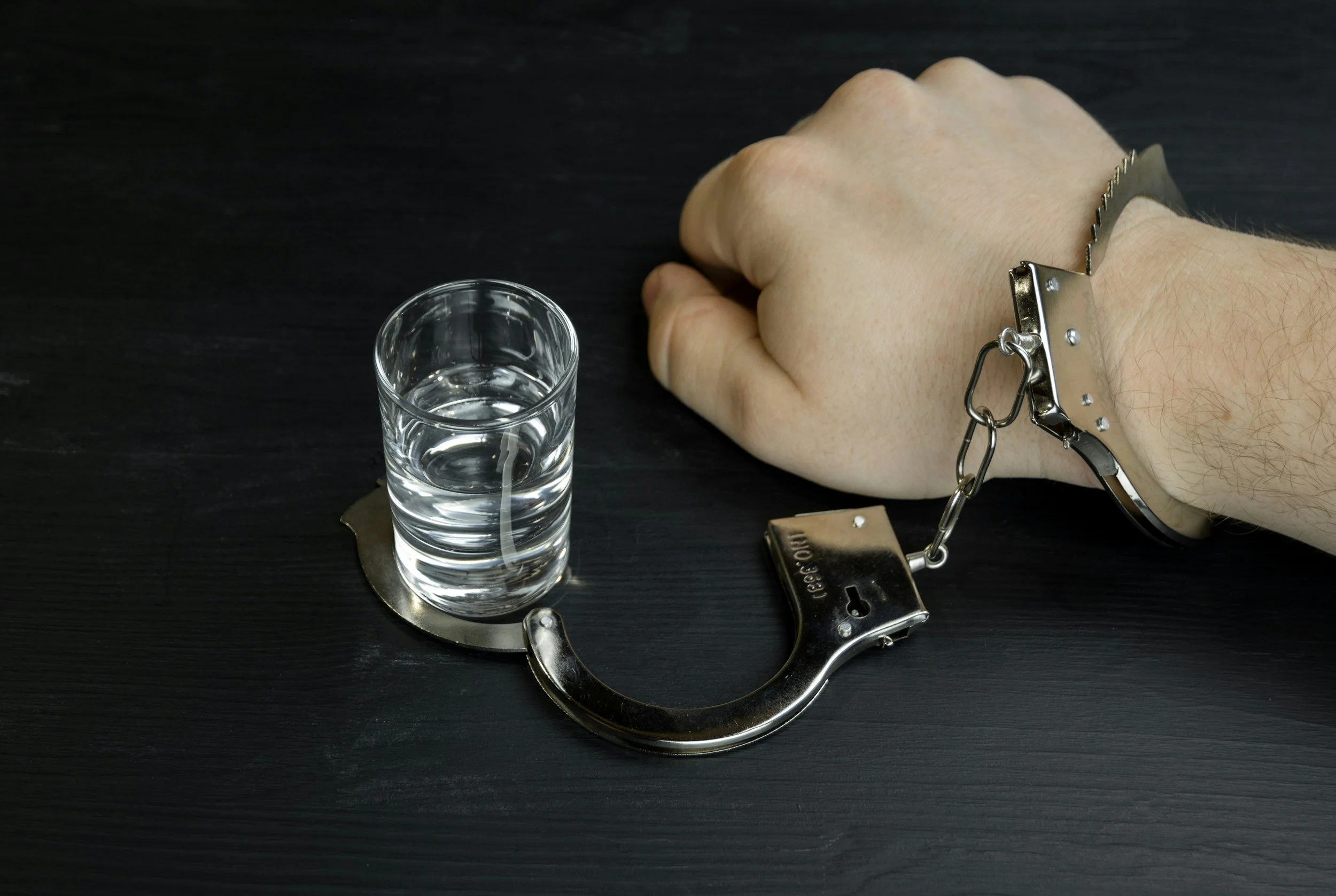
Acute vs. Chronic Alcoholism: Understanding the Difference
Acute alcoholism refers to short-term, high-intensity drinking episodes (often binge drinking), while chronic alcoholism is a long-term, progressive condition marked by dependence and lasting health consequences. Both require different treatment approaches, and binge drinking sits on a dangerous line that can tip into chronic addiction.