
Blog

The Devastating Reality of Addiction in Young People — And Why There Is Still Hope
There is a particular kind of heartbreak that comes when someone under the age of 21 is struggling with addiction. At an age when life is supposed to be opening up — full of possibility, curiosity, and discovery — addiction can close the world in around them. It can steal their confidence, their joy, their sense of identity, and their belief in the future.

Why Support From Loved Ones Is Essential in Addiction Recovery
When someone enters treatment for addiction, it’s easy to assume the professionals will take it from there. But from the perspective of an addiction specialist, recovery is not something that happens in isolation. Treatment provides structure, tools, and guidance — but the presence, support, and steady encouragement of loved ones often determines whether those tools take root.
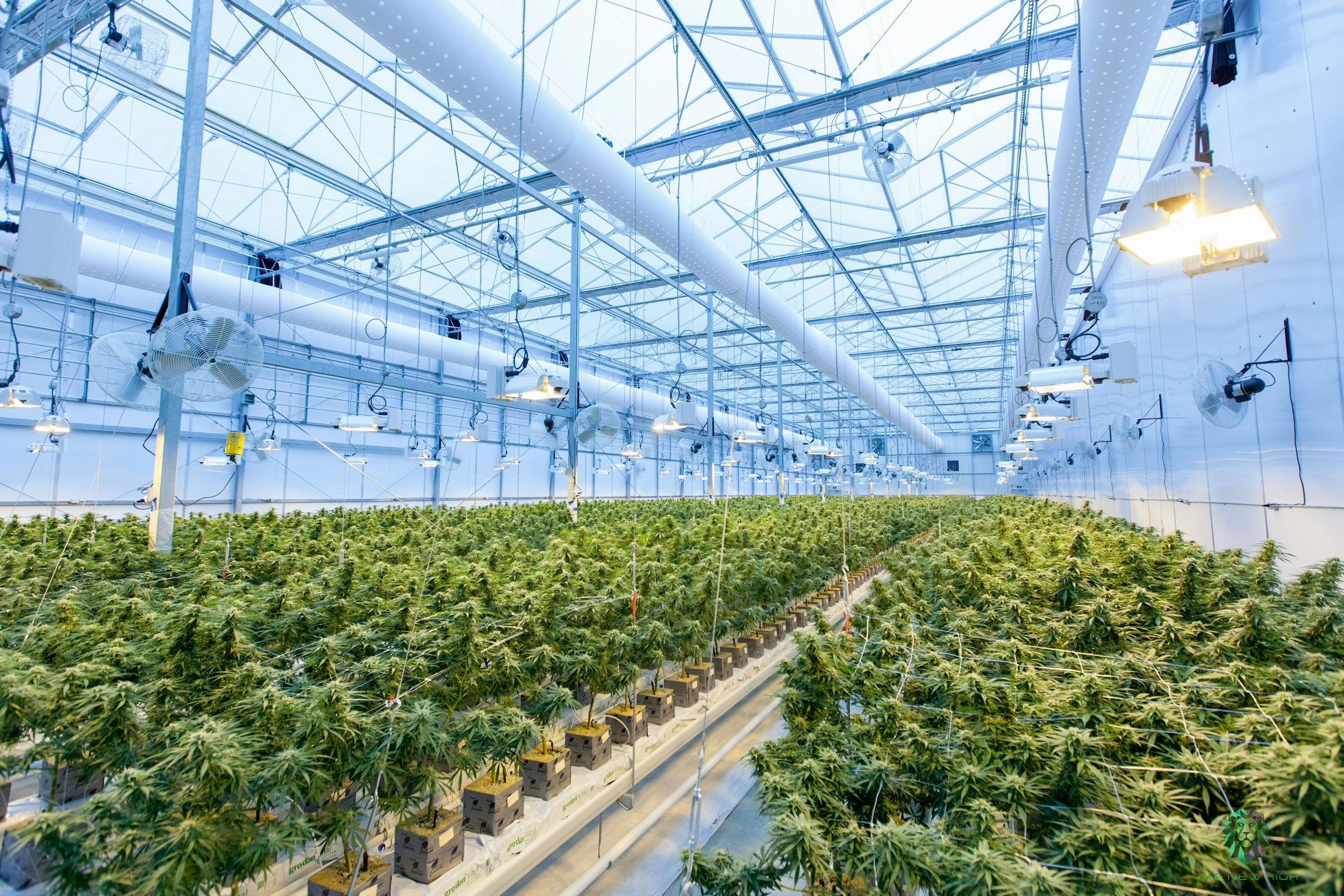
Today’s Cannabis: Why It’s More Dangerous, More Addictive, and More Damaging Than People Realize
As an addiction specialist, I meet many people who believe cannabis is harmless because “it’s natural,” “everyone uses it,” or “it’s legal now.” But the cannabis people are using today is not the same substance that existed 20 or 30 years ago. Modern cannabis is dramatically more potent, more addictive, and more capable of causing both short‑ and long‑term harm to the brain.
The science is clear: today’s high‑THC cannabis carries real risks—especially for young people, daily users, and anyone using it to cope with stress, anxiety, trauma, or emotional pain.
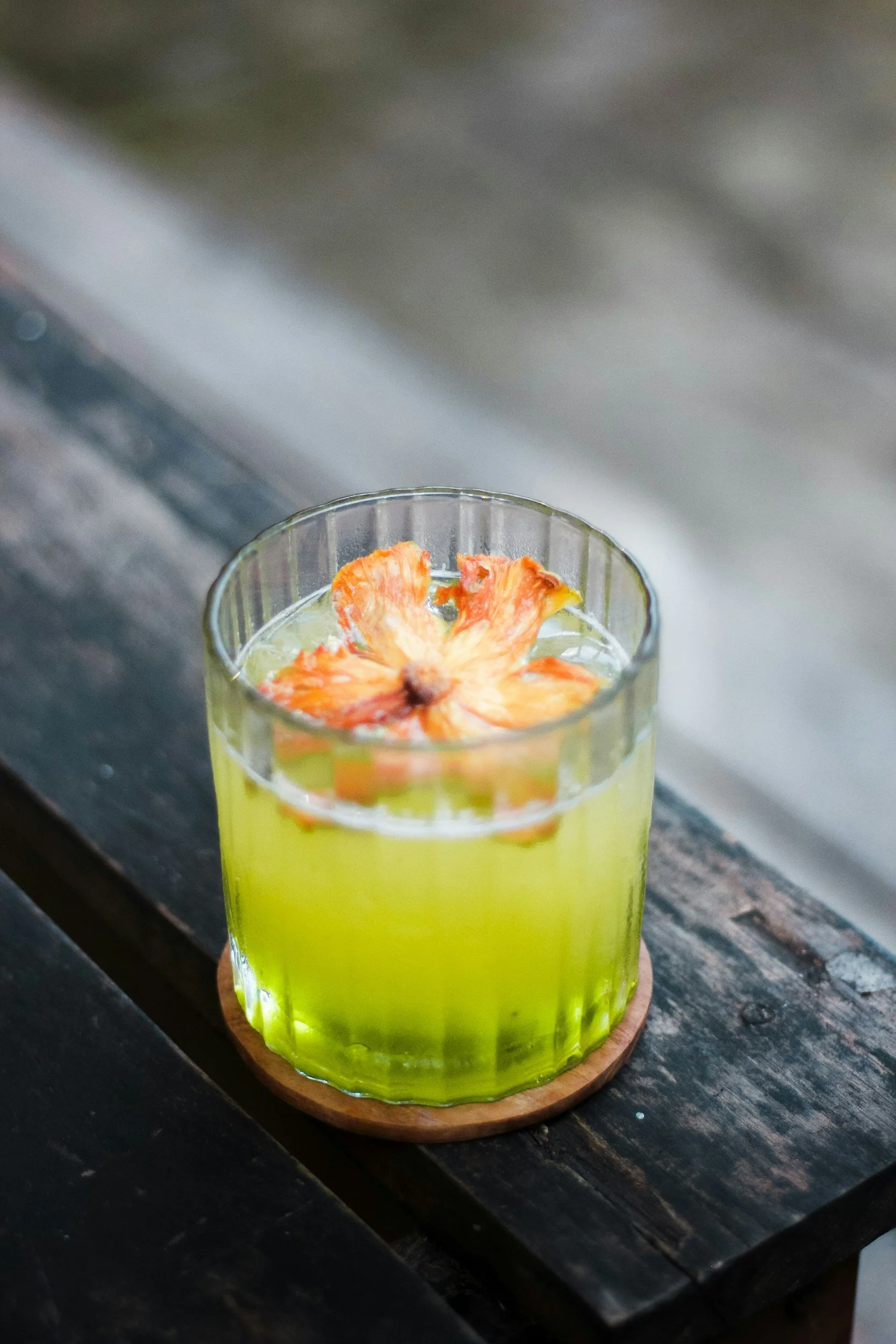
Non‑Alcoholic Beverages in Recovery: A Helpful Tool or a Hidden Risk?
For many people in early recovery, the world of non‑alcoholic (NA) beverages can feel like a lifeline — a way to participate socially without jeopardizing sobriety. As an addiction specialist, I’ve seen NA drinks play a meaningful role in harm reduction, confidence building, and social reintegration. I’ve also seen them become a slippery slope when used without awareness, support, or accountability.
Like most things in recovery, the key is intention, timing, and honesty.

Gratitude as a Cornerstone of RecoveryWhy Gratitude Is an Action—And How Humility Protects Sobriety
In addiction recovery, people often hear the phrase “practice gratitude.” It can sound cliché, almost too simple for something as complex as rebuilding a life. But from the perspective of an addiction specialist, gratitude is not a feel‑good slogan. It is a powerful behavioral tool that rewires thinking, stabilizes emotions, and strengthens the foundation of long‑term sobriety.
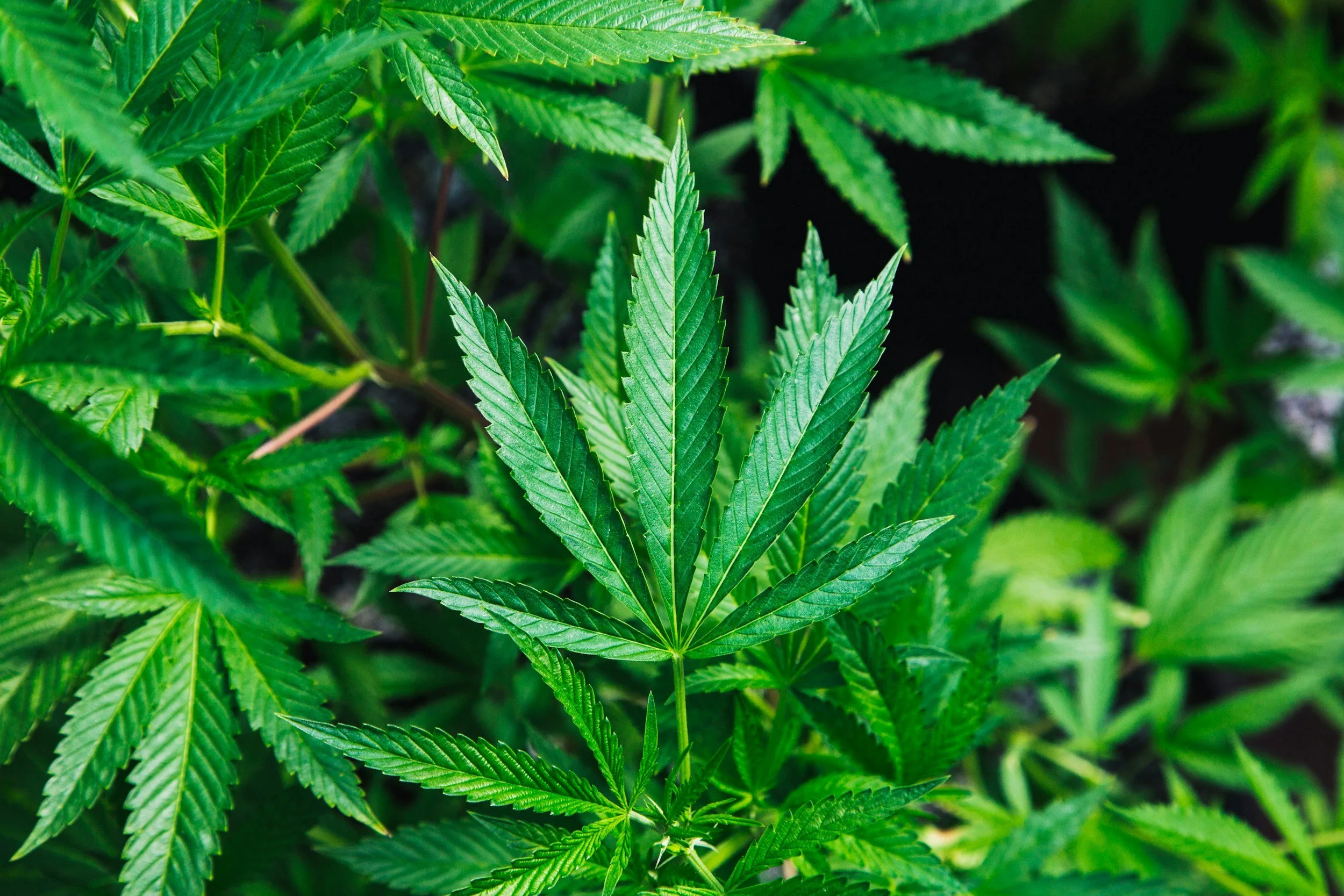
Why Cannabis Is Not a Harm‑Reduction Medication for AUD or SUDA
In recent years, cannabis has been promoted in some circles as a “safer alternative” to alcohol or other drugs. The idea sounds appealing: replace a harmful substance with something perceived as more natural or less dangerous. But from the standpoint of an addiction specialist, this approach is not only misleading—it can derail recovery and prolong suffering.

Understanding Physical and Mental Cravings: Why They Feel Different and How to Break Their Grip
Cravings are one of the most misunderstood—and most feared—parts of recovery. People often describe them as sudden waves that “come out of nowhere,” or as a relentless pull that hijacks their thoughts. As an addiction specialist, I see every day how cravings can derail progress, shake confidence, and create the illusion that a person is powerless.

Dopamine Traps: How Abundance Can Heal You—or Hijack You
Modern life offers more abundance than any generation before us. We have endless entertainment, instant communication, food delivered to our door, and a constant stream of stimulation available 24/7. On the surface, this looks like progress. But for many people—especially those wired for addiction—this abundance becomes a minefield of dopamine traps.

Rewiring the Reward Center: How the Brain Heals in Early Sobriety
Early sobriety is often described as a fog lifting, a slow return to clarity, or a reawakening of the self. But beneath those emotional shifts lies something even more profound: the brain’s reward system is beginning to reset itself.Understanding this process can help you stay grounded, patient, and hopeful as you move through the early stages of recovery.

Are We Treating Addiction — or Just Medicating It?
In the addiction field, we talk a lot about “root causes.” Trauma. Stress. Disconnection. Emotional pain. Genetics. Environment. Learned coping patterns. These are the forces that shape a person’s relationship with substances long before the first drink, pill, or hit ever becomes a problem.
Yet in the broader healthcare system, addiction is often approached through a very different lens — one shaped heavily by the pharmaceutical industry. Medications can play a valuable role in stabilizing people, reducing harm, and supporting recovery. But when medication becomes the primary or only intervention, something essential gets lost.
From where I sit as an addiction specialist, the issue isn’t that pharma is “evil” or intentionally blocking recovery. It’s that the system is built to prioritize symptom management over root‑cause healing, and pharmaceutical solutions fit neatly into that model.
Let’s unpack what that means.

Polysubstance Use and the Path to Fentanyl Addiction: Understanding the Risks and the Road to Recovery
By: An Addiction Specialist
Polysubstance use—mixing or alternating between multiple substances—is one of the most dangerous patterns I see in addiction work. Many people don’t start with fentanyl. They begin with alcohol, cannabis, cocaine, benzodiazepines, or prescription opioids. Over time, tolerance grows, the brain adapts, and the search for a stronger or more reliable high begins.
This is often where fentanyl enters the picture—sometimes intentionally, sometimes without the person even knowing. And once fentanyl becomes part of the cycle, the risks escalate dramatically.
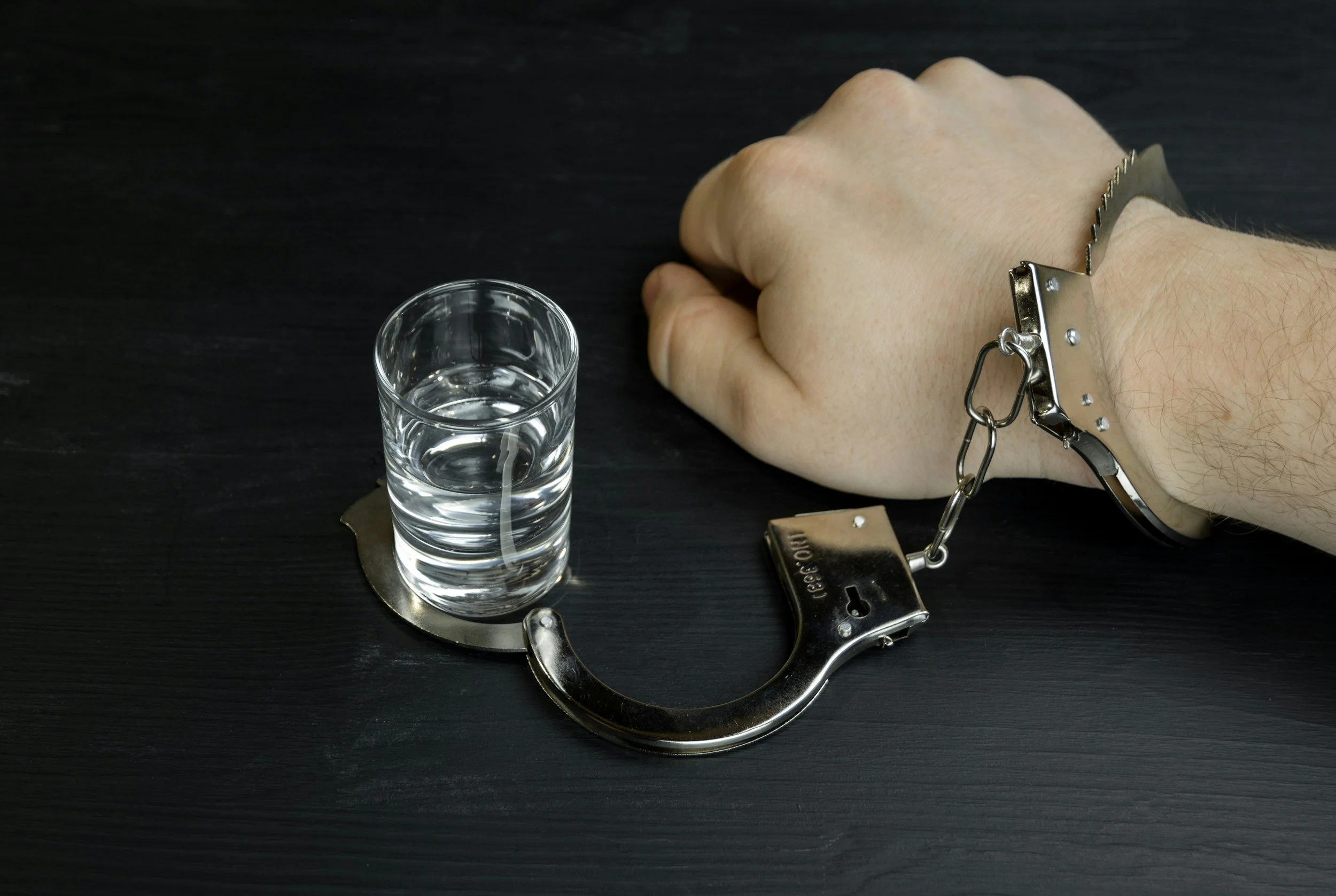
Acute vs. Chronic Alcoholism: Understanding the Difference
Acute alcoholism refers to short-term, high-intensity drinking episodes (often binge drinking), while chronic alcoholism is a long-term, progressive condition marked by dependence and lasting health consequences. Both require different treatment approaches, and binge drinking sits on a dangerous line that can tip into chronic addiction.

Recovery Beyond Abstinence: The Power of Meditation, Awareness, Connection, and Movement
Recovery from substance use or behavioral addictions is not simply about stopping the addictive behavior—it’s about building a new way of living. As an addiction specialist, I’ve seen countless individuals discover that true healing comes from nurturing the mind, body, and spirit. Five practices stand out as pillars of sustainable recovery: meditation, awareness, community connection, reconnecting with old friends, and physical exercise

Alcoholism & Drug Addiction: Why Treatment Is Essential
Addiction is often misunderstood. Many people see it as a matter of willpower, a bad habit, or a moral failing. But as an addiction specialist, I know the truth: alcoholism and drug addiction are chronic medical conditions that demand treatment. Left unaddressed, they erode health, relationships, and purpose. Managed with care, they can become the foundation for profound transformation.

Why Awareness Is the Key to Relapse Prevention
As an addiction specialist, I often tell my clients: recovery isn’t just about quitting a substance—it’s about understanding your brain. Addiction hijacks the mind in ways that make relapse not just possible, but likely—unless we learn to recognize and respond to the internal tug-of-war between our emotional and logical selves.

Chronic Marijuana Use and Behavioral Addictions: A Hidden Link
As an addiction specialist, I’ve seen firsthand how substance use and behavioral addictions often intertwine in complex and surprising ways. One of the most overlooked relationships is the correlation between chronic marijuana use and behavioral addictions such as pornography and video gaming. While these behaviors may seem unrelated on the surface, they often share underlying psychological mechanisms—and when combined, they can reinforce each other in ways that deepen dependency and impair functioning.

Loving Someone with Addiction: The Courage to Set Boundaries and Follow Through
Living with a partner who suffers from addiction is one of the most emotionally complex experiences a person can face. You love them. You’ve built a life together. You’ve seen their potential, their tenderness, their dreams. But addiction doesn’t care about love—it hijacks the brain, distorts behavior, and erodes trust.
As an addiction specialist, I’ve worked with countless spouses and partners who feel torn between compassion and survival. They ask: “How do I help without losing myself?” “When do I draw the line?” “What do I do when promises are broken again and again?”
This blog is for you.

The Power of Humility in Early Recovery: Why Less Is More
Recovery is not a sprint—it’s a slow, deliberate walk back to yourself. In the early stages, it’s tempting to believe that now that the substance is gone, life should resume at full speed. But here’s the truth: early recovery is sacred ground. It’s where the foundation is laid, and humility is the cornerstone.

The Power of Recovery: Why Honesty with Yourself Is Everything
Recovery isn’t just about quitting a substance or behavior—it’s about reclaiming your life. It’s about waking up each day with clarity, purpose, and the ability to face yourself in the mirror without flinching. And at the heart of every successful recovery journey lies one non-negotiable principle: radical honesty with oneself.

Dependence vs. Chronic Addiction: Understanding the Spectrum of Substance Use
In the world of addiction treatment, language matters. Words like dependence, addiction, acute use, and chronic use are often used interchangeably—but they describe very different experiences. Understanding these distinctions is not just academic; it’s essential for tailoring treatment, reducing stigma, and supporting recovery.