
Today’s Cannabis: Why It’s More Dangerous, More Addictive, and More Damaging Than People Realize
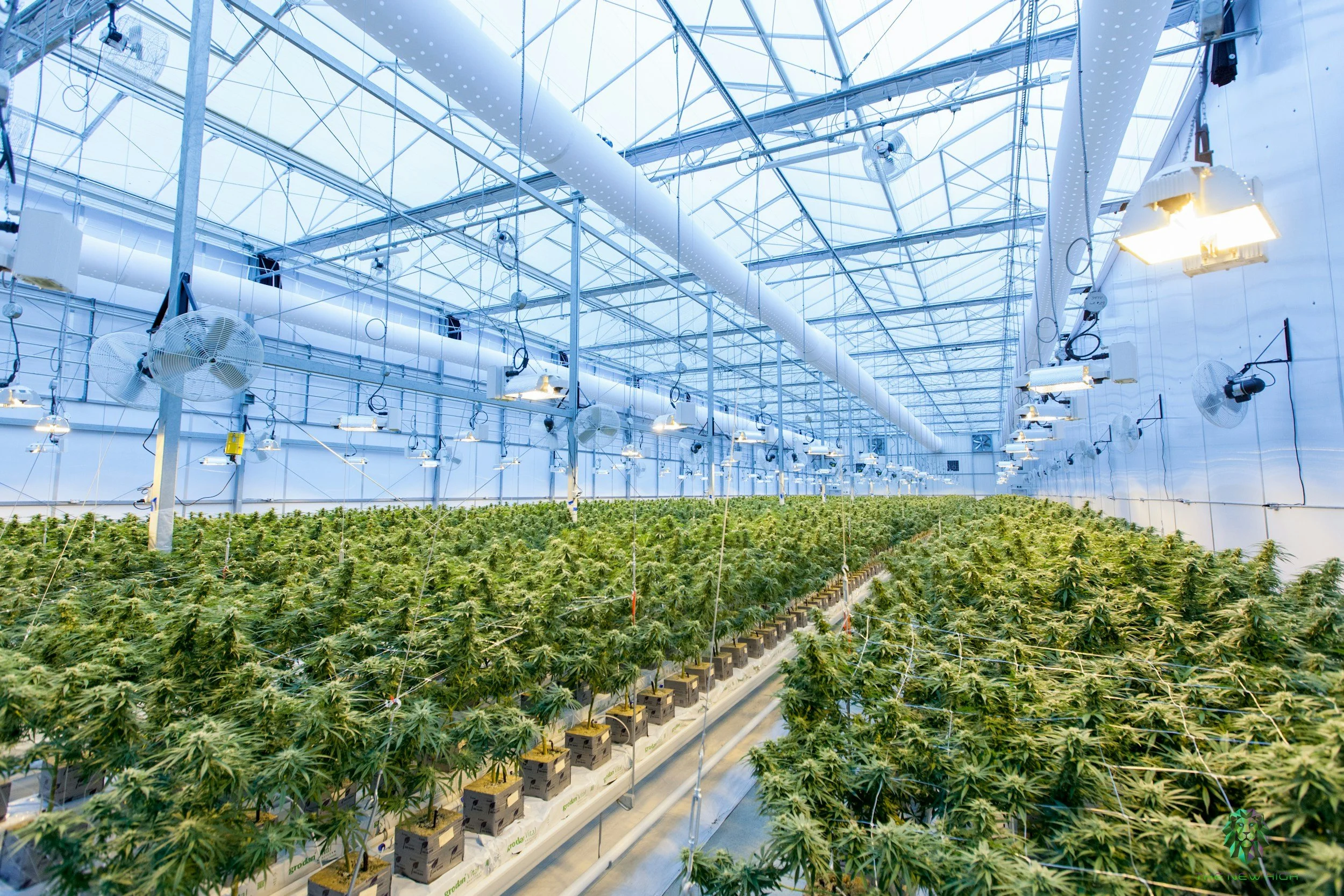
As an addiction specialist, I meet many people who believe cannabis is harmless because “it’s natural,” “everyone uses it,” or “it’s legal now.” But the cannabis people are using today is not the same substance that existed 20 or 30 years ago. Modern cannabis is dramatically more potent, more addictive, and more capable of causing both short‑ and long‑term harm to the brain.
The science is clear: today’s high‑THC cannabis carries real risks—especially for young people, daily users, and anyone using it to cope with stress, anxiety, trauma, or emotional pain.
1. Today’s Cannabis Is Far More Potent—and Far More Dangerous
In the 1970s, cannabis typically contained 1–4% THC. Today, dispensary products commonly range from 15–30% THC, and concentrates such as wax, shatter, and dabs can reach 90–95% THC apa.org.
This level of potency is something the human brain has never been exposed to in history. Research shows that higher‑potency cannabis is strongly associated with:
Increased risk of addiction
Higher rates of psychosis
More severe withdrawal
Greater cognitive impairment
A systematic review found that high‑potency cannabis significantly increases the risk of cannabis use disorder and psychosis compared to lower‑potency products thelancet.com.
2. Cannabis Is Addictive—Especially Today’s Versions
Despite the common myth that cannabis “isn’t addictive,” research shows:
About 22–33% of regular users develop cannabis use disorder (CUD) apa.org.
Youth are even more vulnerable, with 23% of young users meeting criteria for CUD in one study apa.org.
Addiction develops more gradually than with substances like opioids, which is why many people don’t recognize the signs until their life is already being affected.
Common symptoms include:
Irritability
Anxiety
Sleep problems
Loss of motivation
Difficulty concentrating
Using more than intended
Failed attempts to cut down
These symptoms are not “personality changes”—they are the effects of a drug acting on the brain’s reward system.
3. Short‑Term Brain Effects: Not as Harmless as People Think
Even short‑term cannabis use can impair:
Memory
Attention
Reaction time
Coordination
Decision‑making
These effects are well‑documented by both Health Canada and the CDC canada.ca cdc.gov.
High‑potency products can also trigger:
Panic attacks
Paranoia
Hallucinations
Temporary psychosis
These reactions are becoming more common as THC levels rise.
4. Long‑Term Brain Effects: Cognitive Decline and Structural Changes
Long‑term, heavy cannabis use—especially when started young—has been linked to:
Reduced memory
Lower IQ
Impaired concentration
Slower processing speed
Difficulty with decision‑making
Health Canada notes that these effects may not fully reverse, even after stopping use canada.ca.
A major study following people from childhood to age 45 found that long‑term heavy cannabis users experienced:
A 5.5‑point IQ decline
Noticeable memory and attention problems
Smaller hippocampal volume (the brain’s memory center)
These findings persisted even after controlling for alcohol, tobacco, and socioeconomic factors health.harvard.edu.
5. Psychosis and Mental Illness: A Growing Concern
High‑potency cannabis is strongly associated with:
Psychotic episodes
Paranoia
Delusions
Cannabis‑induced psychosis
Increased risk of schizophrenia in vulnerable individuals
Multiple studies show a dose‑dependent relationship: the higher the THC, the higher the risk thelancet.com.
Real‑world cases reported by Yale researchers show young adults experiencing severe psychosis after using high‑THC concentrates, sometimes requiring hospitalization medicine.yale.edu.
6. Why People Use Cannabis: The Underlying Issues
Most people don’t use cannabis because they love the drug—they use it because they love the relief.
Common underlying drivers include:
Anxiety
Trauma
Depression
Loneliness
Stress
Insomnia
Emotional avoidance
Cannabis becomes a coping mechanism, not a recreational choice. Over time, the brain learns to rely on THC instead of developing healthy emotional regulation skills.
This is where therapy becomes essential.
7. How Therapy Helps People Break the Cycle
Working with an addiction therapist can help individuals:
A. Understand the emotional function of their cannabis use
People often discover they’re using cannabis to numb, escape, or self‑medicate.
B. Build healthier coping strategies
Therapy helps develop tools for:
Managing anxiety
Regulating emotions
Handling stress
Improving sleep
Processing trauma
C. Rebuild motivation and cognitive function
As cannabis use decreases, therapy supports:
Goal‑setting
Accountability
Restoring routines
Rebuilding confidence
D. Address withdrawal and cravings
While cannabis withdrawal isn’t medically dangerous, it can be uncomfortable. Therapy provides structure and support during this period.
E. Strengthen long‑term recovery
People who combine therapy with lifestyle changes have far better outcomes than those who try to quit alone.
8. The Bottom Line
Today’s cannabis is not the mild, low‑THC plant of the past. It is a high‑potency, highly addictive substance capable of causing:
Cognitive decline
Psychosis
Addiction
Long‑term brain changes
But people don’t use cannabis because they’re weak—they use it because they’re hurting.
Therapy helps address the real problem: the emotional pain beneath the substance use.
Recovery is absolutely possible, and with the right support, people can rebuild their lives, their health, and their sense of self.