
Blog

Why Group Therapy Matters After Cannabis‑Induced Psychosis
Cannabis‑induced psychosis (CIP) is not just a “bad high.” It is a serious medical event linked to elevated risk of future psychotic episodes and even long‑term schizophrenia‑spectrum disorders. In Ontario, people who experience CIP have a 241‑fold higher risk of developing a schizophrenia‑spectrum disorder within three years compared to the general population. cmaj.ca
Because of this elevated risk, ongoing support is essential, and group therapy—when facilitated by an addiction specialist—offers several unique benefits that individual therapy alone cannot provide.
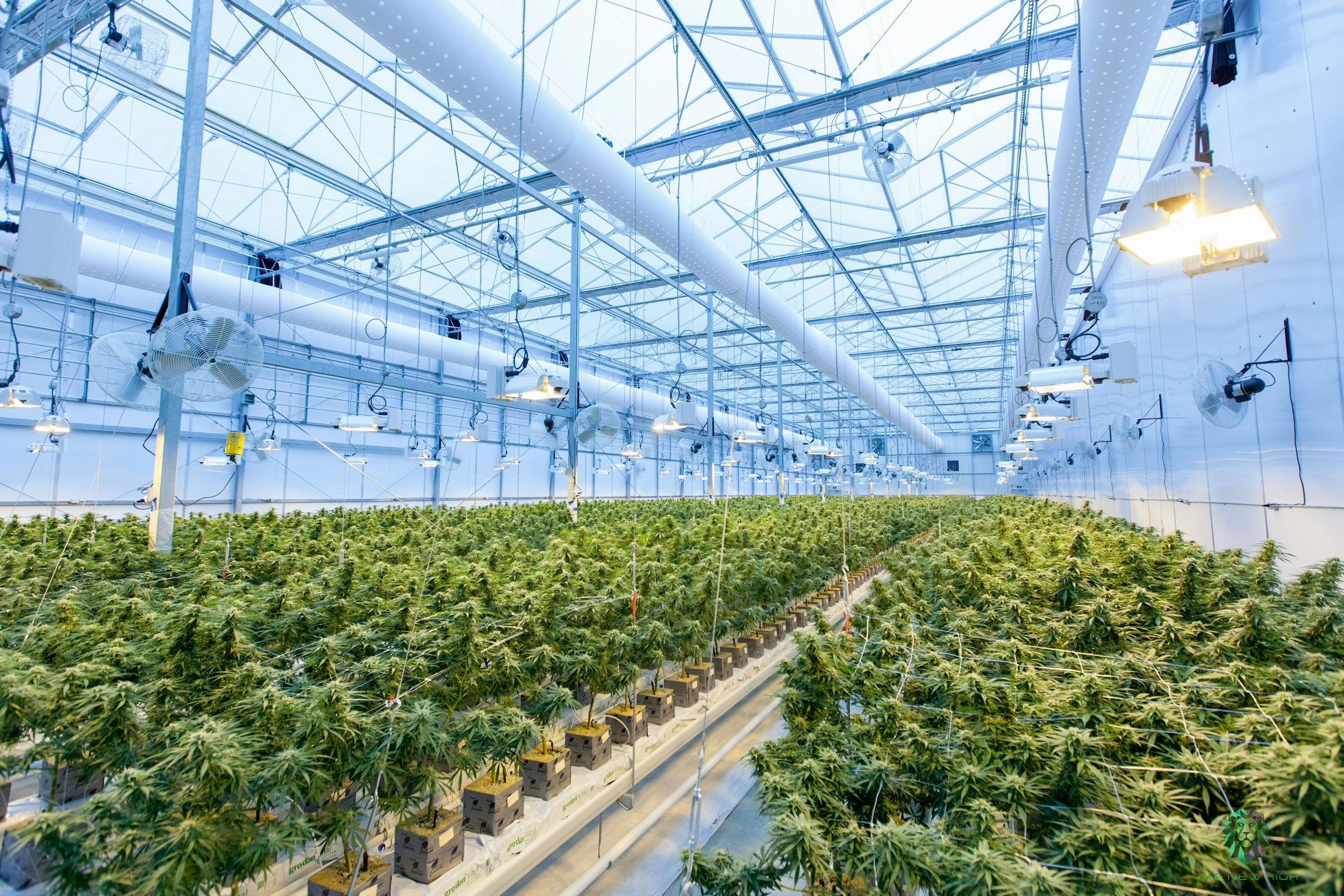
Today’s Cannabis: Why It’s More Dangerous, More Addictive, and More Damaging Than People Realize
As an addiction specialist, I meet many people who believe cannabis is harmless because “it’s natural,” “everyone uses it,” or “it’s legal now.” But the cannabis people are using today is not the same substance that existed 20 or 30 years ago. Modern cannabis is dramatically more potent, more addictive, and more capable of causing both short‑ and long‑term harm to the brain.
The science is clear: today’s high‑THC cannabis carries real risks—especially for young people, daily users, and anyone using it to cope with stress, anxiety, trauma, or emotional pain.

Trauma: The Hidden Engine of Addiction
Addiction rarely begins with a substance. It begins with a story.
A story of pain, overwhelm, fear, or emotional disconnection that the nervous system never had the chance to process. When I sit with clients struggling with addiction—whether to substances, gambling, pornography, food, or compulsive behaviours—the common thread is almost always trauma. Sometimes it’s obvious and dramatic. Other times it’s subtle, chronic, and invisible. But it’s there, shaping the brain, the body, and the choices that follow.
Trauma is not just an event. It’s the internal wound left behind. And that wound becomes the engine that drives addiction.