
Why Complete Abstinence Is the Only Real Solution for Chronic Addiction
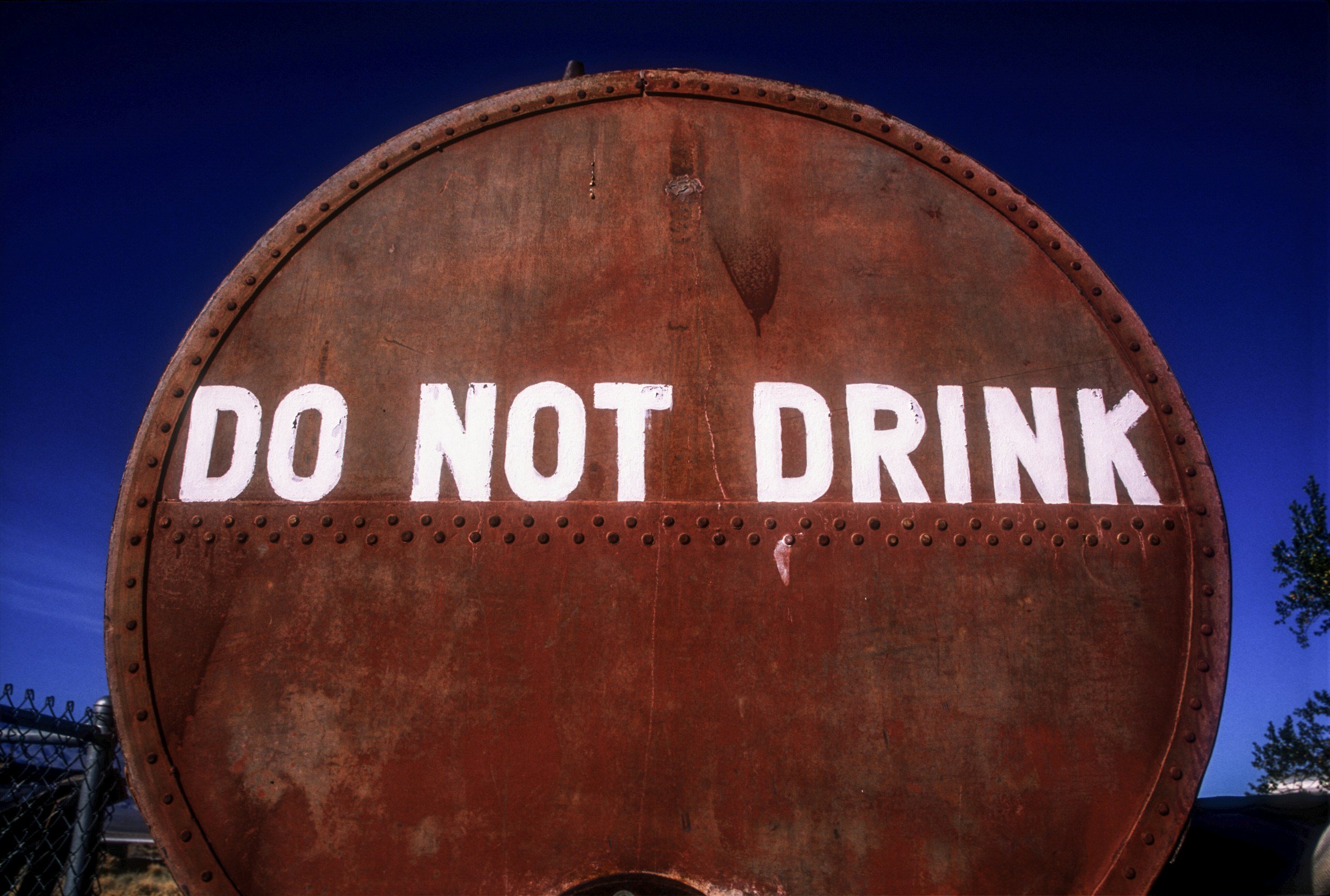
Chronic addiction is not a bad habit, a moral failing, or a lack of willpower. It is a progressive brain disorder that changes how a person thinks, feels, reacts, and makes decisions. Over time, the brain becomes wired to prioritize the substance or behaviour above everything else — relationships, health, work, and even survival.
Because of this, the only sustainable path forward for someone with chronic addiction is complete abstinence. Not moderation. Not “cutting back.” Not “just on weekends.”
Abstinence.
This isn’t punishment.
It’s protection.
Why Abstinence Is Necessary for Chronic Addiction
Chronic addiction fundamentally alters the brain’s reward system. Once the brain has crossed a certain threshold, the idea of “controlled use” becomes a neurological impossibility.
Here’s why:
The addicted brain has a hypersensitive reward pathway that lights up intensely when exposed to the substance.
Even a small amount reactivates the entire network.
The brain remembers the old pattern instantly — and powerfully.
The person loses control long before they realize it’s happening.
This is why people who have been sober for months or years can relapse after one drink, one hit, or one bet.
The brain doesn’t forget.
It waits.
This is why the safest, most effective path is complete abstinence.
Why Relapse Is So Dangerous
Relapse is not just “a slip.”
It is a full neurological reactivation of the addiction circuitry.
1. The brain returns to old patterns instantly
Even after long periods of sobriety, the brain can snap back to addictive behaviour within hours or days.
2. Tolerance drops — but cravings don’t
This is why relapse can lead to overdose, medical emergencies, or rapid deterioration.
3. Shame and guilt fuel the cycle
After a relapse, people often feel:
“I blew it.”
“I’m weak.”
“I might as well keep going.”
This emotional crash is often more dangerous than the relapse itself.
4. Relapse often escalates quickly
What starts as “one drink” becomes:
A weekend binge
A week of chaos
A full return to addiction
This is why relapse prevention is not optional — it is essential.
Explore more about relapse risk.
The Delusion of Control After a Slip
One of addiction’s most powerful lies is:
“This time will be different.”
The addicted brain creates a false sense of confidence:
“I can handle it now.”
“I’m stronger than before.”
“I’ll just have one.”
“I deserve it.”
“I’ve been good for so long.”
But here’s the truth:
If someone could control it, they would have controlled it already.
Addiction is not a negotiation.
It is not a relationship that can be “managed.”
It is a disorder that requires total abstinence to stay dormant.
The belief in control is not strength — it is the addiction speaking.
Why Abstinence Works When Nothing Else Does
Abstinence gives the brain what it needs to heal:
1. Neuroplasticity
The brain begins rewiring itself toward:
Healthy rewards
Emotional stability
Clear thinking
Better decision‑making
2. Emotional regulation
Without substances, the person learns to handle stress, conflict, and discomfort in healthier ways.
3. Identity rebuilding
Sobriety allows people to rediscover:
Who they are
What they value
What they’re capable of
4. Stability and predictability
Life becomes calmer, clearer, and more manageable.
5. Freedom
Not having to negotiate with addiction every day is one of the greatest reliefs a person can experience.
Learn more about rewiring the brain.
The Path Forward: Acceptance, Structure, and Support
Recovery begins when a person accepts:
“I cannot use safely — ever.”
This acceptance is not defeat.
It is liberation.
From there, recovery becomes about:
Structure
Routine
Community
Accountability
Healthy rewards
Purpose
Connection
These are the pillars that keep abstinence strong and relapse far away.
Explore recovery structure.
Final Thoughts
Chronic addiction is relentless, cunning, and patient. It waits for moments of weakness, stress, celebration, or loneliness. It whispers lies about control, moderation, and “just one more.”
But abstinence silences that voice.
Abstinence is not the absence of something — it is the presence of everything addiction took away:
Clarity
Health
Relationships
Purpose
Freedom
Self‑respect
A future
For chronic addiction, abstinence isn’t just the best option.
It is the only option that leads to a life worth living.