
Why Cannabis Is Not a Harm‑Reduction Medication for AUD or SUDA
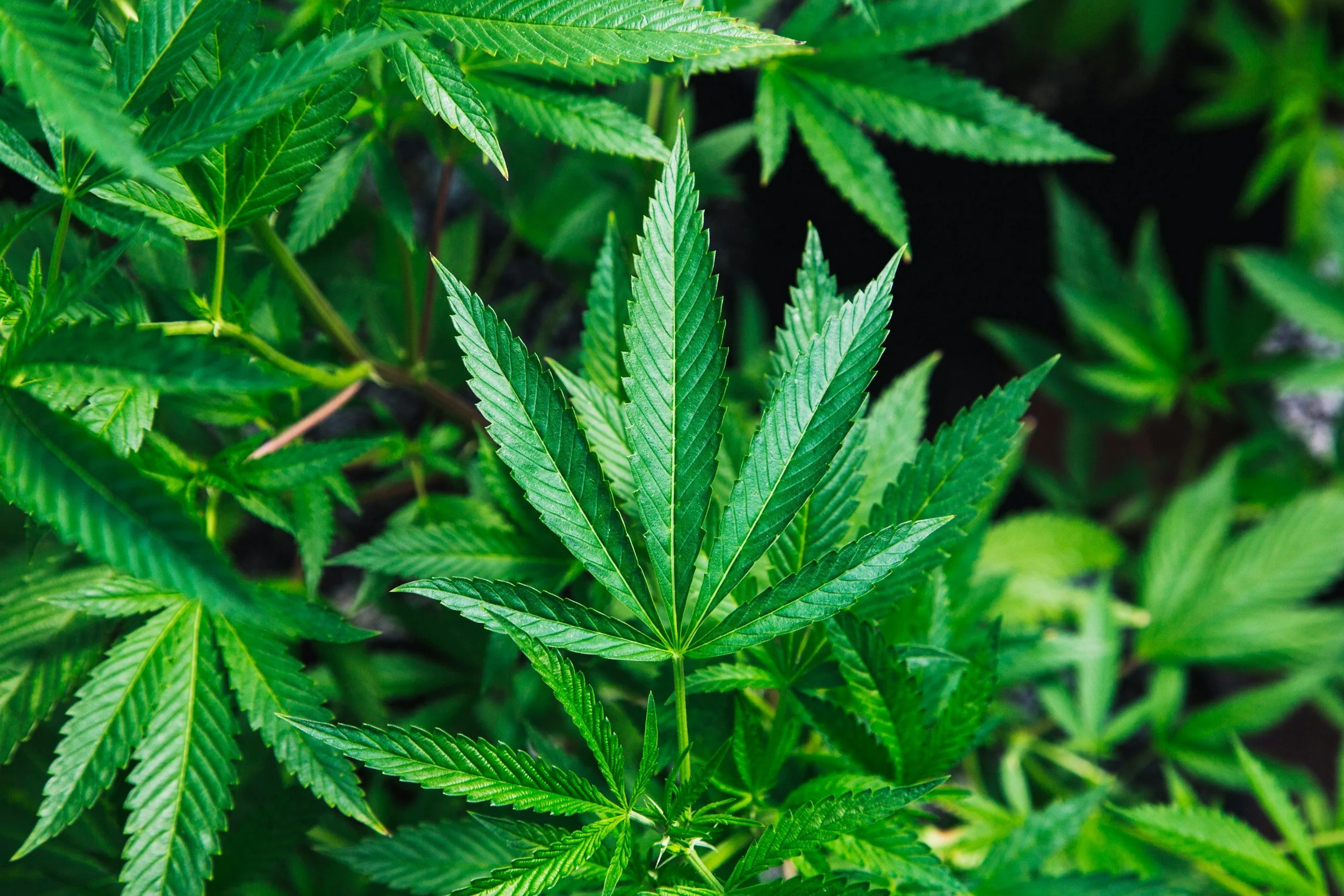
In recent years, cannabis has been promoted in some circles as a “safer alternative” to alcohol or other drugs. The idea sounds appealing: replace a harmful substance with something perceived as more natural or less dangerous. But from the standpoint of an addiction specialist, this approach is not only misleading—it can derail recovery and prolong suffering.
Cannabis is not a harm‑reduction medication for Alcohol Use Disorder (AUD) or Substance Use Disorder (SUD). It is a psychoactive drug with its own risks, its own withdrawal syndrome, and its own potential to create dependence. When someone is trying to heal from addiction, substituting one mind‑altering substance for another rarely leads to long‑term stability.
Let’s break down why.
1. Cannabis Does Not Treat the Underlying Drivers of Addiction
Addiction is not simply a “drug problem.” It’s a complex condition involving:
Reward circuitry in the brain
Emotional regulation
Stress response
Trauma history
Learned coping patterns
Environmental triggers
Cannabis does not repair these systems. At best, it temporarily numbs discomfort. At worst, it reinforces the same avoidance patterns that fuel addiction in the first place.
When someone uses cannabis to cope with anxiety, insomnia, cravings, or emotional pain, they’re not healing—they’re substituting.
2. Cannabis Can Create Its Own Dependence Cycle
Cannabis Use Disorder (CUD) is real, clinically recognized, and increasingly common. Regular use can lead to:
Tolerance
Withdrawal symptoms (irritability, sleep disruption, anxiety, decreased appetite)
Loss of control over use
Continued use despite consequences
For someone already vulnerable to addiction, introducing another addictive substance is not harm reduction—it’s risk amplification.
3. Cannabis Can Worsen Mental Health Symptoms
Many people turn to cannabis believing it will help with anxiety, depression, or trauma‑related symptoms. But research consistently shows that heavy or chronic use can:
Increase anxiety
Worsen depressive symptoms
Exacerbate panic
Trigger paranoia
Intensify emotional dysregulation
For individuals with AUD or SUD—who often already struggle with mood instability—this can be destabilizing rather than therapeutic.
4. Cannabis Impairs Cognitive Functioning
Recovery requires clarity. It requires the ability to:
Reflect
Learn new skills
Regulate emotions
Build insight
Make consistent decisions
Cannabis impairs:
Memory
Attention
Motivation
Executive functioning
These are the exact capacities people need to rebuild their lives. Using cannabis during early recovery is like trying to climb a mountain with a weighted vest.
5. Substitution Keeps the Brain in a “Reward‑Seeking” Loop
Addiction is fundamentally a disorder of the brain’s reward system. When someone replaces alcohol or opioids with cannabis, the brain continues to rely on external substances to regulate mood and reward.
This prevents:
Neurochemical healing
Rebalancing of dopamine pathways
Development of natural coping strategies
Emotional resilience
True recovery requires breaking the cycle—not feeding it with a different substance.
6. Cannabis Can Trigger Relapse to the Primary Substance
For many individuals, cannabis lowers inhibitions and increases impulsivity. It can also re‑activate old routines, environments, and associations tied to previous substance use.
This creates a slippery slope:
“I’m already high… one drink won’t hurt.”
“I’m relaxed now… maybe I can handle using just once.”
Substitution often becomes a gateway back to the original substance.
Why Total Abstinence Is a Healthier, More Sustainable Path
Total abstinence isn’t about punishment or deprivation. It’s about giving the brain and body the conditions they need to heal.
Abstinence allows:
1. Full Neurochemical Reset
The brain begins restoring natural dopamine balance, stress response, and emotional regulation.
2. Clear Thinking and Emotional Stability
Without psychoactive interference, people can engage deeply in therapy, relationships, and self‑reflection.
3. Development of Real Coping Skills
Instead of relying on substances, individuals learn:
Distress tolerance
Mindfulness
Communication skills
Healthy routines
Emotional processing
4. Authentic Recovery Identity
Sobriety builds confidence, self‑trust, and a sense of agency—things substitution can never provide.
5. Long‑Term Protection Against Relapse
When the brain is no longer dependent on any substance for relief or reward, the risk of returning to harmful use decreases dramatically.
What Works Better Than Cannabis: Evidence‑Based Treatment and Aftercare
Once someone chooses abstinence, they can engage in treatments that actually support recovery:
Treatment Options
Residential or inpatient programs
Intensive outpatient programs (IOP)
Outpatient therapy
Trauma‑informed care
Cognitive Behavioral Therapy (CBT)
Motivational Interviewing (MI)
Supportive group therapy
Medical evaluation for appropriate, evidence‑based medications (when clinically indicated)
Aftercare Supports
Ongoing therapy
Peer support communities
Sober living environments
Relapse‑prevention planning
Wellness routines (sleep, nutrition, exercise)
Building meaningful structure and purpose
These approaches address the root causes of addiction—not just the symptoms.
Final Thoughts
Cannabis may be culturally framed as harmless, but in the context of addiction recovery, it is anything but. Substituting one psychoactive substance for another keeps people stuck in the same cycle they’re trying to escape.
Total abstinence offers something substitution never can:
a clear mind, a stable foundation, and the opportunity for genuine healing.