
Cannabis Isn’t as Harmless as We Think: A Specialist’s View on Rising Psychosis, Daily Use, and the Path Out
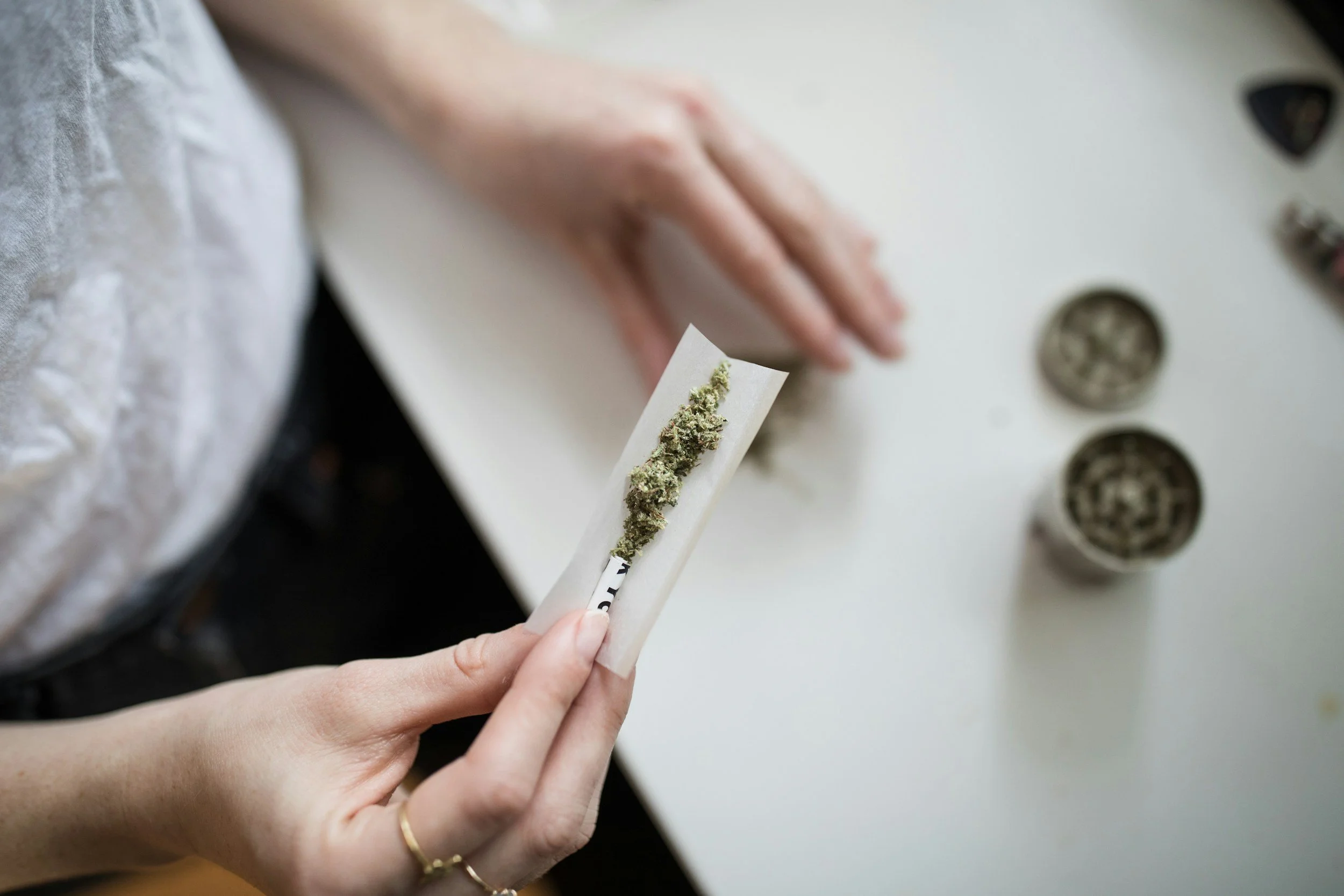
Public opinion has shifted dramatically in the last decade. Cannabis is now widely viewed as natural, safe, and even therapeutic. As an addiction specialist, I understand why: legalization reduced stigma, medical use became mainstream, and many people use cannabis without obvious short‑term harm.
But the narrative that cannabis is “harmless” is not only inaccurate — it’s increasingly dangerous for young people and daily users. The science has evolved, the potency has changed, and the clinical reality is unmistakable: cannabis‑related mental health problems are rising, and cannabis‑induced psychosis is one of the fastest‑growing concerns.
The New Cannabis: Stronger, More Accessible, and More Misunderstood
Today’s cannabis is not the same substance people used in the 1970s or even the early 2000s. THC concentrations have increased from 2–5% to 20–30% in many dried products, and 60–90% in concentrates.
Higher potency means:
Faster tolerance
More withdrawal symptoms
Greater risk of addiction
Higher likelihood of triggering psychosis
Young people — whose brains are still developing until about age 25 — are especially vulnerable.
If you want a deeper dive into potency trends, tap cannabis potency changes.
Cannabis-Induced Psychosis: A Growing Crisis Among Youth
One of the most concerning trends in clinical practice is the rise in cannabis‑induced psychosis. Emergency departments across North America report sharp increases in young people presenting with:
Paranoia
Hallucinations
Delusional thinking
Disorganized behaviour
Many of these individuals have no prior psychiatric history.
Why is this happening?
High‑THC products overwhelm the brain’s dopamine system.
Daily or near‑daily use increases risk dramatically.
Early use (before age 18) multiplies the risk of psychosis later in life.
Genetic vulnerability (family history of psychosis) amplifies the danger.
In some cases, psychosis resolves after stopping cannabis. In others, it becomes the first episode of a lifelong condition such as schizophrenia.
If you want to explore the mechanisms, tap cannabis and dopamine dysregulation.
The Long-Term Consequences of Daily Use
Daily cannabis use is often framed as a lifestyle choice. But long-term, high-frequency use can reshape cognitive, emotional, and physical functioning.
1. Cognitive Effects
Chronic use is associated with:
Reduced attention
Slower processing speed
Memory impairment
Difficulty with complex problem‑solving
These effects can persist for weeks or months after stopping.
2. Emotional and Psychiatric Effects
Daily users often report:
Increased anxiety
Depersonalization
Panic attacks
Mood instability
Reduced motivation (“amotivational syndrome”)
3. Addiction and Withdrawal
Cannabis can be addictive — about 1 in 10 users, and 1 in 3 daily users, develop cannabis use disorder.
Withdrawal symptoms include:
Irritability
Insomnia
Vivid dreams
Loss of appetite
Anxiety
Cravings
4. Impact on Life Trajectory
Long-term heavy use is linked to:
Lower educational attainment
Reduced income
Higher unemployment
Relationship strain
Increased risk of other substance use
If you want a breakdown of long-term risks, tap long-term cannabis effects.
How to Get Off Cannabis: Evidence-Based Strategies
Quitting cannabis is absolutely possible, but daily users often underestimate how challenging it can be. Here are the approaches that work best in clinical practice.
1. Gradual Tapering
Reducing THC exposure slowly can minimize withdrawal symptoms.
2. Cognitive Behavioural Therapy (CBT)
Helps identify triggers, challenge beliefs about cannabis, and build coping skills.
3. Motivational Interviewing
Supports ambivalence and strengthens internal motivation to change.
4. Sleep Support Strategies
Insomnia is one of the biggest barriers to quitting. Non‑pharmacological sleep strategies can make a major difference.
5. Social Accountability
Telling a trusted friend or partner increases success rates.
6. Professional Support
Addiction specialists, therapists, and physicians can provide structure and monitoring.
If you want a personalized plan, tap cannabis tapering strategies.
The Benefits of Quitting: What People Notice First
The improvements after stopping cannabis are often dramatic — especially for daily users.
Within Days
Clearer thinking
Better sleep quality
Reduced anxiety
More stable mood
Within Weeks
Improved memory
More energy
Better focus
Increased motivation
Within Months
Stronger emotional resilience
Improved relationships
Better academic or work performance
A renewed sense of identity and purpose
If you want a deeper look at recovery timelines, tap cannabis recovery milestones.
Final Thoughts
Cannabis is not the villain some once claimed — but it is also not the harmless wellness product it’s often marketed as. For young people and daily users, the risks are real, rising, and too often minimized.
As an addiction specialist, I’ve seen the harm — but I’ve also seen the transformation when someone decides to step away from cannabis. The brain heals. The mind clears. Life opens up again.