
Addiction and PTSD in First Responders: Understanding the Link and the Path to Healing
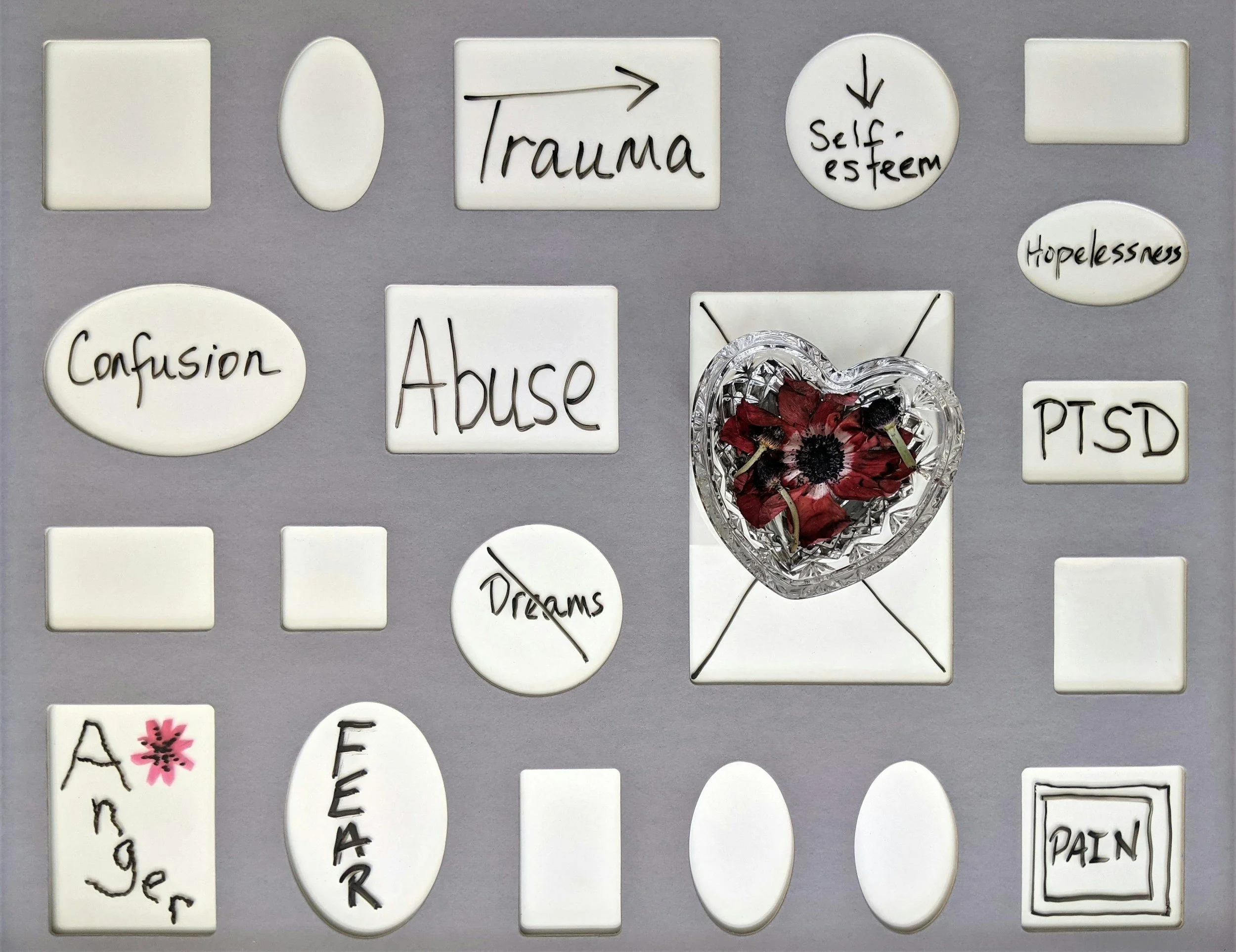
First responders—paramedics, firefighters, police officers, dispatchers, corrections staff, and search‑and‑rescue teams—carry a weight that most people never see. They run toward danger, witness trauma daily, and are expected to remain composed in situations that would overwhelm anyone else. Over time, this exposure can take a profound toll on mental health, often manifesting as post‑traumatic stress disorder (PTSD), operational stress injuries, and, for some, substance use disorders.
As an addiction specialist, I’ve seen firsthand how these challenges intersect. The good news is that help exists, recovery is possible, and no first responder has to navigate this alone.
Why First Responders Are at Higher Risk
1. Repeated Exposure to Trauma
Unlike a single traumatic event, first responders experience trauma cumulatively. Each call adds another layer—another image, another memory, another moment that the brain must process.
2. The Culture of “Toughness”
Many first responders feel pressure to appear strong, self‑reliant, and unaffected. This culture can make it difficult to ask for help, even when symptoms become overwhelming.
3. Chronic Stress and Hypervigilance
The nervous system of a first responder rarely gets to rest. Constant alertness, shift work, and unpredictable environments can keep the body in a prolonged stress response.
4. Self‑Medication
When sleep is disrupted, anxiety is high, or intrusive memories won’t stop, substances like alcohol, prescription medications, or illicit drugs can become a temporary escape. Over time, this coping strategy can evolve into dependency.
How PTSD and Addiction Interact
PTSD and addiction often form a reinforcing cycle:
PTSD symptoms—nightmares, flashbacks, irritability, emotional numbness—create distress.
Substances temporarily dull the symptoms.
The brain begins to rely on substances to cope.
Substance use worsens mental health, increases shame, and intensifies PTSD symptoms.
This is known as co‑occurring disorders or dual diagnosis, and it requires specialized, integrated treatment.
Recognizing the Signs
PTSD Symptoms
Intrusive memories or flashbacks
Avoidance of reminders of traumatic events
Hypervigilance or exaggerated startle response
Emotional numbness or detachment
Irritability, anger, or difficulty concentrating
Signs of Substance Use Concerns
Drinking or using drugs to “come down” after a shift
Increasing tolerance
Using alone or in secret
Difficulty stopping despite consequences
Withdrawal symptoms
If you recognize yourself or a colleague in these descriptions, it’s not a sign of weakness—it’s a sign of being human.
What Help Looks Like: Treatment Options That Work
1. Counselling With an Addiction Specialist or Therapist
Working with a clinician who understands trauma and addiction in first responders is crucial. Therapy may include:
Trauma‑focused cognitive behavioural therapy (TF‑CBT)
EMDR (Eye Movement Desensitization and Reprocessing)
Motivational interviewing
Relapse‑prevention strategies
Psychoeducation about trauma and the nervous system
A specialist can help untangle the relationship between trauma and substance use, build healthier coping strategies, and create a personalized recovery plan.
2. Peer Support Programs
Many first responders find comfort in speaking with others who “get it.” Peer support teams, group therapy, and specialized first‑responder recovery groups can reduce isolation and stigma.
3. Medical Support
For some, medication can help stabilize mood, reduce cravings, or manage PTSD symptoms. A physician or psychiatrist familiar with co‑occurring disorders can guide this process.
4. Inpatient or Outpatient Treatment Programs
Some treatment centres offer dedicated programs for first responders, combining trauma therapy, addiction treatment, and occupational support.
5. Family Counselling
Trauma and addiction affect the entire household. Family therapy can rebuild communication, strengthen relationships, and support long‑term recovery.
Why Early Intervention Matters
The longer PTSD and substance use go untreated, the more entrenched they become. Early support can:
Prevent escalation
Reduce the risk of burnout
Improve job performance
Strengthen relationships
Restore a sense of control and wellbeing
Most importantly, early intervention can save lives.
Breaking the Stigma
One of the biggest barriers to treatment is the belief that asking for help is a sign of weakness. In reality, reaching out is an act of courage. First responders spend their careers protecting others—seeking support is a way of protecting themselves.
Healing doesn’t mean forgetting what you’ve seen. It means learning to carry it differently.
A Message to First Responders
You are not alone. The trauma you’ve witnessed is real. The stress you carry is valid. And the symptoms you’re experiencing are not a personal failure—they’re a natural response to an unnatural level of exposure.
Recovery is possible. With the right support, you can regain balance, rebuild resilience, and reconnect with the parts of yourself that may feel lost.
If you’re ready to take the first step, reaching out to an addiction specialist or trauma‑informed therapist can open the door to healing.