
Blog
When a Loved One Leaves Rehab: What Families Can Expect, What to Watch For, and How to Support Long‑Term Recovery
When someone you love completes a 30‑day or longer residential treatment program, it is natural to feel hopeful — even relieved. Rehab is a powerful intervention. It provides structure, safety, detox support, therapy, and distance from triggers. But as an addiction specialist, I remind families of a difficult truth:
Rehab is the beginning of recovery, not the completion of it.
The real work begins the moment your loved one walks out the door and re‑enters the world that fueled their addiction. Understanding what to expect — and how to support them — can make the difference between sustained recovery and relapse.

The Neurochemical Collision: Understanding the Triad of Alcohol, Cocaine, and Compulsive Pornography
Alcohol, cocaine, and compulsive pornography use form one of the most volatile and clinically challenging addiction combinations I see as a specialist. Each one independently alters the brain’s reward circuitry — but together, they create a feedback loop that accelerates tolerance, distorts sexual arousal patterns, and increases the likelihood of acting out on fetishes.
GLP‑1 Medications: How They Support Weight Loss, Influence Addiction Pathways, and Fit Into a Holistic Recovery Lifestyle
In recent years, GLP‑1 medications such as semaglutide and tirzepatide have become widely known for their ability to support weight loss. But for people in addiction recovery, these medications have sparked a different kind of conversation — one that goes beyond weight and into the deeper neurobiology of cravings, impulse control, and reward.
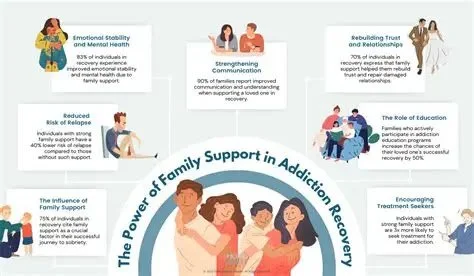
The Power of Family Support in Addition Recovery
Loved ones cope best when they shift from trying to control the addicted person to trying to care for themselves and influence recovery through healthy boundaries.

Controlling Alcohol Intake: How to Recognize When It Becomes a Problem — And What Happens When You Stop for Good
Alcohol is woven into our culture so tightly that many people don’t realize when their relationship with it has shifted from “social” to “problematic.” Unlike other substances, alcohol hides in plain sight. It’s legal, normalized, and socially encouraged — which makes it especially difficult for someone to look honestly at their drinking and admit that it’s harming them.
But the truth is simple: when alcohol begins to change who you are, you’ve lost the privilege of drinking. And reclaiming your life begins with recognizing that shift.
Tapering Off Psychiatric Medication: Understanding the Motives, the Risks, and the Power of a Holistic Recovery Lifestyle
In addiction recovery, it’s common for people to reach a point where they begin questioning their psychiatric medications. They may feel clearer, healthier, more grounded, and more connected to themselves than they have in years. With this new clarity often comes a desire to “get off everything” and live a more natural, holistic life.

Online Gambling Addiction: Understanding the Risks, Recognizing the Signs, and Finding a Path to Recovery
Online gambling has become one of the fastest‑growing addictions I see in my practice. What used to require a trip to a casino can now be accessed instantly—from a phone, tablet, or laptop—24 hours a day. For many people, gambling starts as entertainment. But for others, especially those dealing with stress, trauma, loneliness, or financial pressure, it can quickly become something far more dangerous.
Radical Honesty and Its Essential Role in Addiction Recovery
In addiction treatment, few concepts are as transformative — or as uncomfortable — as radical honesty. It is not simply “telling the truth.” It is the practice of removing distortion, dropping self‑protection, and facing reality without filters. For people in recovery, radical honesty becomes the foundation on which every other part of healing is built.
Addiction thrives in secrecy, denial, and half‑truths. Recovery thrives in clarity, accountability, and truth‑telling. The two cannot coexist.

Understanding the NIHB Program: A Guide for Clients Seeking Support
When someone is living with addiction, mental‑health challenges, or the long‑term impacts of trauma, navigating the healthcare system can feel overwhelming. For many First Nations and Inuit clients, the Non‑Insured Health Benefits (NIHB) Program is a crucial lifeline—one that ensures access to essential health services that might otherwise be out of reach.
As an addiction specialist, I often work with clients who don’t realize they qualify for NIHB, or who aren’t sure what the program covers. Understanding this program can open the door to counselling, medication, medical supplies, and transportation to treatment—supports that can make recovery safer and more accessible.
The Commitment Problem in Addiction — And the Transformation That Follows When Someone Finally Says “Yes” to Recovery
One of the hardest truths in this field is that the person who needs help the most is often the least able to commit to getting well. Families see the destruction, friends see the decline, clinicians see the risk — but the person in active addiction often feels trapped, overwhelmed, or numb.
Commitment is not a simple decision. It is a psychological, neurological, and emotional turning point. And when it finally happens, the change can be profound.

Being Healthy in Mind, Body, and Spirit: Why Total Abstinence Creates the Conditions for a Whole Life
Health is not one thing. It’s not just a strong body, a calm mind, or a sense of purpose. It’s the integration of all three. When someone is mentally grounded, physically well, and spiritually connected, they experience a kind of internal alignment that makes destructive behaviours unnecessary.
For people with addiction histories—or even those who simply use substances to cope—total abstinence is not about deprivation. It’s about creating the internal stability needed for a full, meaningful life.
Below is a clear, grounded look at why dopamine‑driven behaviours pull people off balance, why abstinence restores homeostasis, and how a person’s life expands once they become whole.
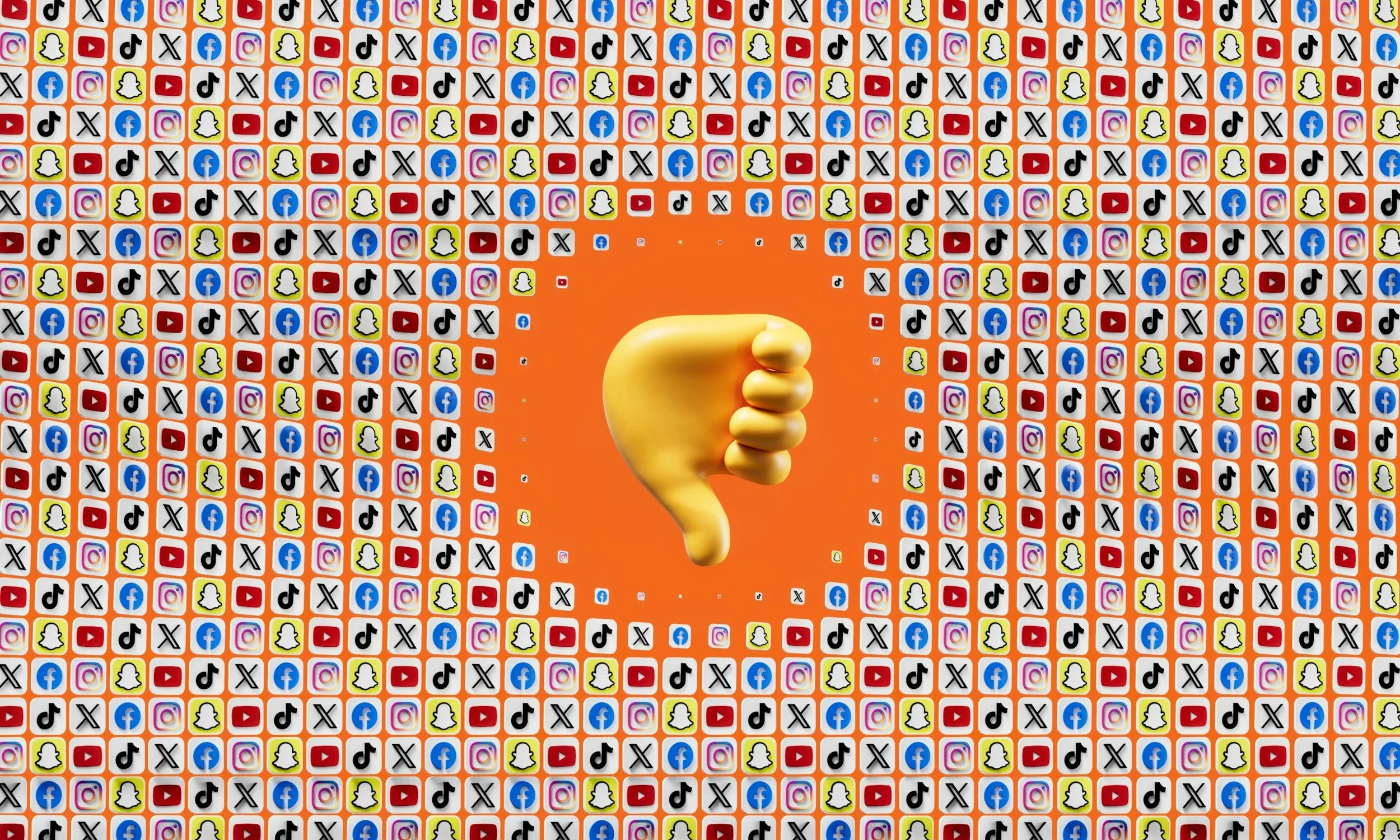
The Hidden Link Between Social Media, Gaming, Cell‑Phone Addiction and OCD
In recent years, I’ve seen a dramatic rise in clients struggling with behavioural addictions—especially social media, gaming, and compulsive phone use. What many people don’t realize is how closely these behaviours are tied to Obsessive‑Compulsive Disorder (OCD) and OCD‑like patterns.
These addictions don’t just coexist with OCD.
They fuel it, intensify it, and make recovery harder.
Understanding this connection is the first step toward healing.
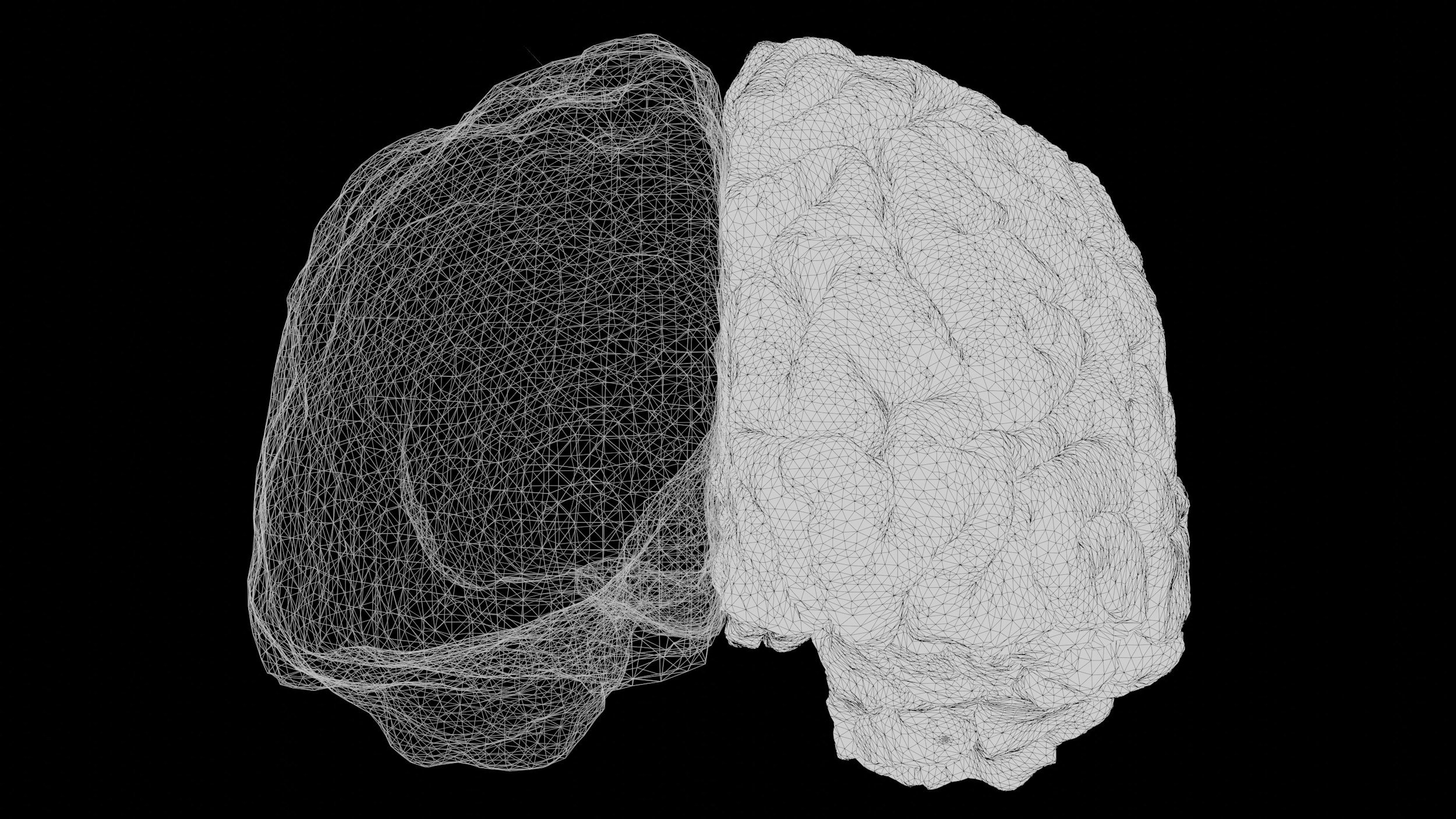
The Teenage Brain, Addiction, and the Power of 30 Days of Abstinence
The teenage brain is extraordinary. It’s creative, adaptable, emotionally intense, and wired for exploration. But it is also unfinished. The areas responsible for judgment, impulse control, emotional regulation, and long‑term planning are still developing well into the mid‑20s. This makes teens far more vulnerable to the effects of substances—especially cannabis and alcohol, the two most commonly used drugs among young people.

The Insidious Nature of Alcohol and Cocaine — And the Road to Recovery
The combination of alcohol and cocaine is one of the most deceptively dangerous pairings in addiction medicine. Individually, each substance carries its own risks. Together, they create a biochemical storm that is far more destructive than most people realize. As an addiction specialist, I’ve seen this combination derail careers, relationships, health, and identity — often faster than either substance alone.
This blog explores why the alcohol–cocaine pairing is uniquely harmful, how it traps people in a cycle that feels impossible to escape, and what recovery actually looks like.
Why People With ADHD Chase Dopamine — And How They Can Find Healthier Ways to Regulate Their Minds
People with ADHD aren’t “weak,” “impulsive,” or “undisciplined.” They are dopamine‑deficient, and their brains are constantly trying to correct that imbalance. When you understand this, the entire pattern of ADHD behaviour suddenly makes sense: the restlessness, the impulsivity, the hyperfocus, the boredom intolerance, the thrill‑seeking, the late‑night scrolling, the addictions.
ADHD isn’t a character flaw.
It’s a neurochemical hunger.
And when dopamine is low, the brain will look for it anywhere it can find it.

Dopamine, Glutamate, and the Bondage of Addiction: Understanding the Cycle and Finding Freedom
Addiction is not a failure of character. It is not a lack of willpower. It is a brain‑based condition driven by two powerful chemicals: dopamine and glutamate. These two neurotransmitters—normally responsible for motivation, learning, and survival—become hijacked in addiction, creating a cycle that feels impossible to escape.
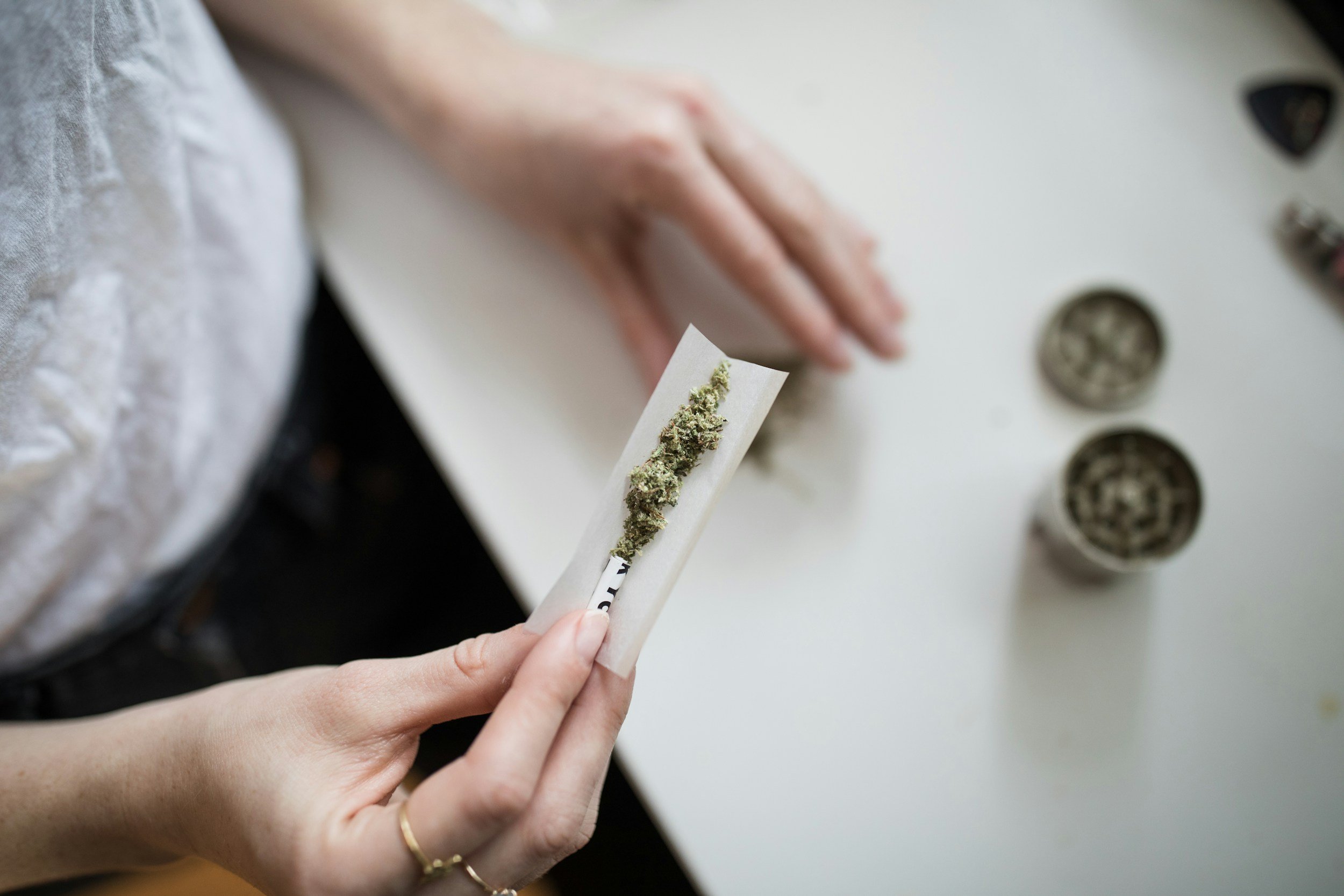
Cannabis Isn’t as Harmless as We Think: A Specialist’s View on Rising Psychosis, Daily Use, and the Path Out
Public opinion has shifted dramatically in the last decade. Cannabis is now widely viewed as natural, safe, and even therapeutic. As an addiction specialist, I understand why: legalization reduced stigma, medical use became mainstream, and many people use cannabis without obvious short‑term harm.

Thirty Days Sober: What Happens to the Brain, the Body, and the Heart
Thirty days of complete sobriety is not just a milestone — it is a profound act of courage. It is the moment a person begins to feel life returning to them. It is the first time the brain gets a chance to breathe, repair, and stabilize after years of being pushed, numbed, overstimulated, or shut down.

Getting and Staying Sober as a Teenager: The Courage to Choose Your Future
Getting sober as a teenager is one of the bravest decisions a young person can make. It goes against the pressure to fit in, the pull of curiosity, and the belief that “everyone else is doing it.” It requires maturity long before most people ever have to think about their relationship with substances.
Sobriety at a young age is not a punishment. It’s a superpower.
It’s a chance to build a life with clarity, strength, and purpose—before addiction has the chance to take anything from you.
But it’s also not easy. And that’s the truth.