
Online Gambling Addiction: Understanding the Risks, Recognizing the Signs, and Finding a Path to Recovery
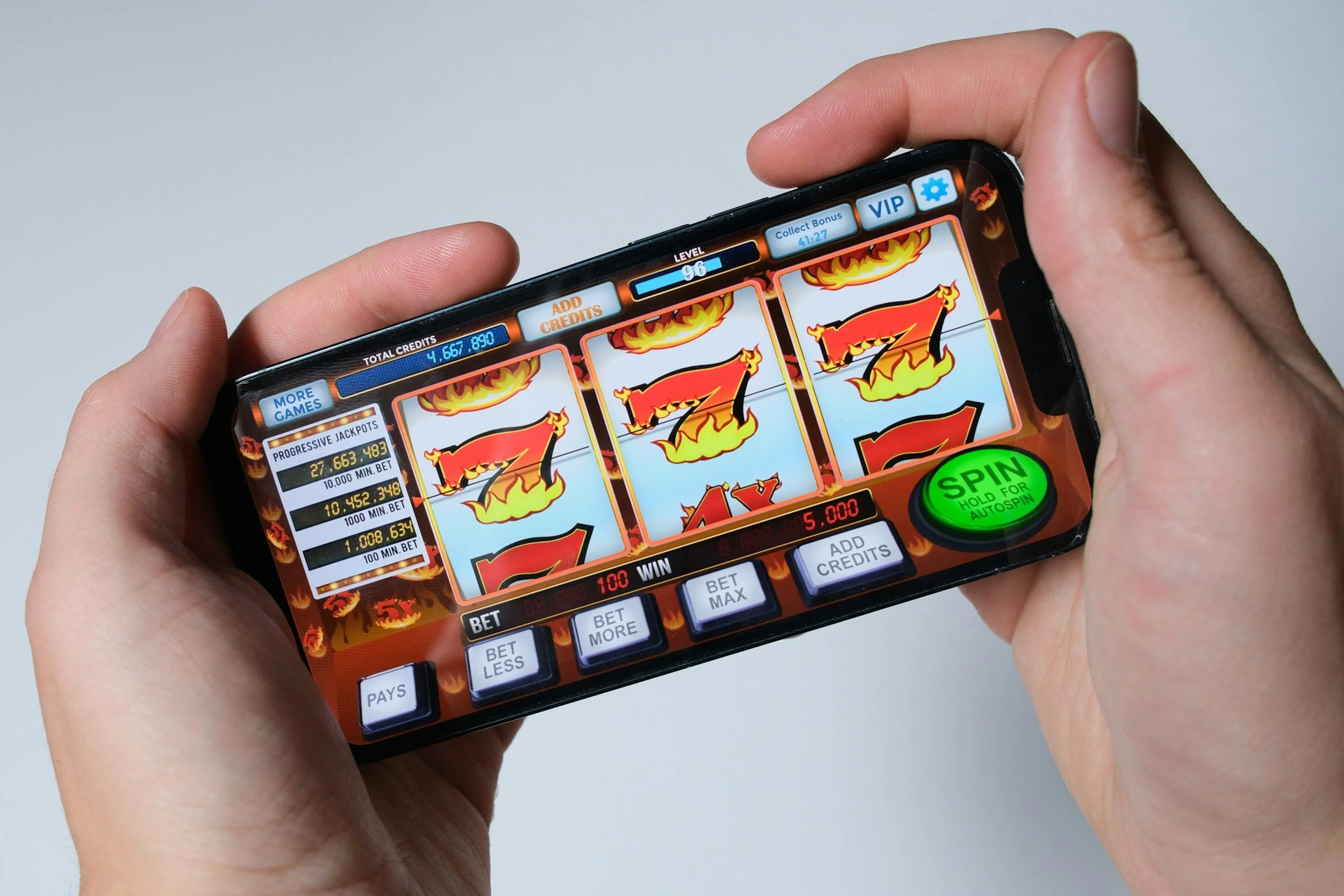
Online gambling has become one of the fastest‑growing addictions I see in my practice. What used to require a trip to a casino can now be accessed instantly—from a phone, tablet, or laptop—24 hours a day. For many people, gambling starts as entertainment. But for others, especially those dealing with stress, trauma, loneliness, or financial pressure, it can quickly become something far more dangerous.
As an addiction specialist, I want to help you understand why online gambling is uniquely addictive, how to recognize when it has become a problem, and what supports are available to help you stop for good.
Why Online Gambling Is So Addictive
Online gambling is designed to keep people playing. The platforms use psychological and neurological triggers that make it extremely difficult to stop once the cycle begins.
Key factors that make online gambling high‑risk
24/7 access — no closing hours, no travel, no barriers.
Fast play cycles — slots, sports bets, and casino games resolve in seconds, creating rapid dopamine spikes.
Illusion of control — players often believe they can “win it back,” even when outcomes are random.
Hidden spending — digital payments make it easy to lose track of money.
Isolation — gambling alone increases secrecy and shame, which fuels the addiction.
Online gambling is not a moral failing. It is a brain‑based addiction that alters reward pathways in the same way substances do.
When Does Online Gambling Become a Problem?
Gambling becomes a problem when it begins to harm your life—emotionally, financially, socially, or mentally. Many people don’t realize how far things have gone until they’re overwhelmed.
Signs you may be developing a gambling problem
Spending more time or money gambling than intended
Feeling unable to stop even when you want to
Chasing losses or trying to “win back” money
Hiding gambling from loved ones
Feeling guilt, shame, or anxiety after gambling
Borrowing money, using credit cards, or missing bills
Gambling to escape stress, trauma, or emotional pain
Thinking about gambling constantly
If you recognize yourself in these signs, you’re not alone—and you’re not beyond help.
Why People Get Stuck in the Cycle
Online gambling addiction is often rooted in deeper emotional experiences. In my work, I frequently see gambling used as a way to cope with:
Trauma
Depression or anxiety
Loneliness
Financial stress
Relationship difficulties
Boredom or lack of purpose
The gambling itself becomes a temporary escape—but the consequences create even more stress, which leads to more gambling. This is the addiction loop, and breaking it requires both practical tools and emotional healing.
Help and Treatment Options That Work
Recovery from gambling addiction is absolutely possible. The most effective approach combines behavioural strategies, counselling, and support systems.
1. Professional Counselling
Working with a therapist trained in addiction can help you:
Understand the emotional triggers behind gambling
Develop healthier coping strategies
Rebuild self‑worth
Repair relationships
Create a long‑term recovery plan
Therapies that work well include CBT, motivational interviewing, and trauma‑informed therapy.
2. Financial Safeguards
These practical steps help reduce harm while you work on recovery:
Self‑exclusion from gambling sites
Blocking software (e.g., Gamban, BetBlocker)
Removing saved credit cards from devices
Setting spending limits with your bank
Having a trusted person help manage finances temporarily
3. Support Groups
Peer support can reduce shame and isolation. Options include:
Gamblers Anonymous
SMART Recovery
Online recovery communities
4. Crisis and Immediate Support
If gambling is causing severe distress, suicidal thoughts, or financial crisis, immediate help is available through crisis lines and local mental‑health services.
How to Stop Online Gambling for Good
Stopping for good is possible, but it requires a structured plan. Here’s the approach I use with clients:
Step 1: Remove access
Block gambling sites, delete apps, and limit financial access.
Step 2: Identify triggers
Understand what emotional states lead to gambling.
Step 3: Build replacement behaviours
Healthy coping strategies must replace the dopamine cycle.
Step 4: Strengthen support
Counselling, peer groups, and accountability partners matter.
Step 5: Heal the root cause
Long‑term recovery requires addressing the emotional pain beneath the addiction.
Step 6: Create a relapse‑prevention plan
This includes warning signs, coping tools, and support contacts.
Recovery is not about willpower—it’s about support, structure, and healing.
A Compassionate Reminder
If you’re struggling with online gambling, please know this: You are not weak. You are not broken. You are not alone.
Gambling addiction is a treatable condition, and reaching out for help is a sign of strength. With the right support, you can regain control, rebuild your life, and move forward with clarity and confidence.