
The Teenage Brain, Addiction, and the Power of 30 Days of Abstinence
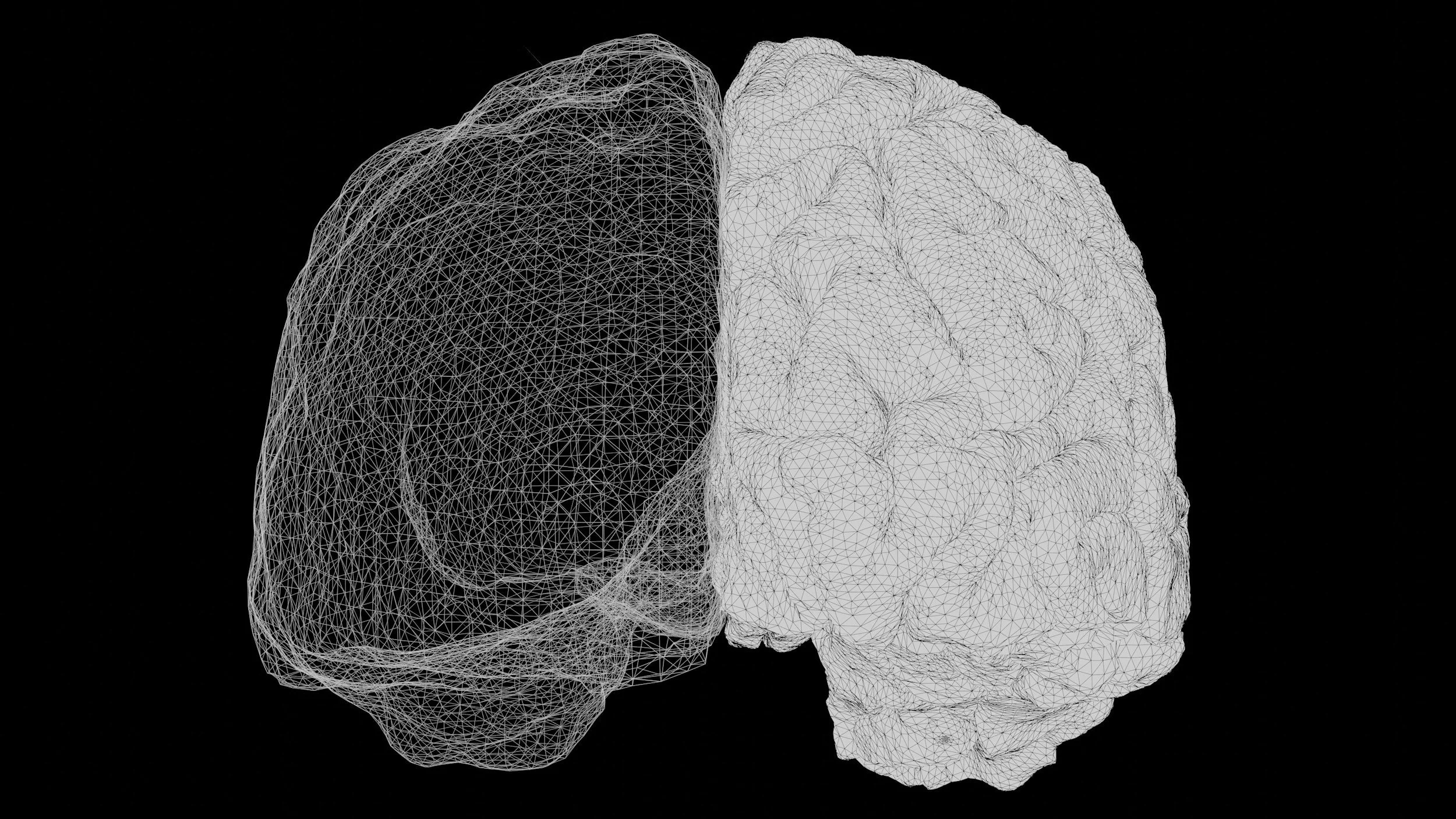
The teenage brain is extraordinary. It’s creative, adaptable, emotionally intense, and wired for exploration. But it is also unfinished. The areas responsible for judgment, impulse control, emotional regulation, and long‑term planning are still developing well into the mid‑20s. This makes teens far more vulnerable to the effects of substances—especially cannabis and alcohol, the two most commonly used drugs among young people.
When a teen becomes caught in a cycle of substance use, the consequences reach far beyond the behaviour itself. It affects their mood, motivation, learning, relationships, and even the effectiveness of the medications they may be taking for conditions like ADHD or depression.
Understanding why this happens—and why a period of abstinence is so powerful—is essential for any teen or family navigating early addiction.
1. Why the Teenage Brain Is So Vulnerable to Cannabis and Alcohol
The adolescent brain is still building the neural pathways that support:
Emotional regulation
Decision‑making
Motivation
Focus and attention
Stress tolerance
Impulse control
Cannabis and alcohol interfere directly with these systems. They hijack the brain’s reward circuitry, flooding it with dopamine and creating a powerful association between substances and relief.
Over time, the brain begins to rely on substances to:
Calm anxiety
Escape stress
Boost mood
Cope with boredom
Numb uncomfortable emotions
This is why teens often describe feeling “dependent” long before they realize they’re addicted.
2. How Cannabis and Alcohol Mask—and Worsen—Underlying Mental‑Health Symptoms
Many teens who use substances are also struggling with:
ADHD
Depression
Anxiety
Trauma
Emotional dysregulation
Substances temporarily numb these symptoms, but they also intensify them over time. The brain becomes less able to regulate itself naturally, and the teen becomes more reliant on the substance to feel “normal.”
This creates a cycle where the substance becomes both the problem and the attempted solution.
3. Why ADHD and Depression Medications Don’t Work Well During Active Addiction
This is one of the most important—and misunderstood—parts of teen addiction.
A. Cannabis and alcohol disrupt neurotransmitters
Medications for ADHD and depression rely on stable brain chemistry. Substances interfere with:
Dopamine
Serotonin
Norepinephrine
GABA
Glutamate
When these systems are disrupted, medications cannot do their job effectively.
B. Substances override the medication’s effects
A stimulant or antidepressant cannot compete with the dopamine surge from cannabis or the depressant effects of alcohol. The medication becomes muted or inconsistent.
C. Teens often misinterpret this as “the medication doesn’t work”
In reality, the medication is trying to work—but the brain is being pulled in two opposite directions.
D. This leads to frustration, hopelessness, and increased use
Teens may think:
“Nothing helps.”
“I’m broken.”
“The meds don’t work, so why bother?”
But the issue is not the medication—it’s the interference from substances.
4. Why 30 Days of Abstinence Is So Important
A 30‑day period of abstinence is not a punishment. It’s a reset.
A. The brain needs time to stabilize
Within 30 days, the brain begins to:
Regulate dopamine more naturally
Improve sleep patterns
Reduce anxiety
Restore emotional balance
Increase focus and motivation
This gives medications a chance to work as intended.
B. It reveals the true baseline
Without substances masking symptoms, we can finally see:
What the teen’s real mood is
How severe their ADHD symptoms are
Whether depression is substance‑induced or independent
What emotional triggers need support
This clarity is essential for effective treatment.
C. It breaks the reward loop
Abstinence interrupts the cycle of:
Stress → Use → Relief → Crash → Stress → Use
This is the first step toward long‑term recovery.
D. It builds confidence
Teens often say:
“I didn’t think I could do this.”
“I feel clearer.”
“I’m actually sleeping better.”
These early wins matter.
5. What an Addiction Specialist Helps With
Working with an addiction specialist is different from general therapy because it focuses on:
A. Understanding the function of the substance
Teens learn why they use—not just that they use.
B. Rebuilding emotional regulation skills
Substances become unnecessary when healthier coping tools are in place.
C. Supporting abstinence without shame
The goal is not perfection—it’s progress.
D. Coordinating with mental‑health providers
This ensures medications are evaluated accurately once the brain is stable.
E. Helping families understand the process
Parents learn how to support without enabling or escalating conflict.
6. The Hopeful Truth
Teenage addiction is frightening, but it is also highly treatable. The teenage brain is still growing, still flexible, still capable of remarkable healing.
With abstinence, support, and the right therapeutic approach, teens can:
Regain control
Improve their mental health
Rebuild motivation
Strengthen relationships
Return to school or work with clarity
Develop healthier coping strategies
The most important message is this:
A teen is not their addiction. They are a developing brain trying to cope with overwhelming emotions in the only way they know how. With support, they can learn a better way.