
Blog

When Drinking Crosses the Line: Losing Control, Finding Hope, and the Path Back to Moderation
As an addiction specialist, I’ve worked with countless people who never imagined they would lose control with alcohol. They weren’t daily drinkers. They didn’t fit the stereotype of “an alcoholic.” They simply drank socially—until one day, they didn’t. What started as occasional overindulgence slowly became binge drinking, blackouts, risky decisions, and mornings filled with regret.

The Devastating Reality of Addiction in Young People — And Why There Is Still Hope
There is a particular kind of heartbreak that comes when someone under the age of 21 is struggling with addiction. At an age when life is supposed to be opening up — full of possibility, curiosity, and discovery — addiction can close the world in around them. It can steal their confidence, their joy, their sense of identity, and their belief in the future.

Recovery Isn’t Just About Stopping — It’s About Replacing: How New Experiences and Strengths Become the Fuel of a Sober Life
One of the biggest misconceptions about recovery is that it’s simply about removing alcohol, drugs, or addictive behaviors. As an addiction specialist, I can tell you that removal alone rarely works. The human brain hates a vacuum. When you take something away — especially something that once provided excitement, escape, or identity — the mind immediately looks for what will fill that space.

Why Group Therapy Matters After Cannabis‑Induced Psychosis
Cannabis‑induced psychosis (CIP) is not just a “bad high.” It is a serious medical event linked to elevated risk of future psychotic episodes and even long‑term schizophrenia‑spectrum disorders. In Ontario, people who experience CIP have a 241‑fold higher risk of developing a schizophrenia‑spectrum disorder within three years compared to the general population. cmaj.ca
Because of this elevated risk, ongoing support is essential, and group therapy—when facilitated by an addiction specialist—offers several unique benefits that individual therapy alone cannot provide.


The Hidden Weight: Shame, Guilt, and Addiction in First Responders
As an addiction specialist, I’ve worked with many first responders—paramedics, firefighters, police officers, corrections officers, dispatchers, and military personnel. They are the people society relies on during its worst moments. They run toward danger, absorb trauma most people never witness, and carry the emotional weight of other people’s tragedies.
But when a first responder develops an addiction, the shame can be crushing. The guilt can be paralyzing. And the fear of reaching out for help can feel impossible.
This is the silent crisis behind the uniform.

When Loved Ones Start Seeking Help First: Why Consequences — Not Enabling — Motivate Change
One of the most common patterns I see in addiction treatment is this:
Loved ones reach out for help long before the person struggling with addiction does.
This is not a failure.
It is not a sign that the person “doesn’t care.”
It is simply how addiction works.
Addiction is a disease that distorts insight, minimizes consequences, and convinces the person that they are still in control. Families, on the other hand, feel the impact clearly and painfully. They see the decline, the chaos, the emotional changes, and the risks long before the person with the addiction is ready to acknowledge them.
This is why families often become the first point of contact in the recovery process — and why their role is absolutely essential.
Why People Try Cocaine, Why It Hooks So Fast, and How Lasting Abstinence Is Possible
Cocaine is one of the most paradoxical substances people encounter: it offers instant euphoria, yet carries the potential for rapid psychological dependence. Many people wonder why anyone would try a drug with such obvious risks. The truth is more complex — and more human — than it may seem.
Below is a deeper look at why people try cocaine, what makes it uniquely addictive, and how someone can build a path toward lifelong abstinence.

Binge Drinking: Understanding the Rush, the Risks, and the Road Back to Control
Binge drinking is one of the most misunderstood patterns of alcohol use. Many people imagine it as something that only happens in college or at parties, but in reality, binge drinking affects people of all ages — professionals, parents, students, and anyone who uses alcohol as a way to unwind, escape, or feel alive.
As an addiction specialist, I’ve seen how binge drinking can start innocently and gradually become a cycle that feels harder and harder to break. But I’ve also seen people reclaim control, rebuild healthier habits, and rediscover a balanced relationship with alcohol.
This blog explores the emotional “switch” that flips once drinking begins, the situations where binge drinking thrives, the long‑term consequences if it continues, and the possibility of returning to moderate drinking.

Cannabis‑Induced Psychosis: What Loved Ones Need to Know
Cannabis is often marketed as harmless, natural, even therapeutic. But for a subset of people—especially those with genetic vulnerability, trauma histories, or heavy daily use—cannabis can trigger something far more serious: psychosis.
Cannabis‑induced psychosis (CIP) is real, destabilizing, and deeply frightening for both the person experiencing it and the people who love them. I see it in clinical practice far more often than most people realize.
This is a short, clear look at what CIP is, how it affects families, and what can be done to prevent and treat it.

Resentment, Fear, and Relationship Struggles in Recovery: Why Making Amends Matters
As an addiction specialist, I’ve learned that sobriety isn’t just about removing substances — it’s about healing the emotional landscape that addiction once ruled. Three themes show up again and again in early and long‑term recovery: resentment, fear, and relationship conflict. These aren’t signs of failure. They’re signs of being human.
But left unaddressed, they can quietly pull someone back toward old patterns. When we shine a light on them — and take responsibility for our part — recovery becomes sturdier, more peaceful, and far more sustainable.
Below are some of the most common examples I see in practice, and why making amends is such a powerful part of staying on the path.

When Both Partners Are Addicted but Only One Wants to Stop: A Guide to Love, Change, and Hard Choices
When two people are in a relationship and both are struggling with addiction, the bond can feel intense — almost like a shared world that no one else understands. There’s comfort in the familiarity, in the rituals, in the sense of “us against the world.” But when one partner reaches a point where they want to stop using, everything shifts.

Loving Someone With an Addiction: What Young People Need to Know About Boundaries, Consequences, and Emotional Survival
Being young and in love can feel intense, hopeful, and full of possibility. But when addiction enters the relationship, everything becomes heavier. As an addiction specialist, I’ve watched many young people try to carry the weight of their partner’s struggle on their own shoulders. They love deeply, they want to help, and they often believe they can be the one to “save” the person they care about.
But love alone can’t compete with addiction.
And that’s one of the hardest truths to learn.

Why Support From Loved Ones Is Essential in Addiction Recovery
When someone enters treatment for addiction, it’s easy to assume the professionals will take it from there. But from the perspective of an addiction specialist, recovery is not something that happens in isolation. Treatment provides structure, tools, and guidance — but the presence, support, and steady encouragement of loved ones often determines whether those tools take root.

Today’s Cannabis: Why It’s More Dangerous, More Addictive, and More Damaging Than People Realize
As an addiction specialist, I meet many people who believe cannabis is harmless because “it’s natural,” “everyone uses it,” or “it’s legal now.” But the cannabis people are using today is not the same substance that existed 20 or 30 years ago. Modern cannabis is dramatically more potent, more addictive, and more capable of causing both short‑ and long‑term harm to the brain.
The science is clear: today’s high‑THC cannabis carries real risks—especially for young people, daily users, and anyone using it to cope with stress, anxiety, trauma, or emotional pain.

Meditation in Recovery: A Daily Discipline That Rewires the Brain
Recovery is not just about removing alcohol or substances from your life — it’s about building a new internal foundation. Meditation is one of the most powerful tools we have for that transformation. As an addiction specialist, I’ve seen meditation help people stabilize cravings, regulate emotions, and rebuild a sense of inner safety that addiction often erodes.
Episode #272 of the Huberman Lab Podcast, where Dr. Andrew Huberman breaks down the neuroscience of meditation, offers a clear explanation of why meditation is so effective in recovery. His insights align beautifully with what we see clinically: meditation literally changes the brain in ways that support long‑term sobriety.
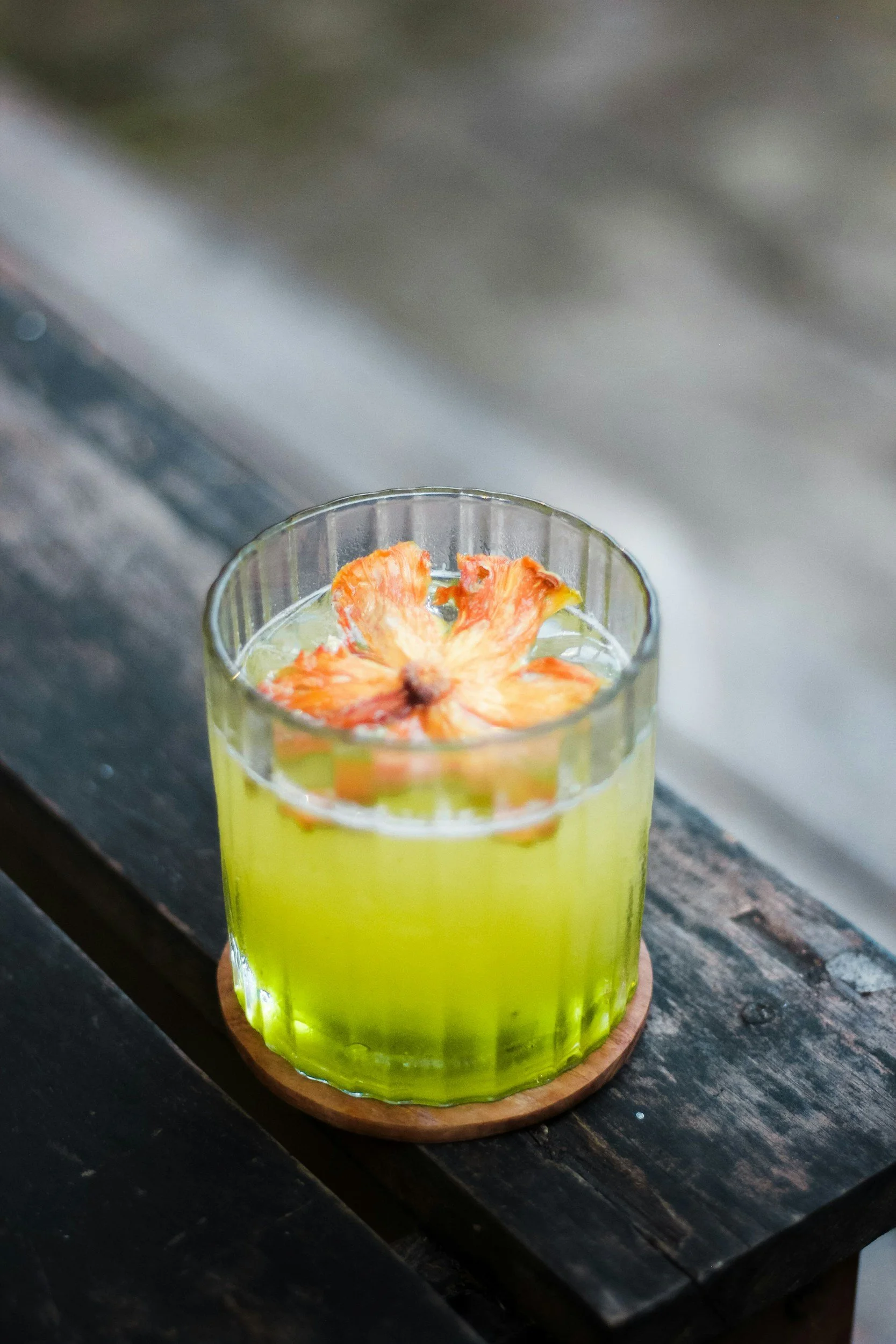
Non‑Alcoholic Beverages in Recovery: A Helpful Tool or a Hidden Risk?
For many people in early recovery, the world of non‑alcoholic (NA) beverages can feel like a lifeline — a way to participate socially without jeopardizing sobriety. As an addiction specialist, I’ve seen NA drinks play a meaningful role in harm reduction, confidence building, and social reintegration. I’ve also seen them become a slippery slope when used without awareness, support, or accountability.
Like most things in recovery, the key is intention, timing, and honesty.

Why Naltrexone Works at First — and Why It Can Stop Working: An Addiction Specialist’s Perspective
Naltrexone is one of the most widely studied medications used in the treatment of alcohol use disorder. When paired with counseling and recovery support, it can reduce cravings and help people break the cycle of heavy drinking. But it’s also a medication that many people misunderstand. It works well for some, works briefly for others, and for a portion of people, it doesn’t work at all.

Gratitude as a Cornerstone of RecoveryWhy Gratitude Is an Action—And How Humility Protects Sobriety
In addiction recovery, people often hear the phrase “practice gratitude.” It can sound cliché, almost too simple for something as complex as rebuilding a life. But from the perspective of an addiction specialist, gratitude is not a feel‑good slogan. It is a powerful behavioral tool that rewires thinking, stabilizes emotions, and strengthens the foundation of long‑term sobriety.

Why Counseling Is a Cornerstone of Addiction Recovery — For Individuals and Their Loved Ones
As an addiction specialist, I’ve seen countless people walk through the doors of recovery carrying not just a substance or behavior problem, but a story — often one filled with pain, confusion, shame, and hope. Recovery is never just about stopping the substance or behavior. It’s about rebuilding a life, repairing relationships, and rediscovering a sense of self.
That’s why counseling isn’t an “extra” in recovery. It’s one of the pillars that holds the entire process together.