
Blog

Saving a Child From Chronic Addiction: What Consequences Parents Can Use — and Why They Matter
When a teenager or young adult begins slipping into chronic substance use or behavioural addiction, parents often feel terrified, helpless, and unsure of how to intervene. Addiction in youth is not simply “bad behaviour.” It is a progressive condition that rewires the brain, distorts judgment, and erodes motivation. Early intervention is critical — and the consequences parents choose can either interrupt the addiction or unintentionally enable it.
As an addiction specialist, I tell parents this truth: You cannot control your child’s addiction, but you can control the environment that addiction lives in. Consequences are not punishments — they are boundaries that protect your child’s future.
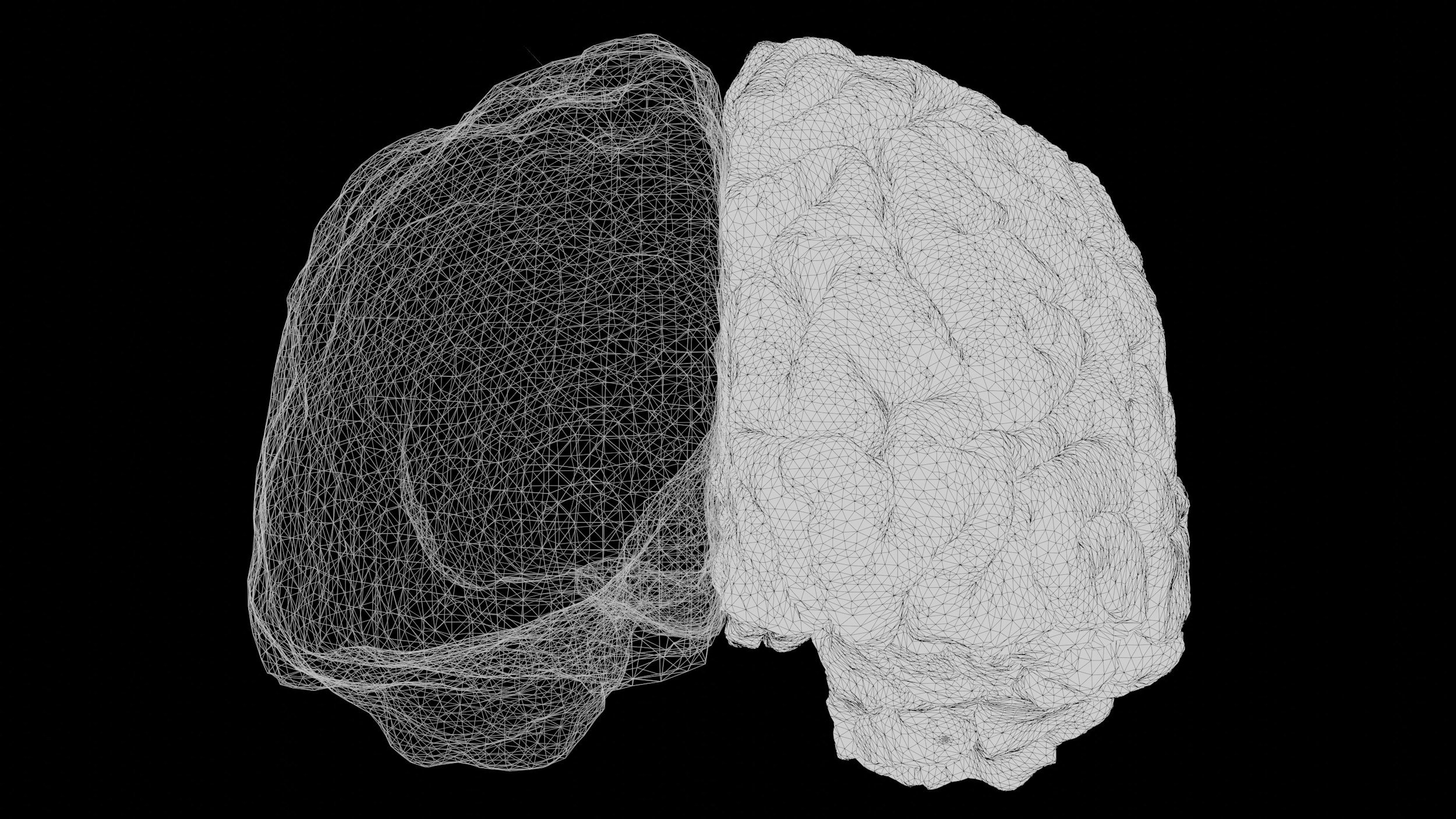
The Teenage Brain, Addiction, and the Power of 30 Days of Abstinence
The teenage brain is extraordinary. It’s creative, adaptable, emotionally intense, and wired for exploration. But it is also unfinished. The areas responsible for judgment, impulse control, emotional regulation, and long‑term planning are still developing well into the mid‑20s. This makes teens far more vulnerable to the effects of substances—especially cannabis and alcohol, the two most commonly used drugs among young people.