
Energy Drinks in Recovery: Why They’re Riskier Than You Think
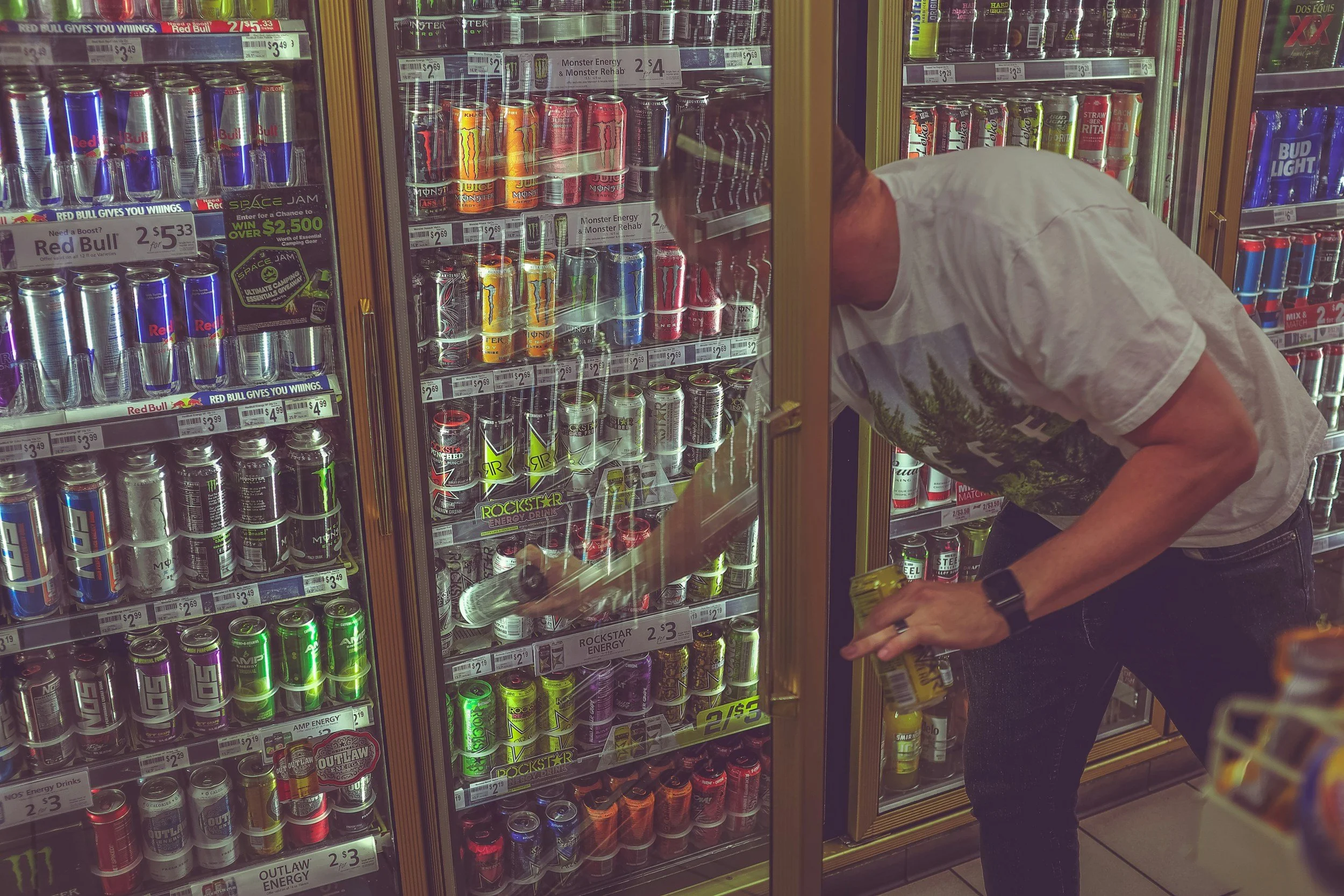
Recovery is a rebuilding process — physically, mentally, and emotionally. Many people reach for energy drinks because they’re tired, stressed, or trying to push through early sobriety. It seems harmless enough. After all, they’re sold everywhere, right?
But for someone recovering from alcohol or substance use, energy drinks can create real risks that often go unnoticed. They can overstimulate the nervous system, trigger cravings, and mimic the highs and crashes that once fueled addictive patterns.
Let’s break down why energy drinks deserve a closer look in recovery.
1. Energy Drinks Overstimulate the Same Stress Systems That Addiction Disrupts
Energy drinks contain high levels of caffeine, stimulants, and additives that activate the body’s stress response. For someone in recovery, this can be destabilizing.
Common effects include:
Racing heart
Anxiety
Irritability
Restlessness
Sleep disruption
These symptoms can feel similar to withdrawal or early relapse warning signs, which can be confusing and emotionally triggering.
2. They Can Trigger Cravings Through Dopamine Spikes
Addiction rewires the brain’s reward system. Energy drinks — especially those with added stimulants — can cause a fast dopamine rise, followed by a crash.
This rollercoaster can:
Trigger cravings for other substances
Reinforce “quick fix” thinking
Make emotional regulation harder
Increase impulsivity
In recovery, stability is everything. Energy drinks push the brain in the opposite direction.
3. They Increase Anxiety — a Major Relapse Risk
Anxiety is one of the most common symptoms people face in early sobriety. Energy drinks amplify it.
High caffeine intake can cause:
Panic sensations
Shakiness
Difficulty concentrating
Feeling “on edge”
For someone who once used alcohol or substances to calm these feelings, this can be a dangerous emotional setup.
4. They Disrupt Sleep — and Poor Sleep Weakens Recovery
Sleep is one of the strongest predictors of relapse risk. Energy drinks can interfere with sleep for up to 10–12 hours after consumption.
Poor sleep leads to:
Low mood
Irritability
Poor decision‑making
Increased cravings
Emotional exhaustion
Recovery requires rest. Energy drinks steal it.
5. They Stress the Heart and Nervous System
Many people in recovery are healing from years of physical strain. Energy drinks add more stress to the body.
Potential effects include:
Elevated blood pressure
Heart palpitations
Chest discomfort
Dehydration
Blood sugar spikes
These symptoms can be frightening and destabilizing, especially for someone already working to rebuild physical health.
6. They Reinforce Addictive Patterns
Energy drinks can become a substitute behavior — something to reach for when stressed, tired, or emotionally overwhelmed.
This can mirror old patterns like:
Using something external to cope
Chasing a “boost”
Relying on a substance to change how you feel
Recovery is about learning new internal coping skills. Energy drinks can get in the way of that growth.
7. Healthier Alternatives Support Recovery Instead of Undermining It
People in recovery often feel tired — that’s normal. The body is healing. Instead of energy drinks, safer options include:
Water with electrolytes
Herbal teas
Light exercise
Balanced meals
Short naps
Mindfulness or breathing exercises
Consistent sleep routines
These support the nervous system rather than overstimulating it.
Final Thoughts: Protecting Your Recovery Means Protecting Your Nervous System
Energy drinks may seem harmless, but for someone in recovery, they can create a cascade of physical and emotional reactions that increase vulnerability. Recovery thrives on stability, rest, and emotional regulation — and energy drinks work against all three.
Choosing gentler, healthier ways to boost energy is not just a wellness decision. It’s a recovery decision.