
Breaking the Cycle: How Polysubstance Abuse and Behavioural Addictions Hijack the Brain’s Reward System
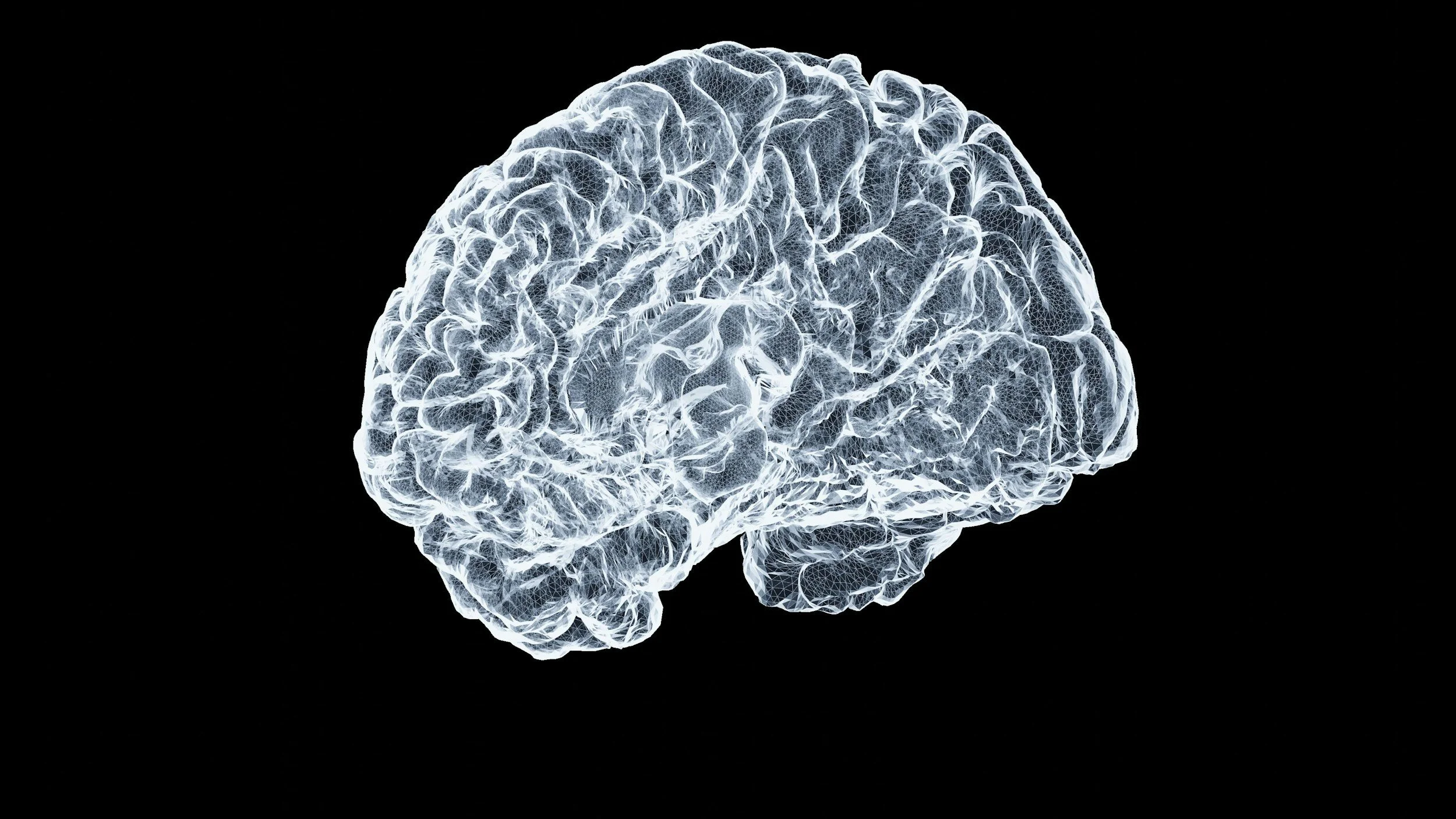
Addiction rarely arrives as a single, isolated problem. In my work as an addiction specialist, I’ve seen how often substance use overlaps with behavioural addictions — gambling, compulsive sexual behaviour, gaming, shopping, even chronic social media use. When these patterns combine, they don’t just add up; they amplify one another, creating a powerful and destructive loop within the brain’s reward circuitry.
Understanding what’s happening inside the brain is one of the most empowering steps a person can take. Addiction is not a moral failure. It’s a neurobiological trap — but one that can be escaped with the right structure, support, and sustained action.
How the Brain’s Reward System Gets Hijacked
The brain’s reward system is designed to reinforce survival behaviours: eating, bonding, achievement, intimacy. These activities release dopamine, a neurotransmitter that signals pleasure, motivation, and learning.
What addiction does is override this system.
Whether the trigger is a drug or a behaviour, the brain learns to associate the addictive activity with an outsized dopamine surge. Over time:
Dopamine receptors become less sensitive, meaning normal life feels dull or unmotivating.
The prefrontal cortex — the decision‑making centre — becomes impaired, reducing impulse control.
The amygdala and stress circuits become hyperactive, making withdrawal feel emotionally overwhelming.
The hippocampus stores powerful memory cues, making triggers feel impossible to ignore.
This is why addiction feels like being pulled by a force stronger than willpower alone.
Why Polysubstance Abuse Is Especially Dangerous
Polysubstance use — combining multiple drugs — compounds the neurological impact.
Different substances activate different pathways, overwhelming the brain’s regulatory systems.
Cross‑sensitization occurs, meaning one substance increases cravings for another.
Withdrawal becomes more complex, because the brain is adapting to multiple chemical disruptions.
Risk of overdose increases, especially when depressants and stimulants are mixed.
The brain becomes trapped in a cycle of chasing balance, relief, or escape — and the reward system becomes increasingly dysregulated.
Behavioural Addictions: The Invisible Reinforcers
Behavioural addictions may not involve chemicals, but they activate the same neural pathways.
Common behavioural addictions include:
Gambling
Pornography or compulsive sexual behaviour
Gaming
Social media
Shopping
Food‑related compulsions
These behaviours create rapid, unpredictable dopamine spikes, similar to the “reward uncertainty” seen in drug addiction. The brain becomes conditioned to seek the next hit — the next notification, the next win, the next escape.
When behavioural addictions combine with substance use, they reinforce each other. A person may drink to enhance gambling, use stimulants to stay awake gaming, or use substances to numb shame after compulsive behaviours. The cycle becomes self‑perpetuating.
Why a 30‑Day Detox Matters
A 30‑day detox is not a cure — but it is a critical reset.
Here’s why structured detox is so important:
1. It interrupts the dopamine loop.
Removing substances and addictive behaviours gives the reward system a chance to stabilize.
2. It reduces cue‑reactivity.
With time away from triggers, the brain begins to weaken the conditioned associations that drive cravings.
3. It strengthens the prefrontal cortex.
Even a few weeks of abstinence can improve impulse control, emotional regulation, and decision‑making.
4. It allows clarity.
People often rediscover baseline emotions, sleep patterns, and physical sensations that addiction had numbed.
5. It creates space for new habits.
Neural pathways begin to rewire when old behaviours are interrupted and replaced with healthier routines.
Detox is the doorway — not the destination — but it’s a doorway that must be walked through.
Breaking Free: Actions That Support Long‑Term Recovery
Recovery is not about perfection. It’s about building a life where addiction no longer feels necessary.
Here are evidence‑informed actions that support long‑term change:
1. Build structure into your days.
Addiction thrives in chaos. Routine creates predictability and reduces impulsive decision‑making.
2. Remove triggers where possible.
This may mean changing environments, relationships, or digital habits.
3. Strengthen social connection.
Isolation fuels addiction. Supportive relationships — whether through peers, community, or professionals — are protective.
4. Practice emotional regulation skills.
Mindfulness, grounding techniques, journaling, and stress‑reduction practices help calm the brain’s threat system.
5. Replace the reward.
Healthy dopamine sources include exercise, creativity, learning, nature, and meaningful goals.
6. Seek professional support when needed.
Therapists, support groups, and recovery programs can provide guidance, accountability, and tools for navigating cravings and setbacks.
7. Treat behavioural addictions with the same seriousness as substance use.
They are not “less real.” They are part of the same neurological cycle.
Freedom Is Possible
Addiction may feel like bondage — a tightening loop of craving, shame, and escape — but the brain is remarkably capable of healing. With time, structure, and support, the reward system recalibrates. Motivation returns. Pleasure becomes natural again. Life becomes bigger than the addiction that once dominated it.
If you or someone you care about is struggling, know this: change is not only possible, it’s expected when the right steps are taken. The brain wants to heal. The body wants balance. And you deserve a life that isn’t controlled by substances or compulsive behaviours.
Whenever you're ready, the path forward is waiting.