
The Dopamine–Glutamate Tug of War: Why Addiction Becomes Insidious and How the Brain Can Heal
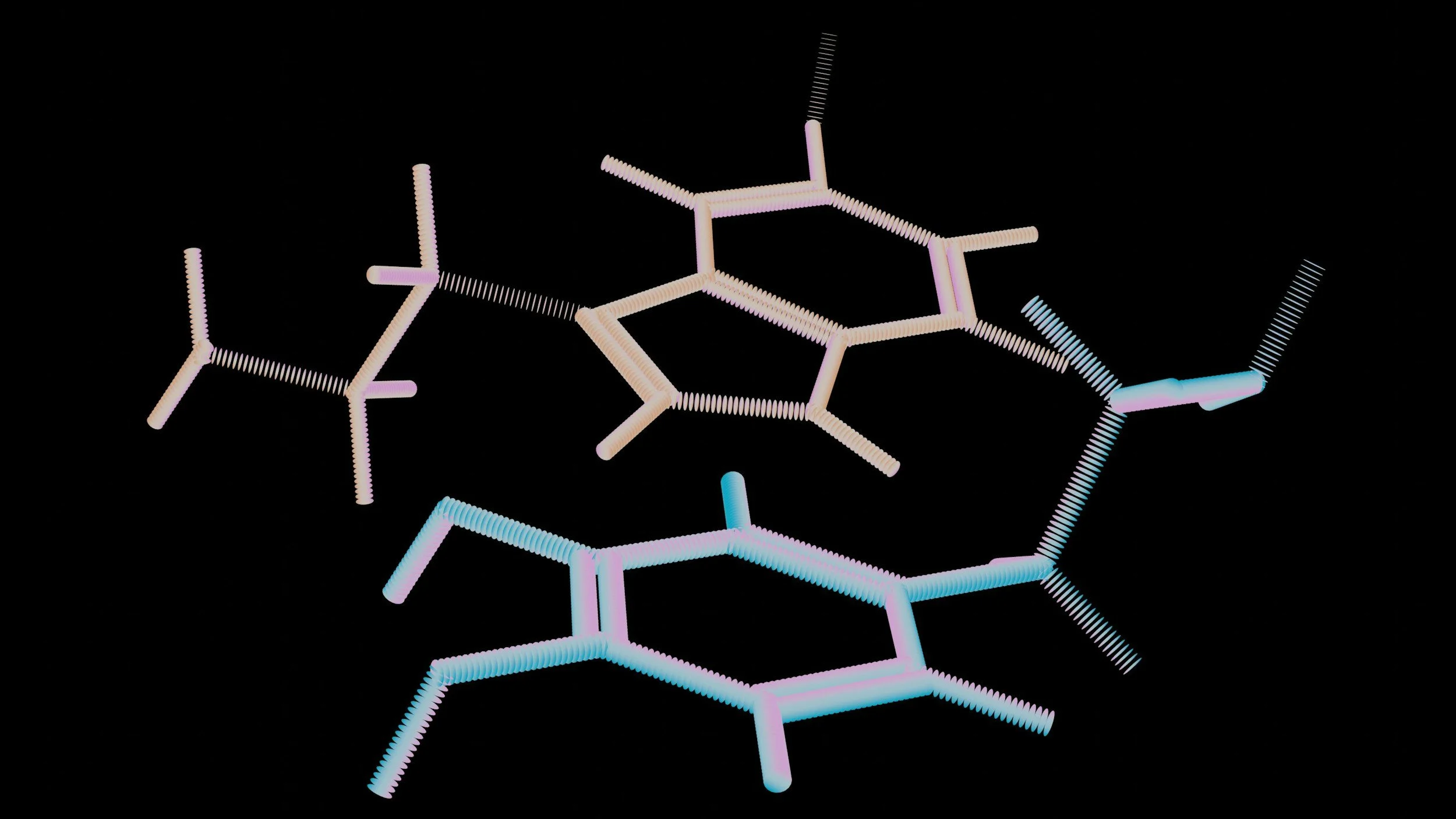
Addiction is not simply a matter of poor choices or weak willpower. It is a neurobiological disorder driven by powerful changes in two neurotransmitters: dopamine and glutamate. These chemicals—normally responsible for motivation, learning, and healthy reward—become distorted through repeated substance use. Over time, they create a self‑reinforcing loop that makes stopping feel biologically difficult, even when the person desperately wants to quit.
Understanding this “tug of war” between dopamine and glutamate is essential for anyone navigating addiction or supporting a loved one through recovery.
Dopamine: The Reward Hijacker
Dopamine is the neurotransmitter that teaches the brain what is important. Under normal circumstances, dopamine reinforces healthy behaviours such as eating, bonding, achieving goals, and experiencing pleasure.
Addictive substances, however, hijack this system. They produce dopamine surges far beyond anything found in nature. The brain interprets this as a signal of extreme importance—something essential for survival.
Over time, several changes occur:
Reward becomes distorted: The substance becomes prioritized above relationships, responsibilities, and self‑care.
Motivation narrows: The brain becomes conditioned to seek the drug, even when the person consciously wants to stop.
Dopamine instability emerges: During abstinence, dopamine levels crash, creating emotional volatility, anhedonia, and intense craving.
Dopamine creates the desire for the substance. But dopamine alone does not explain why addiction becomes automatic. That is where glutamate enters the picture.
Glutamate: The Learning and Memory Enforcer
Glutamate is the brain’s primary learning and memory neurotransmitter. It determines what we remember, what we crave, and what we automatically seek.
In addiction, glutamate circuits undergo profound remodeling:
Drug cues become deeply encoded: People, places, emotions, and even times of day become linked to substance use.
Triggers activate craving instantly: A smell, a street, a stressful moment—any cue can activate glutamate pathways that “light up” the craving circuitry.
Executive control weakens: Glutamate changes in the prefrontal cortex impair decision‑making, impulse control, and long‑term planning.
Glutamate creates the habit of addiction. It makes drug‑seeking automatic, even when dopamine is low or the person is trying to abstain.
The Tug of War: How Dopamine and Glutamate Trap the Brain
Addiction becomes insidious because dopamine and glutamate work together to reinforce the behaviour:
Dopamine says: “This is rewarding. Do it again.”
Glutamate says: “Here’s how to get it. Remember the cues. Seek it automatically.”
This creates a loop:
The substance produces dopamine.
Glutamate encodes the experience.
Cues trigger glutamate pathways.
Glutamate activates dopamine release—even without the drug.
Craving intensifies.
The person feels pulled in two directions: Their prefrontal cortex wants to stop, but their reward and habit circuitspush them forward.
This is why addiction feels like a battle between intention and compulsion.
How the Brain Can Be Restored to Normal Functioning
Recovery is absolutely possible. The brain can heal—but it requires time, structure, and targeted interventions that rebalance both dopamine and glutamate systems.
1. Restoring Glutamate Homeostasis
Glutamate dysregulation is one of the strongest drivers of relapse. Recovery requires stabilizing this system through:
Abstinence
Stress reduction
Consistent routines
Therapeutic interventions that strengthen prefrontal cortex functioning
These approaches help normalize glutamate signalling and reduce cue‑triggered craving.
2. Rebuilding Prefrontal Cortex Strength
The prefrontal cortex is the “CEO” of the brain—responsible for planning, impulse control, and decision‑making. Addiction weakens it; recovery strengthens it.
Effective strategies include:
Cognitive‑behavioural therapy
Mindfulness and grounding practices
Sleep normalization
Structured daily routines
Accountability systems
These interventions help restore executive functioning and reduce impulsive relapse behaviour.
3. Stabilizing Dopamine Through Abstinence
Dopamine levels gradually normalize with sustained abstinence. This process is slow but reliable. Over time, natural rewards begin to feel pleasurable again, motivation returns, and emotional stability improves.
4. Avoiding High‑Risk Cues
Because glutamate encodes drug‑related cues, avoiding triggers is essential—especially early in recovery. This reduces cue‑induced dopamine release and prevents sudden spikes in craving.
5. Community and Connection
Healthy relationships activate dopamine pathways in a stabilizing way. Support groups, therapy, and meaningful connection help counteract the isolation that fuels addiction.
6. Long‑Term Habit Replacement
Addiction rewires the habit circuitry. Recovery requires replacing those habits with new, healthy routines:
Exercise
Nutrition
Purposeful activities
Identity change (“I am a person in recovery”)
These behaviours help rewire the striatum and shift the brain from compulsive drug‑seeking to healthy automatic patterns.
The Bottom Line
Addiction is a neurobiological disorder driven by a powerful dopamine–glutamate feedback loop. Dopamine creates reinforcement; glutamate locks the behaviour into memory and habit. Together, they create the insidious tug of war that makes stopping feel difficult.
But with abstinence, structure, therapy, and support, the brain can heal. Dopamine stabilizes. Glutamate normalizes. Executive functioning strengthens. Healthy habits take root.
Recovery is not just possible—it is expected when the right supports are in place.