
Blog

Meditation, Breathwork, and the Wim Hof Method: Powerful Tools for Emotional Regulation and Addiction Recovery
Addiction — whether acute or chronic — is fundamentally a disorder of emotional dysreulation. People use substances or compulsive behaviours to escape discomfort, numb anxiety, override stress, or create artificial stimulation. When the nervous system is unstable, the mind becomes reactive, and cravings intensify.
Meditation and breathwork practices, including structured methods like the Wim Hof Method, offer one of the most effective ways to stabilise the nervous system, rebuild emotional control, and support long‑term sobriety. These practices directly influence the brain regions damaged or overstimulated by addiction.
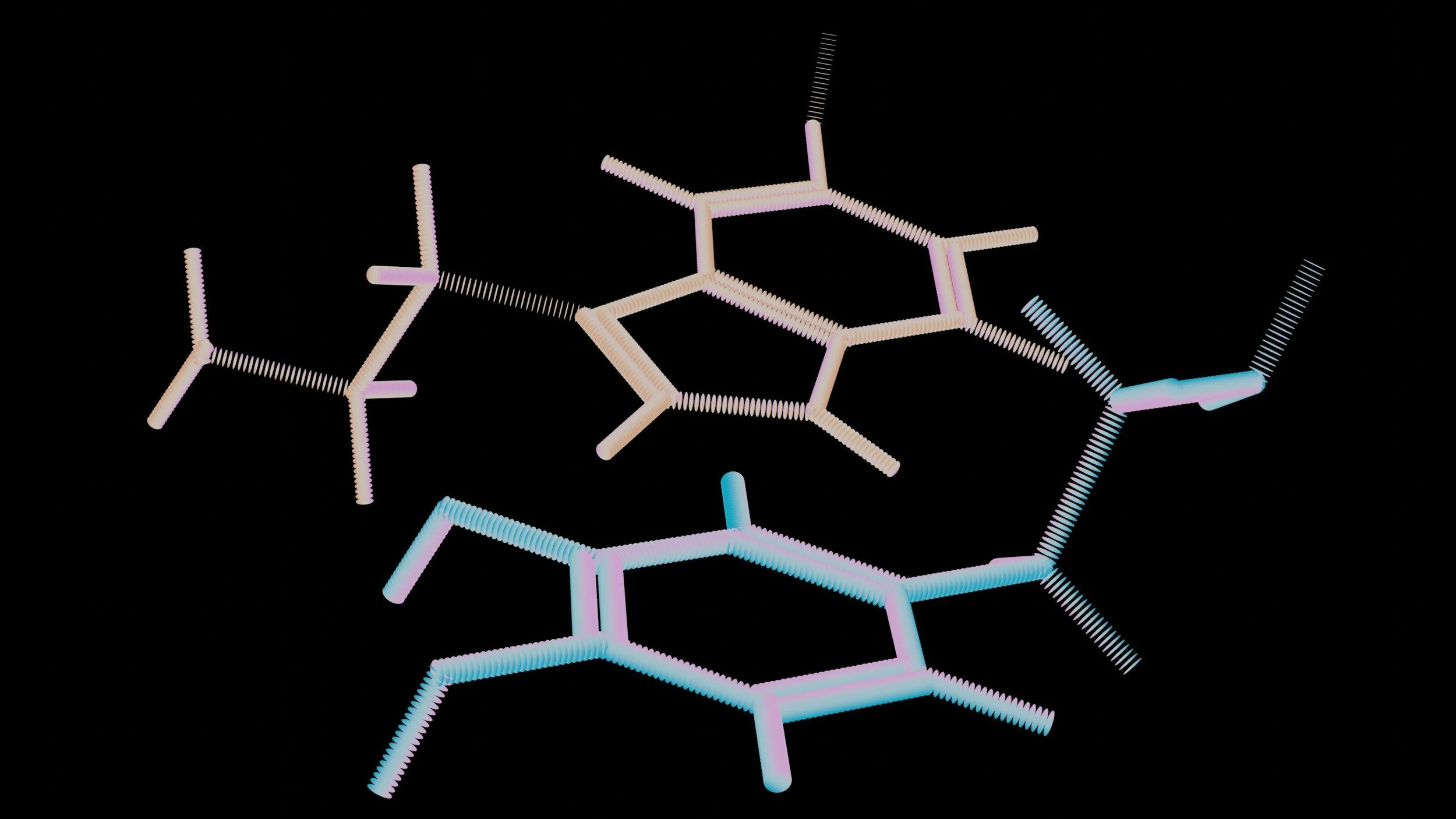
The Dopamine–Glutamate Tug of War: Why Addiction Becomes Insidious and How the Brain Can Heal
Addiction is not simply a matter of poor choices or weak willpower. It is a neurobiological disorder driven by powerful changes in two neurotransmitters: dopamine and glutamate. These chemicals—normally responsible for motivation, learning, and healthy reward—become distorted through repeated substance use. Over time, they create a self‑reinforcing loop that makes stopping feel biologically difficult, even when the person desperately wants to quit.
Understanding this “tug of war” between dopamine and glutamate is essential for anyone navigating addiction or supporting a loved one through recovery.