
Blog
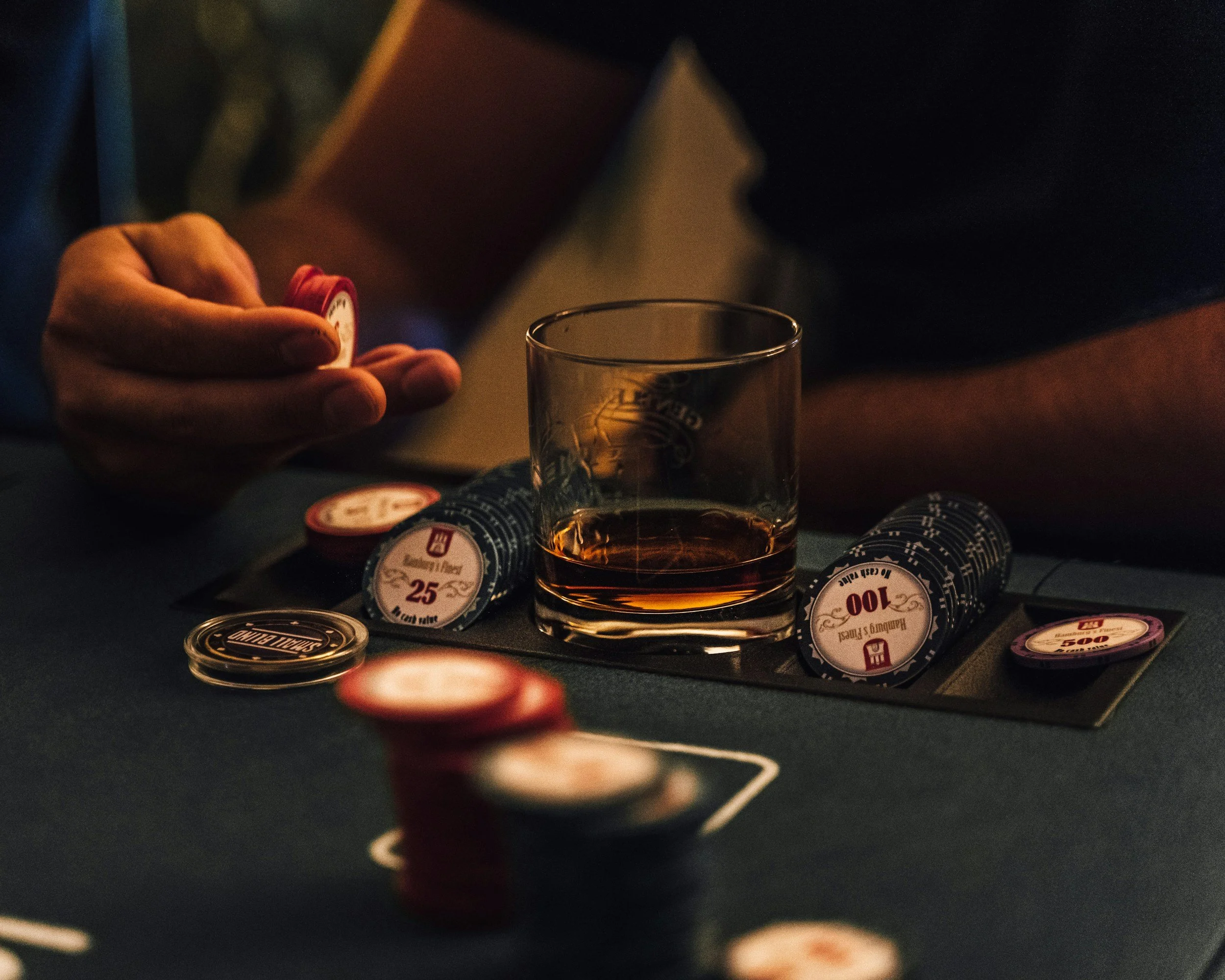
Compulsive Gambling, Substance Use, and the Collapse of Self‑Control: Why Complete Abstinence Is the Only Path Back to Homeostasis
Compulsive gambling is one of the most destructive behavioural addictions because it hijacks the brain’s reward circuitry with the same intensity as cocaine or alcohol. When gambling is paired with mood‑altering substances — either as a substitute or as an enhancer — the neurological damage accelerates. The person becomes trapped in a cycle of stimulation, escape, and compulsion that can dismantle their life with alarming speed.
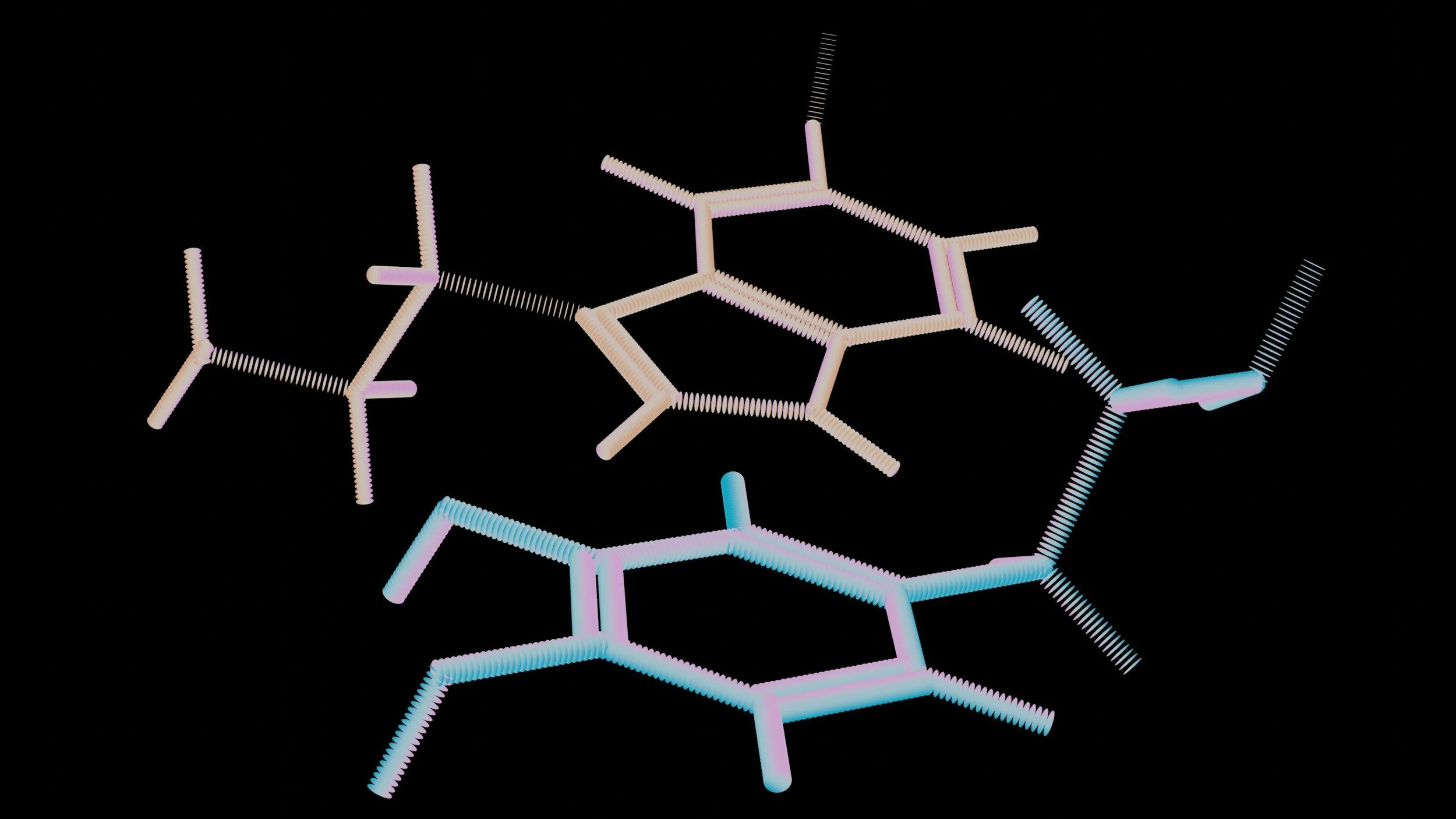
The Dopamine–Glutamate Tug of War: Why Addiction Becomes Insidious and How the Brain Can Heal
Addiction is not simply a matter of poor choices or weak willpower. It is a neurobiological disorder driven by powerful changes in two neurotransmitters: dopamine and glutamate. These chemicals—normally responsible for motivation, learning, and healthy reward—become distorted through repeated substance use. Over time, they create a self‑reinforcing loop that makes stopping feel biologically difficult, even when the person desperately wants to quit.
Understanding this “tug of war” between dopamine and glutamate is essential for anyone navigating addiction or supporting a loved one through recovery.