Gambling is often marketed as entertainment, excitement, or a harmless social activity. For many people, it remains just that. However, for others, gambling addiction (clinically recognized as Gambling Disorder) develops into a serious behavioural addiction that causes significant emotional, financial, relational, and psychological harm.
Unlike substance use disorders, gambling addiction leaves no outward physical signs like intoxication or physical withdrawal. As a result, this struggle often remains entirely hidden until substantial, deep-seated damage has already occurred.
What Is Gambling Disorder?
Gambling Disorder is characterized by persistent, recurring gambling behaviour that leads to severe distress or impairment in important areas of life. It shares many neurological characteristics with substance use disorders, including intense cravings, a loss of control, and tolerance.
The brain's dopamine reward system plays a massive role in this cycle. The sheer anticipation of a potential win activates reward pathways, creating an intense emotional high. Over time, the brain desensitizes, meaning individuals require greater risks or larger wagers to achieve that same emotional effect.
Common Modern Forms of Gambling
Modern gambling opportunities are more accessible than ever before. The expansion of digital platforms has fundamentally changed how people interact with betting.
Casino Gambling
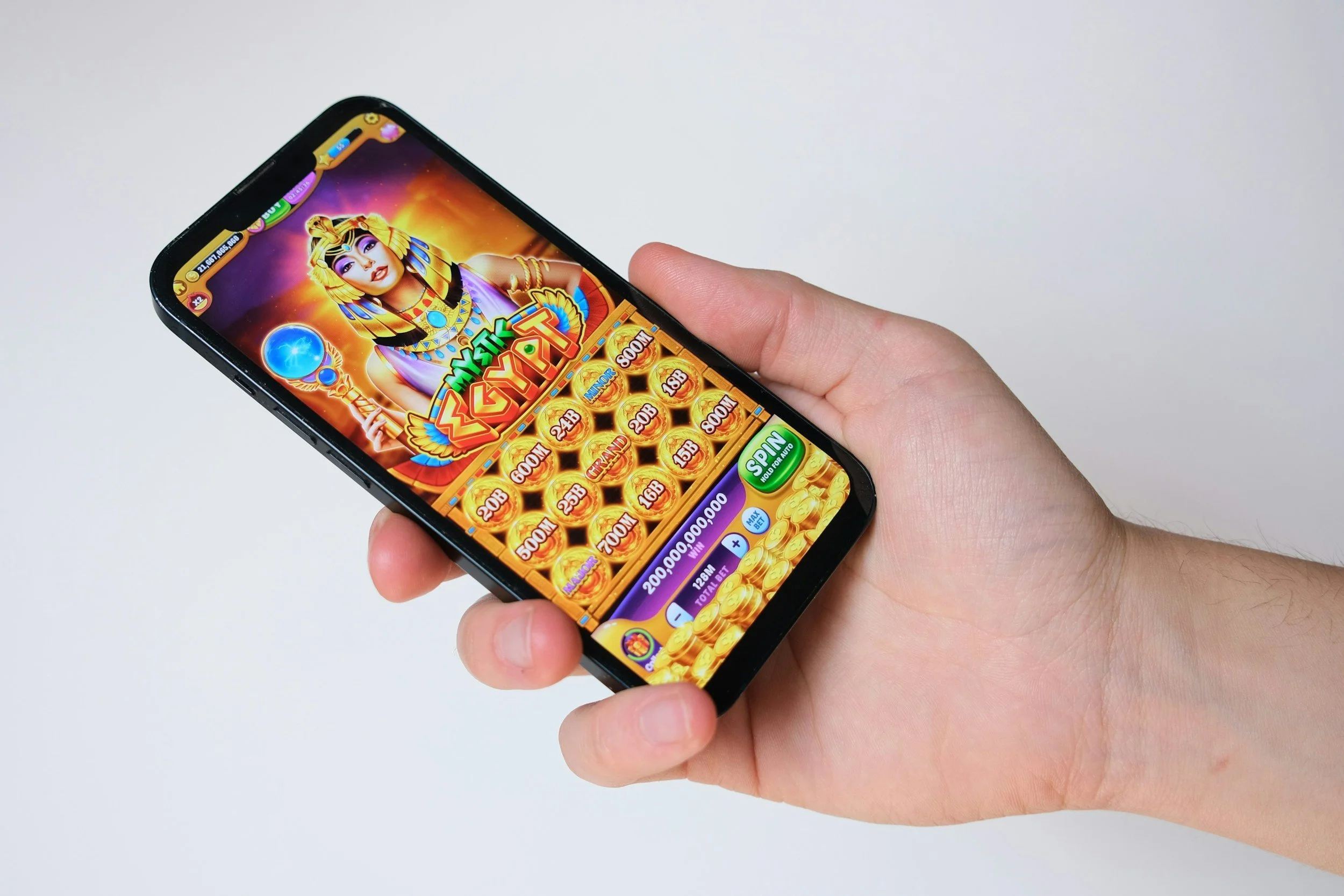
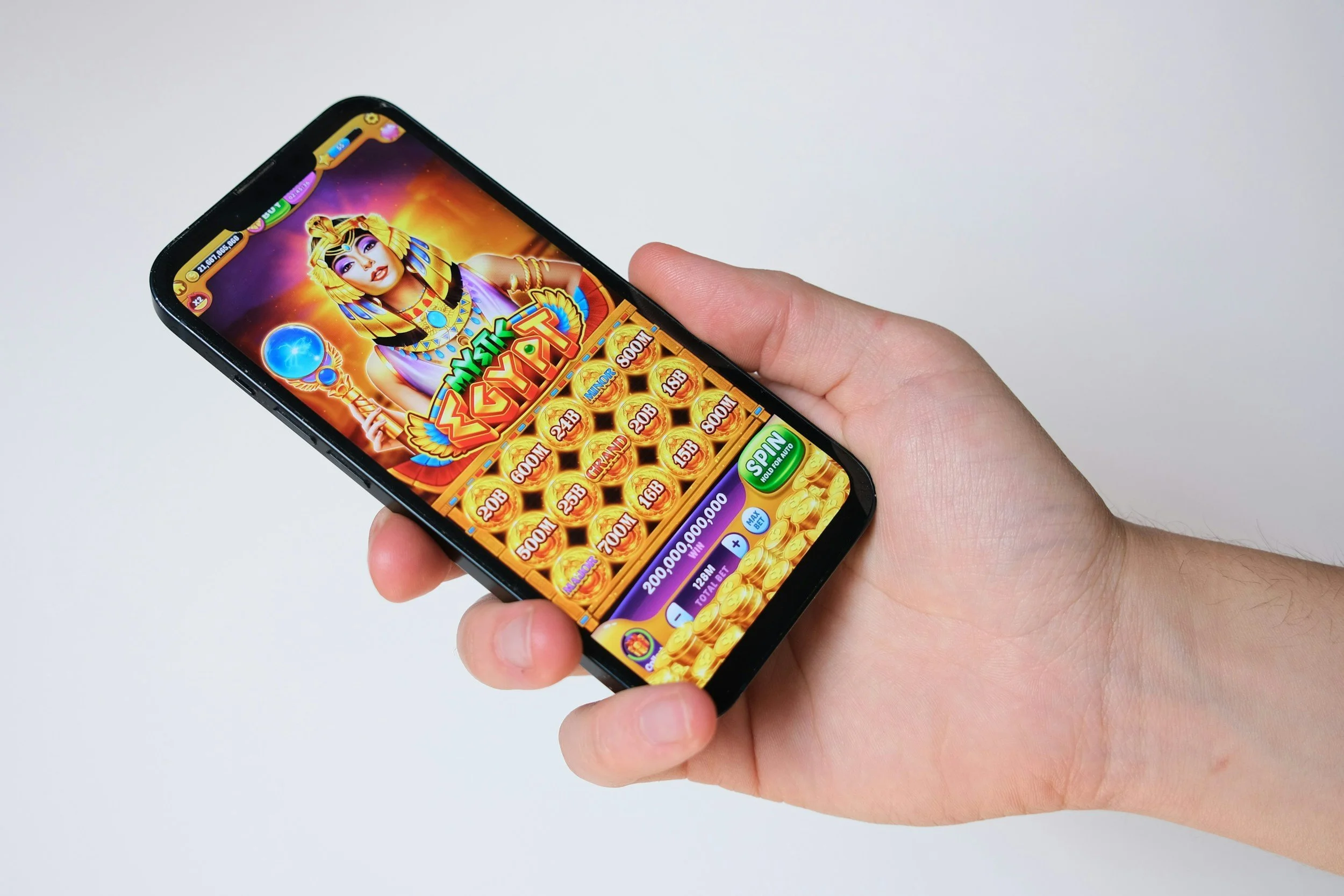
Slot Machines: Highly addictive due to rapid play cycles, variable rewards, and continuous wagering opportunities.
Table Games: Games like Blackjack, Roulette, Poker, Baccarat, and Craps can quickly transition from social play to compulsive habits.
Sports Betting
Widespread Exposure: Betting on professional sports, amateur sports, and fantasy leagues has exploded due to heavy media advertising.
In-Game Wagers: Micro-betting on individual player performances or live in-game outcomes keeps users constantly engaged.
Online Gambling & Speculative Trading
24/Hour Accessibility: Eliminates the natural friction of traveling to a casino, allowing for complete anonymity and instant digital deposits.
Speculative Investing: Day trading and highly volatile cryptocurrency trading mimic the exact same psychological, risk-seeking loops as traditional gambling.
Risk Factors for Gambling Addiction
No single factor causes gambling disorder. Instead, it typically develops from a combination of biological, psychological, and environmental influences:
Psychological Vulnerabilities: Co-occurring mental health conditions like depression, anxiety, ADHD, bipolar disorder, or chronic stress.
Personality Traits: High impulsivity, sensation-seeking behaviors, difficulty delaying gratification, and highly competitive tendencies.
Environmental Factors: Early exposure where gambling is normalized within family structures, financial stress, or social isolation.
Substance Use: Co-occurring alcohol or drug use, which actively impairs judgment and spikes impulsive decision-making.
Signs and Symptoms of Problem Gambling
Because individuals become highly skilled at concealing their behavior, recognizing the warning signs requires looking out for behavioral, emotional, and financial shifts.
Behavioral & Emotional Signs
Preoccupation with gambling and chasing losses.
Hiding or lying about gambling activities to loved ones.
Neglecting work, school, or family responsibilities.
Experiencing irritability, restlessness, or anxiety when attempting to cut back.
Severe mood swings tied to wins and losses.
Financial Signs
Unexplained debt or missing bill payments.
Using credit excessively or liquidating personal assets.
Borrowing money from family, friends, or unconventional loan sources.
Maintaining strict financial secrecy or controlling bank statements.
The Destructive Cycle of "Chasing Losses"
One of the definitive hallmarks of gambling addiction is chasing losses. After losing money, an individual experiences a cognitive distortion: the firm belief that a massive win is imminent or that continued play is the only way to recover their funds. This mindset creates an escalating spiral of larger wagers, deeper financial devastation, and worsening psychological distress.
The Broader Consequences
The impact of a gambling problem ripples far beyond a bank account:
Relationship Breakdown: Severe damage to trust, marital conflict, emotional withdrawal, and frequent separation or divorce.
Occupational Strain: Reduced productivity at work, frequent absenteeism, or job loss.
Legal Complications: In severe situations, individuals driven by financial desperation may resort to fraud, theft, or embezzlement.
Mental Health Crises: Strong links to major depressive disorder, severe anxiety, and a high risk of suicidal ideation.
Effective Pathways to Recovery
Recovery from Gambling Disorder is entirely possible with the right clinical framework and accountability systems.
Cognitive Behavioural Therapy (CBT)
CBT stands as one of the most effective tools for treating gambling addiction. It actively focuses on identifying specific gambling triggers, challenging cognitive distortions regarding "luck" and odds, and developing healthy stress-coping strategies.
Motivational Interviewing (MI)
Because many individuals feel deep ambivalence about quitting, Motivational Interviewing helps people explore their personal reasons for choosing recovery, resolves internal conflict, and strengthens their long-term commitment to change.
Relapse Prevention & Peer Support
Relapse Prevention Therapy: Teaches individuals how to manage sudden urges, block access to betting platforms, and establish rigid financial accountability systems.
Group Counselling: Offers essential peer support, reducing the intense isolation, guilt, and shame that so often accompanies this disorder.
Final Thoughts
Admitting to a gambling problem is incredibly difficult, but you do not have to carry this burden alone. As addiction specialists, we provide confidential, evidence-based support to help you break the cycle, repair your relationships, and reclaim financial control. Reach out today to take your first step toward lasting recovery.