
Cannabis, Pornography, and the Neurochemical Collision Devastating Young People
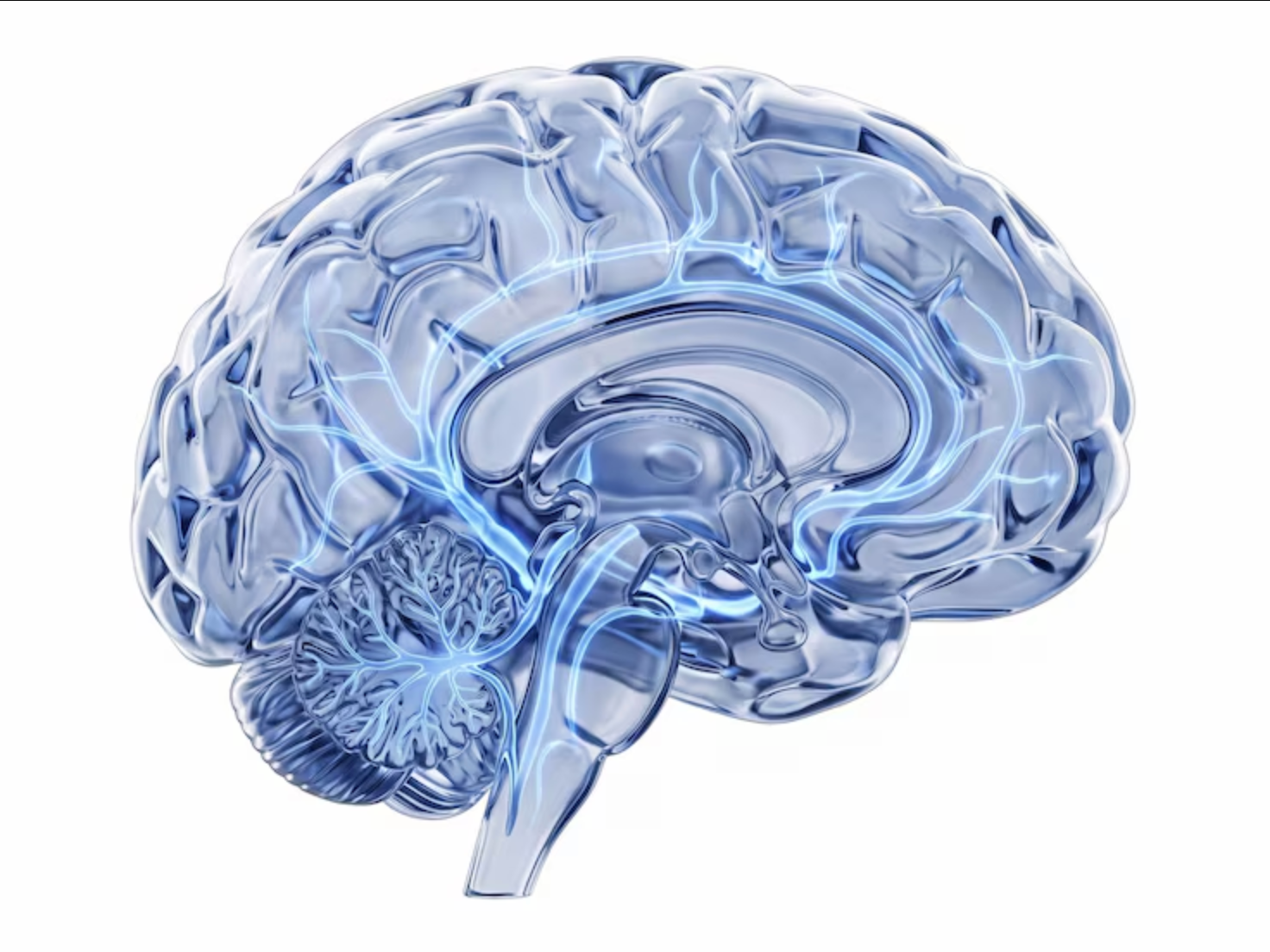
Cannabis is often marketed as harmless. Pornography is often dismissed as “normal.” But when young people combine high‑potency cannabis with compulsive pornography use, the result is a neurochemical and psychological collision that can derail healthy development, distort sexual functioning, and create long‑term dependency patterns that are extremely difficult to break.
This blog outlines why this combination is uniquely dangerous, how it affects the developing brain, and what evidence‑based strategies can restore balance and homeostasis.
The Modern Cannabis Landscape: Potency Has Changed
Today’s cannabis is not the cannabis of the 1990s. THC concentrations have increased from 3–5% to 20–30% in dried flower and 60–90% in concentrates. For adolescents and young adults — whose brains are still developing until roughly age 25 — this level of potency dramatically alters:
dopamine regulation
reward sensitivity
emotional processing
impulse control
sexual arousal pathways
High‑THC cannabis amplifies sensory experiences, lowers inhibitions, and increases novelty‑seeking — all of which directly intersect with pornography consumption.
Why Cannabis and Pornography Are a Dangerous Combination
1. Dopamine Flooding and Reward Hijacking
Cannabis increases dopamine release. Pornography increases dopamine release. Together, they create a superstimulusthat overwhelms the brain’s reward system.
This leads to:
rapid tolerance
escalating pornography use
difficulty experiencing pleasure from normal activities
compulsive patterns that feel “out of control”
Young people often describe needing cannabis to “get in the mood” for pornography — a sign that the brain has fused the two behaviours into a single reinforced loop.
2. Impaired Judgment and Boundary Erosion
Cannabis reduces inhibition and increases risk‑taking. Under its influence, adolescents may:
view more extreme content
stay online for hours
cross personal or moral boundaries
experience confusion or distress afterward
This is not a reflection of their character — it is the predictable outcome of intoxication paired with high‑intensity digital stimulation.
3. Sexual Conditioning During a Critical Development Window
The teenage brain is highly plastic. When sexual arousal repeatedly occurs under the influence of cannabis and pornography, the brain learns:
“This is what sex feels like.”
This can lead to:
difficulty with real‑life intimacy
erectile or arousal challenges
dependence on cannabis to become sexually stimulated
distorted expectations of sexual relationships
4. Emotional Avoidance and Escalation
Many young people use cannabis to numb stress, anxiety, or loneliness. Pornography becomes the companion to that escape.
Over time:
cannabis becomes the emotional regulator
pornography becomes the coping mechanism
both become intertwined with shame, secrecy, and compulsive behaviour
The Consequences We Are Seeing Clinically
Psychological
increased anxiety
depressive symptoms
emotional flatness
social withdrawal
shame and secrecy
Sexual
reduced libido without cannabis
difficulty with real‑life intimacy
performance issues
escalating or unwanted sexual interests
Neurological
impaired executive functioning
reduced motivation
disrupted sleep cycles
dopamine desensitization
Behavioural
compulsive use patterns
difficulty stopping despite consequences
reliance on cannabis to “enhance” pornography
binge cycles lasting hours or days
For many young people, this combination becomes a primary addiction pathway, even if they do not use other substances.
Restoring Homeostasis: Evidence‑Based Solutions
1. Professional Therapy
Therapy helps young people:
understand the neurochemical drivers of their behaviour
process shame safely
rebuild healthy sexual boundaries
develop coping strategies that do not rely on cannabis or pornography
address underlying anxiety, trauma, or loneliness
Modalities that are particularly effective include:
CBT for compulsive behaviour
DBT for emotional regulation
Motivational Interviewing for readiness to change
Trauma‑informed therapy when deeper wounds are present
2. Abstinence From Both Behaviours
For many adolescents, harm reduction is not enough. The combination is too reinforcing. Abstinence allows the brain to:
reset dopamine receptors
restore natural reward sensitivity
rebuild impulse control
reconnect sexual arousal to real‑life intimacy
3. Structured Digital Boundaries
blocking software
removing access to triggering environments
scheduled device‑free periods
accountability systems
These reduce impulsive access and help break the cycle.
4. Lifestyle Interventions That Support Neurochemical Recovery
exercise
sleep regulation
cold exposure
mindfulness
nutrition
social connection
These activities naturally increase dopamine and serotonin, helping the brain recalibrate.
5. Family Involvement When Appropriate
Parents often need guidance on:
setting boundaries
understanding addiction patterns
supporting without shaming
creating accountability
reinforcing healthy routines
A Final Message to Parents and Young People
Cannabis and pornography are not harmless when combined — especially during adolescence. They reshape the reward system, distort sexual development, and create dependency patterns that can follow young people into adulthood.
But recovery is absolutely possible.
With therapy, abstinence, structure, and support, the brain can return to balance. Dopamine stabilizes. Motivation returns. Sexual functioning normalizes. Emotional resilience grows. Homeostasis is restored.