
Chronic Cannabis and Pornography Use: The Brain, the Trap, and the Path to Recovery
Addiction isn’t always about hard drugs or alcohol. Two of the most underestimated yet deeply impactful struggles I see in my practice are chronic cannabis use and compulsive pornography consumption. On their own, each can alter brain chemistry and derail lives. Together, they create a cycle of sedation and stimulation that hijacks the brain’s reward system, leaving individuals trapped in patterns that feel impossible to break.
Cannabis Today: Potency, Risks, and the Path to Recovery
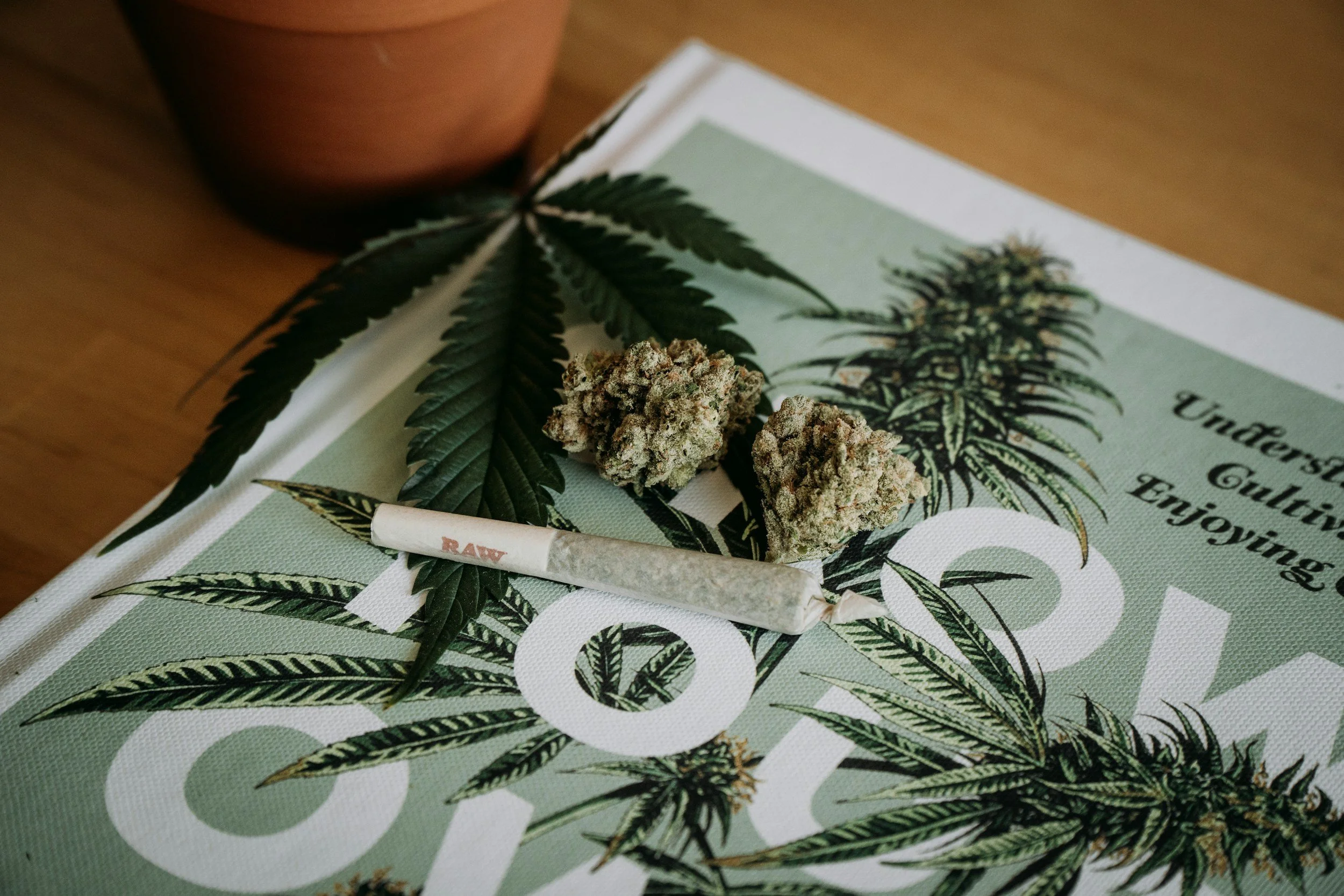
Cannabis has long been viewed as a “soft drug,” often minimized compared to substances like alcohol or opioids. But the cannabis available today is not the same as what was circulating decades ago. As an addiction specialist, I see more and more people struggling with cannabis use disorder, and it’s important to understand why.

Crystal Meth Addiction: Why Turning to Alcohol Isn’t the Answer
Crystal methamphetamine is one of the most destructive substances I encounter in my practice. Its effects on the brain, body, and relationships are profound, and recovery requires courage, structure, and support. Yet one of the common pitfalls I see is when someone tries to replace meth with alcohol, believing it to be a “safer” alternative. The truth is: switching substances is not recovery—it’s substitution. And substitution often leads to new problems down the road.

A Family Guide to Responding to Relapse
Relapse shakes families to their core, but it can also be a turning point. By setting boundaries, refusing to enable, and insisting on intervention, you protect yourself while giving your loved one the best chance at healing. Remember: you didn’t cause it, you can’t cure it, but you can choose how you respond.

When Relapse Hits Home: A Guide for Loved Ones
When someone you love relapses, it can feel like the ground has been pulled out from under you. You may experience:
Shock and disappointment: The hope you carried for their recovery feels shattered.
Anger and frustration: You may wonder why they “threw it all away.”
Fear and anxiety: Worrying about their safety, health, and future.
Grief: Mourning the version of them you thought was returning.
These emotions are normal. Relapse doesn’t just affect the person using—it ripples through the entire family system.

Alcoholism & Drug Addiction: Why Treatment Is Essential
Addiction is often misunderstood. Many people see it as a matter of willpower, a bad habit, or a moral failing. But as an addiction specialist, I know the truth: alcoholism and drug addiction are chronic medical conditions that demand treatment. Left unaddressed, they erode health, relationships, and purpose. Managed with care, they can become the foundation for profound transformation.

Internet Gambling: The Hidden Trap of the Digital Age
The rise of internet gambling has transformed the way people engage with games of chance. What once required a trip to a casino or betting shop can now be accessed instantly from a smartphone or laptop. While this convenience may seem harmless, it has created a dangerous environment where addiction can thrive—and where vulnerable individuals, including minors, are at risk.

Dopamine on Overdrive: A Wake-Up Call for Parents Navigating Teen Habits
The Dopamine Dilemma: Why It Matters
As an addiction specialist, I’ve seen firsthand how seemingly harmless habits—like fast food binges and endless scrolling—can evolve into patterns that hijack the brain’s reward system. At the heart of it all is dopamine, the neurotransmitter responsible for pleasure, motivation, and reinforcement. When teens repeatedly engage in high-stimulation activities, their brains adapt by demanding more to feel the same level of satisfaction. This is the slippery slope toward behavioral addiction.

Loving Someone with Cocaine and Alcohol Addiction: A Message to the Spouse
If you’re married to someone battling cocaine and alcohol addiction, you already know the chaos it brings. The lies. The broken promises. The emotional rollercoaster. You’ve likely asked yourself, “How much more can I take?” And that’s not weakness—it’s wisdom.
Addiction is a disease, but it’s also a tornado. It doesn’t just destroy the person using—it pulls in everyone around them. As an addiction specialist, I’ve worked with countless spouses who are torn between love and survival. This blog is for you.

Harm Reduction: A Lifeline, Not a Loophole
Harm reduction is a compassionate, evidence-based approach to addiction treatment. It prioritizes safety, dignity, and incremental healing—especially for those struggling with opioid use disorder (OUD). Two of the most effective tools in this model are methadone and Suboxone (buprenorphine/naloxone), both classified as Medication-Assisted Treatments (MATs).

Dopamine Overload and Teen Behavioral Addictions: What Parents Need to Know—and Do
We often think of addiction in terms of substances—alcohol, drugs, nicotine. But in today’s digital world, many teens are falling into a different kind of trap: behavioral addictions. These include compulsive use of social media, video games, online shopping, pornography, and even exercise or risk-taking. At the root of these behaviors is a powerful brain chemical: dopamine.

When Porn and Marijuana Addiction Go Hand in Hand
In the world of addiction recovery, we often talk about substances and behaviors as separate struggles. But in reality, they frequently intertwine—feeding off each other, reinforcing the same cycles of escape, and deepening the same emotional wounds. Two of the most commonly paired addictions I see in my practice are pornography and marijuana. On their own, each can be destructive. Together, they can quietly overtake a person’s life.

Why Awareness Is the Key to Relapse Prevention
As an addiction specialist, I often tell my clients: recovery isn’t just about quitting a substance—it’s about understanding your brain. Addiction hijacks the mind in ways that make relapse not just possible, but likely—unless we learn to recognize and respond to the internal tug-of-war between our emotional and logical selves.

The Slippery Slope of Switching Substances: Trading One Addiction for Another
Recovery isn’t just about quitting a substance—it’s about changing a lifestyle, rewiring the brain, and healing the spirit. But one of the most common traps I see in early recovery is the belief that switching substances is safer than stopping altogether. For example, someone who’s quit marijuana and cocaine might think, “I’ll just drink socially now—it’s legal, it’s normal, it’s not my problem.”

Chronic Marijuana Use and Behavioral Addictions: A Hidden Link
As an addiction specialist, I’ve seen firsthand how substance use and behavioral addictions often intertwine in complex and surprising ways. One of the most overlooked relationships is the correlation between chronic marijuana use and behavioral addictions such as pornography and video gaming. While these behaviors may seem unrelated on the surface, they often share underlying psychological mechanisms—and when combined, they can reinforce each other in ways that deepen dependency and impair functioning.

20 Things to Watch Out for at 30 Days Sober
Thirty days sober is a powerful milestone. It’s proof that change is possible, that healing has begun, and that the fog is lifting. But it’s also a vulnerable time. The brain is still recalibrating, emotions are raw, and the temptation to “test the waters” can creep in. As an addiction specialist, I’ve seen this phase make or break recovery. Here are 20 things every newly sober person should watch out for—and how to stay grounded in your new life.

Loving Someone with Addiction: The Courage to Set Boundaries and Follow Through
Living with a partner who suffers from addiction is one of the most emotionally complex experiences a person can face. You love them. You’ve built a life together. You’ve seen their potential, their tenderness, their dreams. But addiction doesn’t care about love—it hijacks the brain, distorts behavior, and erodes trust.
As an addiction specialist, I’ve worked with countless spouses and partners who feel torn between compassion and survival. They ask: “How do I help without losing myself?” “When do I draw the line?” “What do I do when promises are broken again and again?”
This blog is for you.

The Sinclair Method: A Science-Based Path to Changing Your Relationship with Alcohol
For decades, the dominant narrative around alcohol recovery has centered on abstinence. But what if there were a way to reduce drinking without requiring total sobriety from day one? What if neuroscience could help retrain the brain’s reward system to weaken the grip of alcohol over time?
Enter: The Sinclair Method (TSM)—a medically grounded, evidence-based approach that’s changing how we think about alcohol use disorder.

The First 30 Days: Why Detox Is the Gateway to Healing
In the world of addiction recovery, few steps are as critical—or as misunderstood—as detox. It’s often seen as a hurdle to get past, a painful necessity before “real” treatment begins. But as an addiction specialist, I see detox differently. It’s not just a medical process—it’s a sacred reset. It’s the moment when the mind, body, and spirit begin to reclaim their original rhythm after being hijacked by substances.
The first 30 days of detox are intense, yes—but they’re also profoundly transformative.

The Power of Humility in Early Recovery: Why Less Is More
Recovery is not a sprint—it’s a slow, deliberate walk back to yourself. In the early stages, it’s tempting to believe that now that the substance is gone, life should resume at full speed. But here’s the truth: early recovery is sacred ground. It’s where the foundation is laid, and humility is the cornerstone.