
Blog

Slip or Relapse: A Loved One’s Guide to Navigating the Storm
When someone you love is battling addiction, every day of sobriety feels like a victory. But what happens when that victory is interrupted—by a slip, or worse, a full-blown relapse? The emotional fallout can be devastating: fear, anger, confusion, and heartbreak. As an addiction specialist, I’ve seen families struggle with these moments, unsure how to respond or what it means for their loved one’s recovery. Let’s unpack the difference between a slip and a relapse, and explore how families can respond with compassion, boundaries, and hope.

Harm Reduction in Alcohol Addiction: A Clinical Look at Naltrexone and Antabuse
Alcohol use disorder (AUD) remains one of the most pervasive and challenging conditions in addiction medicine. While abstinence-based models have long dominated treatment, harm reduction strategies—especially pharmacological interventions—are increasingly recognized for their ability to reduce cravings, prevent relapse, and support long-term recovery. Two FDA-approved medications stand out in this space: Naltrexone and Antabuse (Disulfiram).

Drawn to the Flame: When You're Attracted to People Struggling with Addiction
It’s a phenomenon more common than most realize: individuals who find themselves repeatedly drawn to partners battling alcohol or substance addiction. Not just once, but as a recurring pattern. As an addiction specialist, I can say—this isn’t about “bad luck” or chance. There's often a deeply rooted psychological landscape behind the attraction. And most importantly, healing is possible.
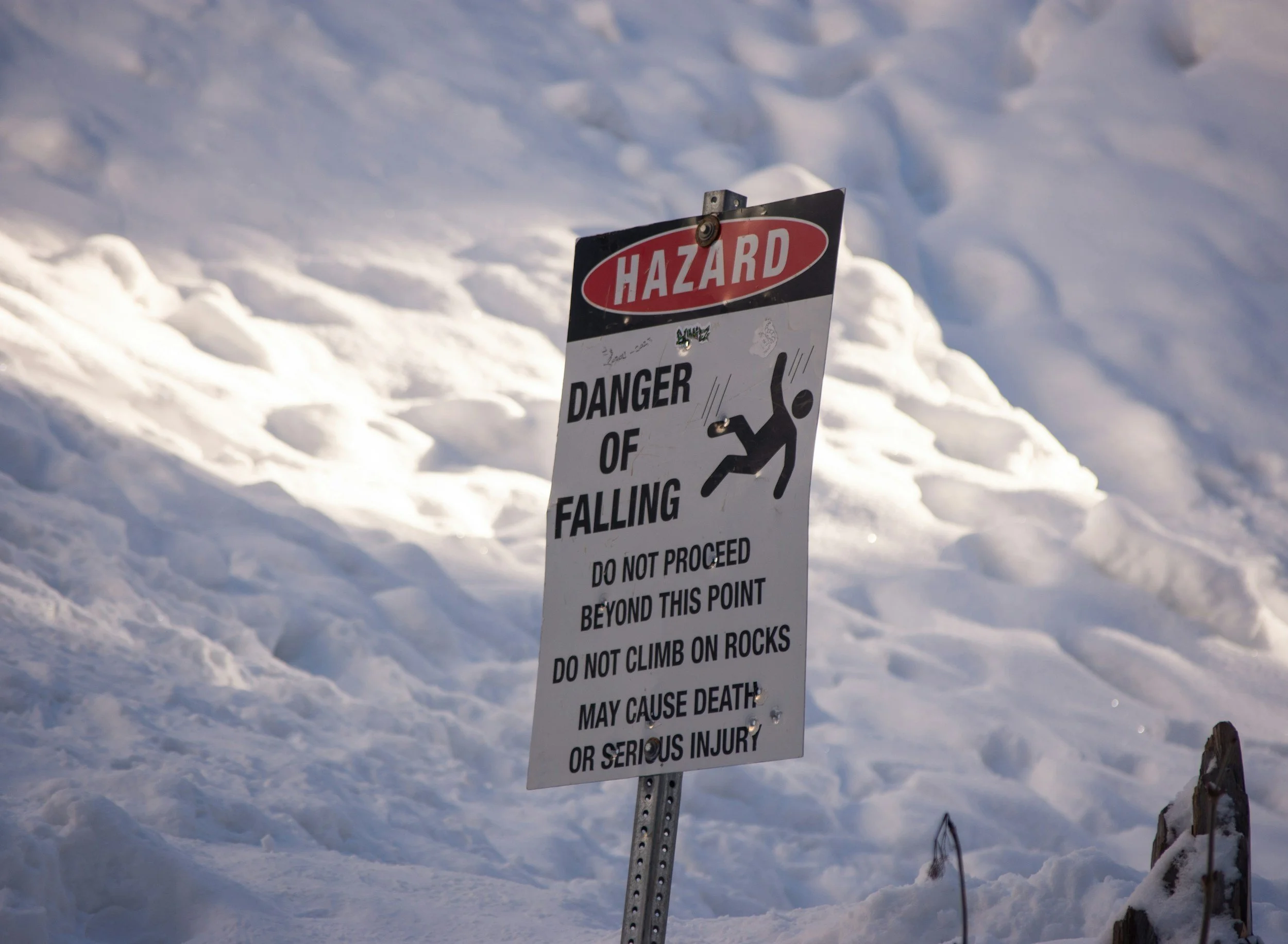
Slip vs. Relapse: Why the Difference Matters in Recovery
Recovery from addiction isn’t a perfect linear path—it’s a winding road with highs, lows, progress, and occasional detours. Two words often used in this journey are “slip” and “relapse”—but understanding their differences can be the key to healing instead of spiraling.
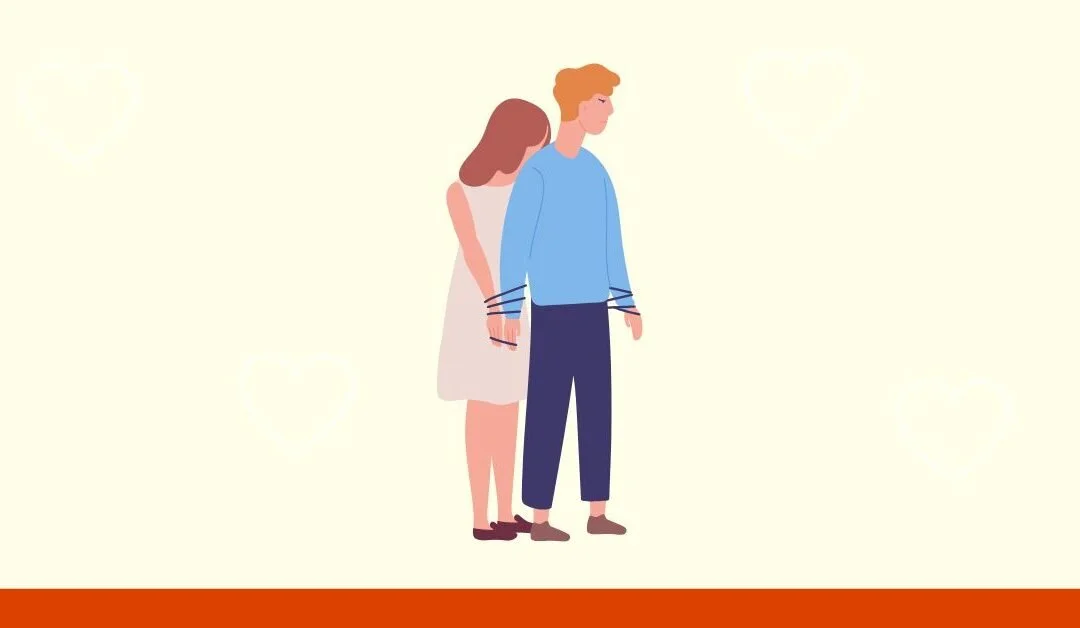
When Love Hurts: Breaking the Chains of Co-Dependency in Addiction
Addiction is not simply a matter of poor choices or moral failing. It is a progressive, life-threatening disease that hijacks brain chemistry, distorts reality, and robs people of their willpower, relationships, and often—tragically—their lives. When someone we love is drowning in substance or behavioural addiction, our first instinct is to throw them a lifeline made of compassion, protection, and unconditional support. But sometimes, that very lifeline can become a chain.
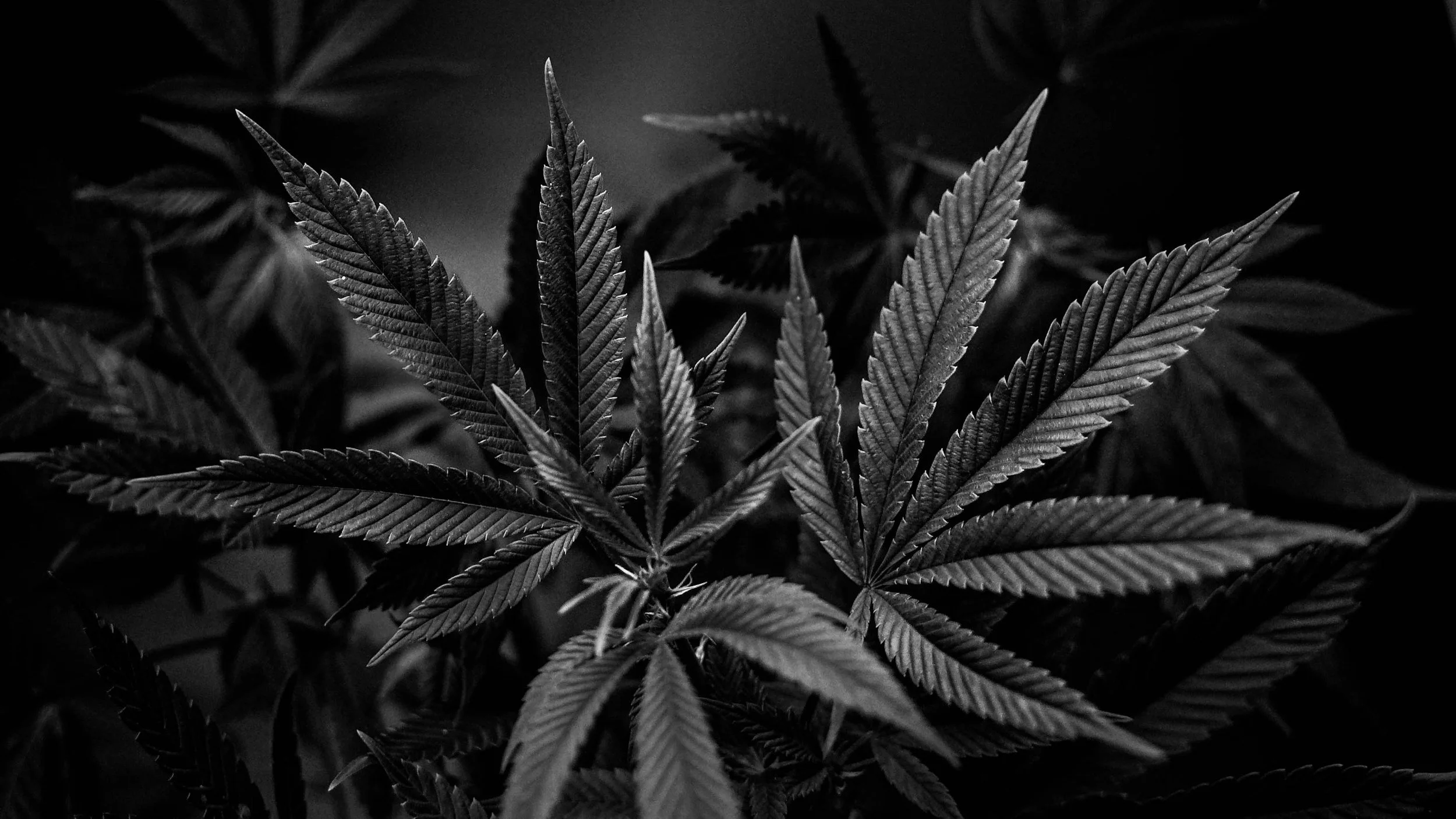
The Marijuana Misconception: Yes, It Can Be Addictive
When people think of addiction, they often picture alcohol, opioids, or stimulants. Marijuana rarely tops that list—and that’s exactly the problem.
For years, cultural narratives have painted cannabis as “safe,” “natural,” or “non-habit forming.” But as someone who’s worked closely with individuals whose lives were upended by marijuana dependence, I can confidently say: this belief needs a serious reality check.
Why Abstinence Is the Only Cure for Chronic Addiction—And Why Addicts Struggle to See It
Addiction doesn’t whisper—it deceives. It clouds judgment, numbs emotions, and convinces the afflicted that they’re in control when control is long gone. For those suffering from chronic addiction—whether to substances or behaviours—abstinence isn’t just a lifestyle choice. It’s a life-saving imperative.

When a 30–60 Day Treatment Center Is the Right Decision: A Specialist’s Perspective
Addiction doesn’t just impact the person caught in its grasp—it ripples through families, friendships, and communities. As an addiction specialist, I’ve seen firsthand how difficult it can be for loved ones to decide when a more intensive treatment option, like a 30–60 day residential program, is not just helpful, but necessary.

The Road to Long-Term Sobriety: A Holistic Commitment to Healing
Achieving long-term sobriety from alcohol or substance use is one of the most profound and demanding commitments a person can make. As an addiction specialist, I’ve seen how recovery is far more than abstinence—it’s a transformation that requires ongoing, layered work across the biological, psychological, social, and spiritual dimensions of life. Let’s explore each pillar and the deep dedication it takes to rebuild a life of clarity, purpose, and connection.
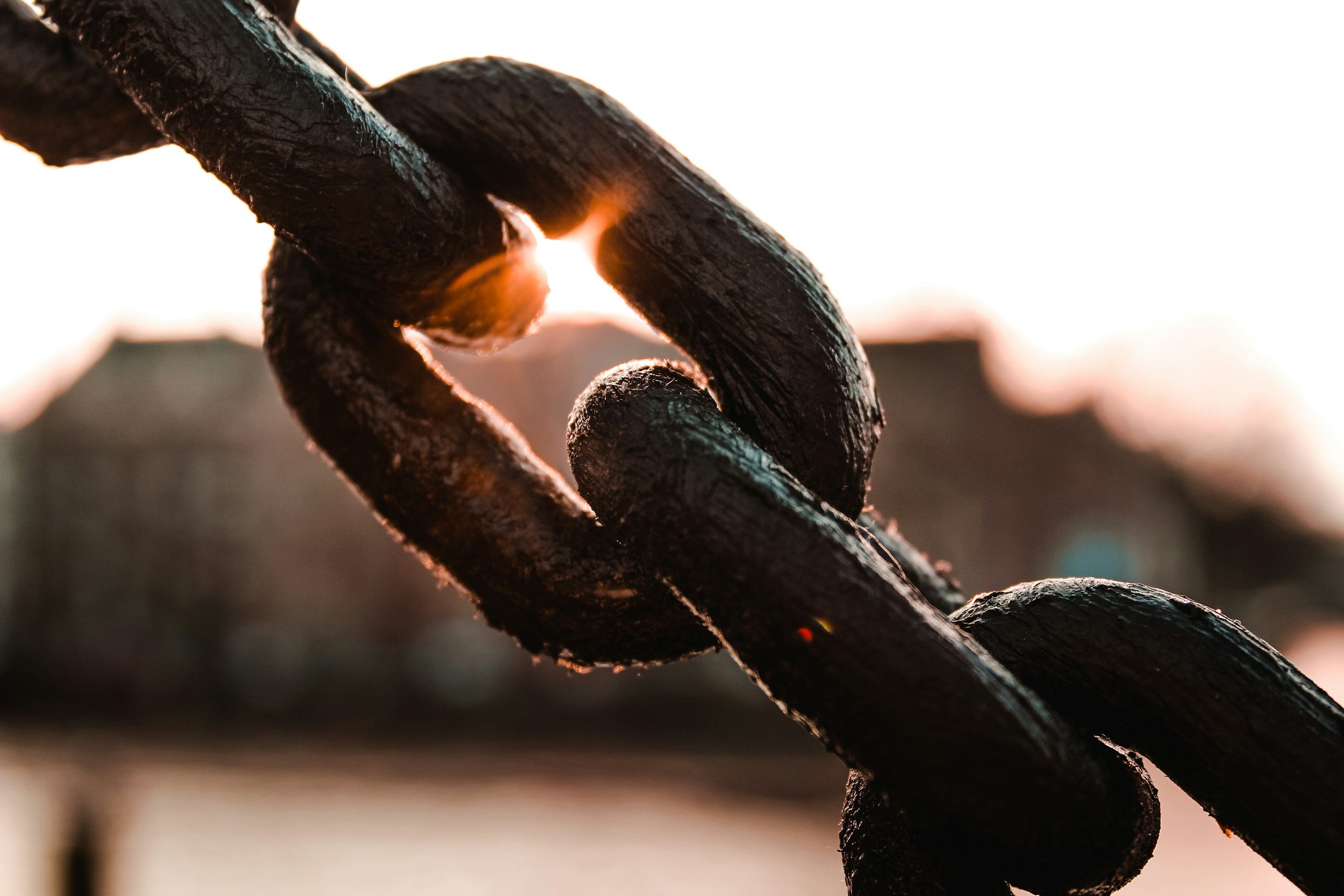
When Love Hurts: Breaking the Chains of Co-Dependency in Addiction
Addiction is not simply a matter of poor choices or moral failing. It is a progressive, life-threatening disease that hijacks brain chemistry, distorts reality, and robs people of their willpower, relationships, and often—tragically—their lives. When someone we love is drowning in substance or behavioural addiction, our first instinct is to throw them a lifeline made of compassion, protection, and unconditional support. But sometimes, that very lifeline can become a chain.

Beyond Abstinence: A Holistic Path to Healing from Addiction
Abstinence from alcohol, drugs, or destructive behaviors is a powerful and courageous step—but it’s not the final destination. Addiction is not just a physical habit that disappears with detox and 30 days of sobriety. It is a bio-psycho-social-spiritual illness that requires ongoing care, reflection, and reinvention. As an addiction specialist, I’ve seen countless individuals stop using substances only to find themselves overwhelmed by unresolved emotions, unstable relationships, or a lack of purpose.

Cocaine Addiction: The Breakdown of Mind, Body, and Spirit—and the Path to Healing
Cocaine is often glamorized for its quick rush of energy and euphoria, but behind its seductive facade lies an addiction that devastates lives—mentally, physically, and spiritually. As an addiction specialist, I’ve seen how this powerful stimulant not only rewires the brain but also dismantles a person’s sense of purpose, connection, and overall health. Understanding its impact is the first step toward reclaiming your life.

Two Weeks Sober: Finding Strength in Passion and Purpose
First off, let’s pause and acknowledge something important: two weeks of sobriety is a huge milestone. It might not always feel that way, but every day you choose to stay sober is a win against a powerful force that once controlled your life. The early days of recovery can be disorienting—your old routines are disrupted, and your brain is still healing. But that also means you have a chance to rediscover what moves you—and that’s where your passions come in.

Newly Sober on Canada Day: Celebrating Recovery Without Compromise
Canada Day—filled with fireworks, barbecues, music, and patriotic pride—can also be packed with emotional landmines if you're in early sobriety. For someone newly on the recovery path, this national holiday might stir up a strange mix of excitement and anxiety. While it’s a celebration for many, it’s also a day where alcohol and other substances are often center stage.

30 Days of Abstinence: A Reset for Your Brain and Body
Taking a 30-day break from a substance or behavior is more than just an exercise in self-control—it’s a vital opportunity for dopamine restoration, mental clarity, and physical renewal. Whether it’s alcohol, nicotine, social media, or even compulsive behaviors like gambling, committing to a month of abstinence can create powerful shifts that set the stage for lasting recovery.
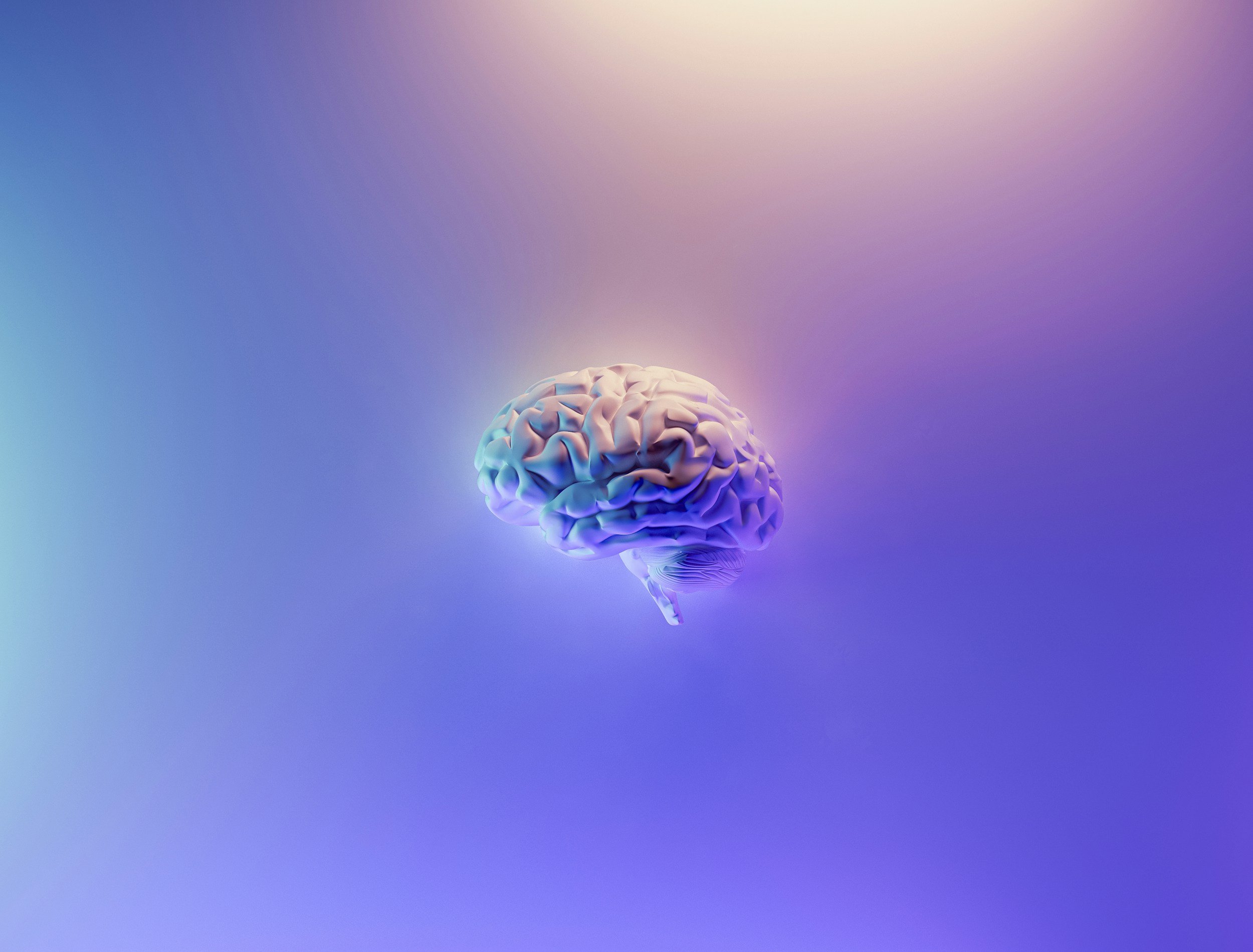
The Damaged Prefrontal Cortex: Understanding Its Role in Addiction, Compulsions, and Cravings
Addiction is more than just a pattern of destructive behavior—it’s deeply rooted in the brain’s structure and function. One of the most critical areas affected by substance use and compulsive behaviors is the prefrontal cortex, the part of the brain responsible for decision-making, impulse control, and rational thinking. When this region becomes impaired, individuals struggle to regulate cravings, resist compulsive urges, and make long-term, healthy choices. As an addiction specialist, I want to explore how damage to the prefrontal cortex plays a pivotal role in addiction and recovery.

Understanding Eating Disorders: Recognizing the Signs, Consequences, and Path to Recovery
Eating disorders are serious mental health conditions that go beyond diet and weight concerns. They can have devastating effects on physical health, emotional well-being, and relationships. If you suspect that a loved one is struggling with an eating disorder, early intervention can make a significant difference in their recovery. As an addiction specialist, I want to explore the symptoms, consequences, and essential steps to finding help.

Helping Your Child Through Addiction: Breaking the Cycle of Enabling and Encouraging Recovery
For parents, watching a son or daughter struggle with addiction is devastating. The fear, frustration, and helplessness that come with seeing your child caught in a cycle of destructive behavior can feel overwhelming. Many parents unknowingly enable their child’s addiction in an attempt to protect them, not realizing that this can prolong the problem rather than solve it. As an addiction specialist, I want to offer insight into how parents can break the cycle of enabling and provide real solutions that encourage healing and recovery.

The Reality of Chronic Alcoholism: A Specialist’s Perspective on the Path to Recovery
Alcohol addiction is a slow but relentless disease. What begins as casual drinking can spiral into full-blown dependency, creating physical, emotional, and social devastation. Chronic alcoholism is not just about the loss of control—it is a progressive condition that, if left untreated, leads to severe health consequences, and ultimately, death. Understanding the trajectory of alcoholism, its fatal consequences, and the hope for recovery is essential for anyone caught in its grip.

Addiction and Suicide: Understanding the Connection and Paths to Recovery
Suicidal thoughts and attempts are deeply intertwined with addiction, creating a dangerous cycle that can feel impossible to escape. Whether struggling with substance abuse or behavioral addictions, individuals often experience overwhelming despair, leading to suicidal ideation. While addiction itself increases the risk of suicide, newly sober individuals may also face intense emotional distress, making early recovery a particularly vulnerable time. As an addiction specialist, I want to highlight the devastating link between addiction and suicide, the reasons behind these struggles, and ways to find hope and healing.