
Saffron and Alcohol Use Disorder: The Emerging Science, the Proper Form, and How It Supports Holistic Recovery

By The Addiction Specialists – Burlington, Ontario
Saffron has been used for thousands of years as a medicinal plant, but only recently has it gained attention in addiction treatment research. For individuals recovering from Alcohol Use Disorder (AUD), saffron may offer meaningful support in mood regulation, craving reduction, and neuroplastic healing. It is not a standalone treatment, and it is not a replacement for medical care, but it can be a powerful adjunct within a structured recovery plan.
This blog explores the science behind saffron, the proper kind to use, where to obtain it, and how it fits into a holistic approach to rebuilding healthy neuropathways that restore joy, meaning, and emotional stability.
1. The Science Behind Saffron in Addiction Recovery
Saffron (Crocus sativus) contains bioactive compounds—primarily crocin, crocetin, and safranal—that influence neurotransmitter systems involved in mood, reward, and emotional regulation.
1. Dopamine Modulation
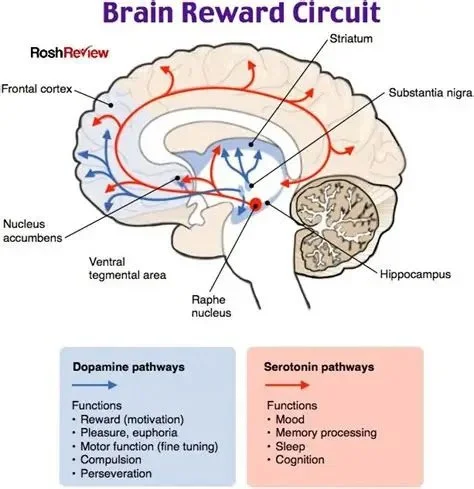
AUD disrupts dopamine pathways, leaving individuals with low motivation, anhedonia, and difficulty experiencing pleasure without alcohol. Saffron appears to support dopamine balance by:
Enhancing dopamine receptor sensitivity
Supporting natural dopamine release
Reducing the “reward deficiency” state common in early recovery
Explore dopamine regulation.
2. Serotonin Support
Saffron has been studied extensively for its antidepressant properties. Research suggests it may:
Increase serotonin availability
Reduce depressive symptoms
Improve emotional stability
This is particularly relevant for individuals with AUD, who often experience post‑acute withdrawal depression.
Explore serotonin effects.
3. Anti‑Craving Potential
Emerging studies indicate saffron may reduce cravings for substances by:
Modulating reward circuitry
Reducing compulsive behaviour patterns
Supporting impulse control
Explore craving reduction.
4. Neuroprotective and Anti‑Inflammatory Effects
Alcohol damages neural tissue and increases neuroinflammation. Saffron’s antioxidant properties may help:
Protect neurons
Reduce inflammation
Support neurogenesis
Explore neuroprotection.
2. The Proper Kind of Saffron to Use
Not all saffron is created equal. Quality matters.
1. True Saffron (Crocus sativus)
Only Crocus sativus is clinically studied. Avoid “bastard saffron” or turmeric‑based substitutes.
2. Standardized Extract
For therapeutic use, saffron should be taken as a standardized extract containing:
Crocin
Safranal
Crocetin
This ensures consistency and potency.
Explore saffron extract.
3. Reputable Sources
High‑quality saffron can be obtained from:
Reputable supplement companies
Persian or Spanish saffron suppliers
Health‑focused retailers
Look for third‑party testing, purity certification, and clear labeling of active compounds.
3. How Saffron Fits Into a Holistic Neuroplasticity‑Focused Recovery Plan
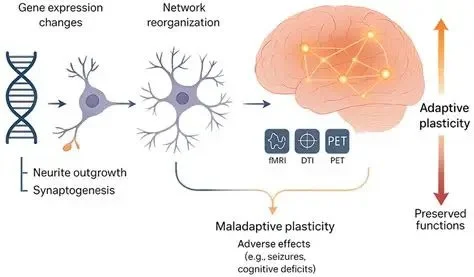
Saffron is not a cure for AUD. It is a supportive tool that works best when combined with a structured, holistic approach aimed at activating new neuropathways.
Alcohol rewires the brain toward:
Immediate reward
Emotional numbing
Compulsive behaviour
Avoidance of discomfort
Recovery requires rewiring the brain back toward meaning, purpose, and healthy reward.
Below are the core pillars.
1. Behavioural Activation
The brain must be re‑introduced to healthy dopamine sources:
Exercise
Learning new skills
Creative expression
Social connection
Purpose‑driven activities
Explore behavioural activation.
2. Mindfulness and Breathwork
Mindfulness strengthens the prefrontal cortex and reduces impulsivity. Breathwork interrupts craving cycles and stabilizes emotional responses.
Explore mindfulness.
3. Structured Routine
A predictable daily rhythm reduces stress, stabilizes dopamine, and supports emotional regulation.
4. Nutrition and Sleep
Saffron works best when combined with:
Stable blood sugar
Adequate protein
Consistent sleep hygiene
These factors directly influence neurotransmitter balance.
5. Therapy and Identity Reconstruction
AUD often leaves individuals disconnected from their values, identity, and sense of meaning. Therapy helps rebuild:
Emotional regulation
Self‑worth
Purpose
Healthy coping strategies
Explore identity work.
6. Joy Activation Practices
To restore joy and meaning, individuals must intentionally engage in activities that stimulate healthy reward pathways:
Nature exposure
Music
Learning
Community involvement
Acts of service
Explore joy activation.
4. Why Saffron Helps Restore Joy and Meaning
Saffron supports the emotional and neurological foundation required for joy to return:
It stabilizes mood.
It reduces anhedonia.
It supports dopamine and serotonin balance.
It reduces cravings that block engagement in meaningful activities.
It enhances neuroplasticity, allowing new habits to “stick.”
When combined with abstinence, structure, therapy, and purpose‑driven living, saffron becomes part of a broader strategy to rebuild a life that feels rich, connected, and meaningful.
Closing Perspective
Saffron is not a magic bullet, but it is a promising adjunct in AUD recovery. Its mood‑supporting, neuroprotective, and craving‑reducing properties make it a valuable tool when used responsibly and within a holistic treatment plan.